America vs. China: The Escalating Trade War and Its Global Implications
April 14, 2025
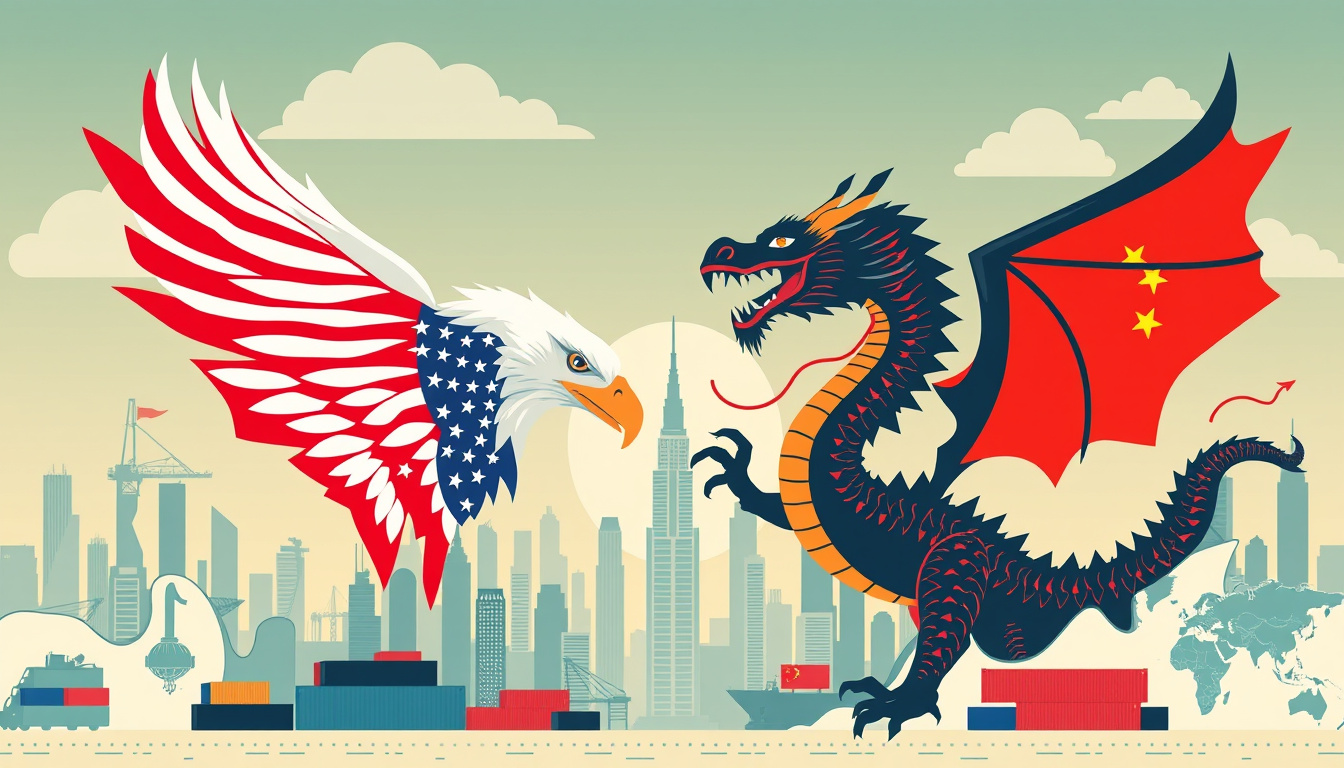
In recent years, the intensifying trade war between the United States and China has emerged as a pivotal issue not only for the two nations but also for the global economy.
As tariffs imposed by the Trump administration have soared to unprecedented heights—145% and counting—the stakes have never been higher.
The ongoing tensions have prompted policymakers and economists to closely scrutinize the ramifications of these trade disputes, which are rooted deep in broader geopolitical strategies.
In this article, we will delve into the current status of U.S.-China trade relations, analyze the global economic implications of these tariff battles, and explore the potential long-term consequences for both nations and their international partners.
Key Takeaways
- U.S. tariffs on China have escalated to historically high levels, impacting both economies significantly.
- China is diversifying its trade partnerships to mitigate the effects of U.S. tariffs, which may diminish American influence.
- The trade war reflects deeper geopolitical tensions that could lead to a shift in the global economic order.
Current Status of U.S.-China Trade Relations
The current status of U.S.-China trade relations is fraught with tension, largely stemming from the imposition of significant tariffs by the Trump administration, which have reached an astonishing 145% and are still climbing.
Pepe Escobar's analysis reveals that under these circumstances, China has no intention of engaging in meaningful negotiations with the U.S., as Chinese leaders assert that further U.S.
tariffs will be disregarded entirely; American goods hold diminishing value in the Chinese market.
Economic data underscores this dynamic: U.S.
imports account for only 4% of China's GDP, meaning the anticipated impact of tariffs might inflict a mere
0.5% hit to China's economic growth, contrasted with a potentially more damaging 2% downturn for the U.S.
In response to these tariffs, China is strategically pivoting its approach by diversifying supply chains and solidifying alliances with ASEAN nations and the European Union, as highlighted by President Xi Jinping's upcoming diplomatic endeavors.
Escobar critiques the advisors orchestrating these tariff strategies, characterizing their efforts as misguided and out of touch with the intricacies of the Chinese economy.
He argues that these tariffs symbolize a larger geopolitical clash aimed at curbing China's ascent while preserving U.S.
hegemony, potentially prompting corporations to shift their manufacturing bases away from China.
Furthermore, Escobar warns of the risks tied to U.S.
containment measures, including the alarming prospect of China divesting from U.S.
Treasuries, a move that could trigger severe repercussions for the American economy.
In conclusion, the analysis points to a looming shift from a cooperative global framework dominated by the U.S.
to an escalating competition among global powers such as China, Russia, and Iran, indicating that the ongoing trade war might only intensify.
Global Economic Implications of the Trade War
The consequences of the U.S.-China trade war extend beyond the immediate economic landscape; they pose critical questions about global economic stability and the very structure of international trade.
As China diversifies its supply chains and strengthens relationships with other powers, the impact is likely to ripple across various sectors worldwide.
For instance, countries within the ASEAN region and the EU may find themselves at the center of new trade networks, potentially benefiting from increased investment and collaboration as Chinese businesses seek alternatives to traditional American markets.
Moreover, as U.S.
tariffs limit American access to Chinese goods, U.S.
companies may experience disrupted supply chains, leading to higher production costs and price inflation for consumers.
These multifaceted dynamics suggest that the repercussions of this trade conflict are far-reaching, reshaping not only bilateral relations but also the global economic order for years to come.