Belarus Deploys Russia's Oreshnik Hypersonic Missile: What You Need to Know
January 1, 2026
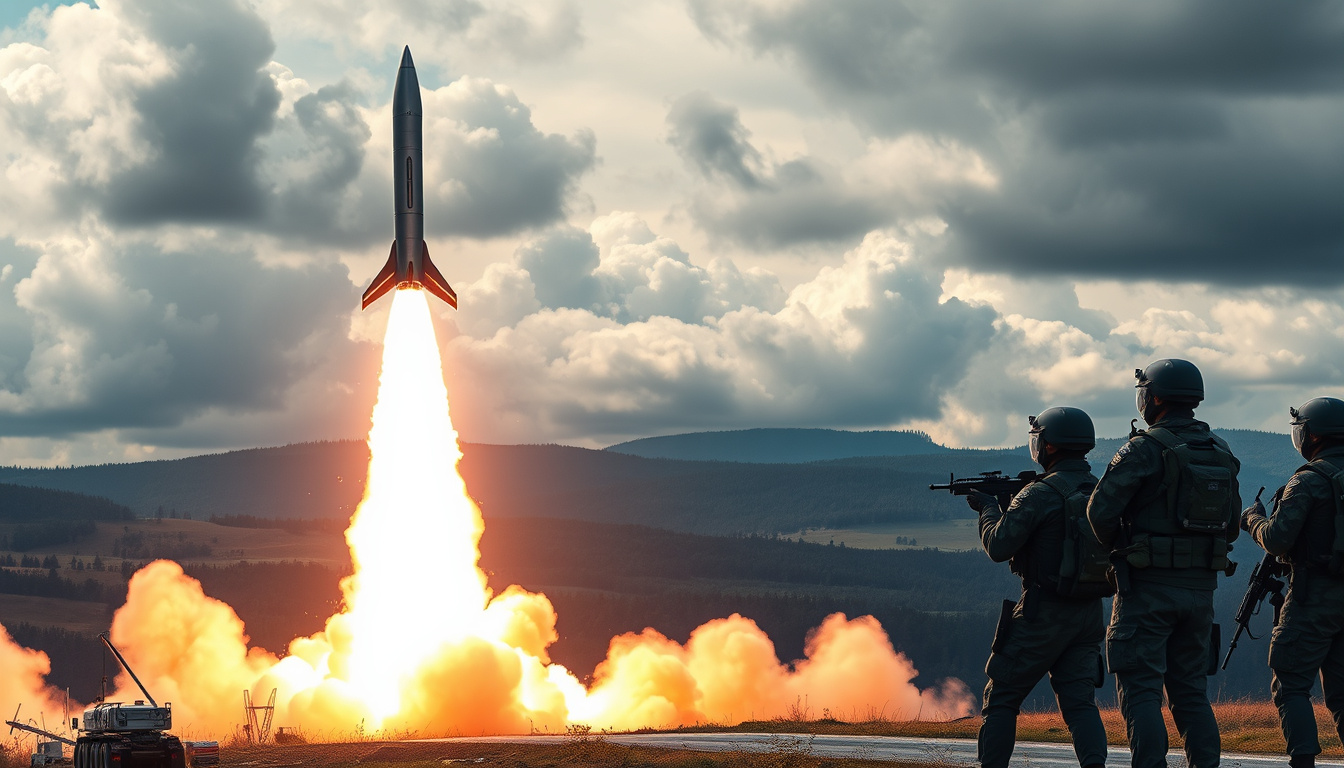
In recent developments on the geopolitical landscape, Belarus has officially deployed Russia's advanced Oreshnik hypersonic missile system.
This significant military advancement raises many questions about its specifications, range, and the broader implications for regional and global security.
The Belarusian Ministry of Defense has released a video emphasizing the deployment, which included a ceremonial flag-raising event alongside Russian military personnel.
Despite the display, specific details about the missile's capabilities remain classified, leading to an intriguing mix of anticipation and uncertainty surrounding this powerful weapon.
This article will delve into the Oreshnik missile system, its strategic benefits, and the potential ramifications of its deployment in Belarus.
Key Takeaways
- Belarus has officially deployed Russia's Oreshnik hypersonic missile system, enhancing its military capabilities.
- Details regarding the missile's specifications and operational locations remain largely classified or unclear.
- The deployment marks a strategic alliance between Belarus and Russia, showcasing advancements in military technology that exceed Western capabilities.
Overview of the Oreshnik Hypersonic Missile System
The deployment of Russia's Oreshnik hypersonic missile system in Belarus marks a significant milestone in the region's military landscape, highlighting the intricacies of modern warfare and international relations.
Officially entering combat duty, as asserted by a senior military officer, the Oreshnik system showcases impressive capabilities, allegedly able to execute low-yield nuclear strikes with remarkable speed and precision.
Although specific details about its specifications and range remain classified, analysts recognize its ability to maneuver effectively, enabling it to target multiple sites simultaneously—traits that set it apart from the current arsenals of Western militaries.
The recent display of the missile system included a flag-raising ceremony, underscoring the strategic partnership between Belarus and Russia.
Satellite imagery has confirmed its presence, although uncertainties linger regarding the exact deployment location, as observed in a video that focused mainly on support vehicles rather than the launch apparatus itself.
Plans indicate that up to ten Oreshnik systems will be operational in Belarus, part of a broader military cooperation agreement forged between Minsk and Moscow.
While this development poses potential challenges for regional security, it also integrates into Russia's ambitious military strategy, alongside other advancements like the Burevestnik nuclear cruise missile and Poseidon nuclear torpedo, all set to redefine warfare capabilities by
2025.
Strategic Implications of Belarusian Deployment
The strategic implications of Belarus deploying Russia's Oreshnik hypersonic missile system cannot be overstated.
This development not only alters the military dynamics within Eastern Europe but also illustrates the increasing collaboration between Belarus and Russia against the backdrop of heightened tensions with Western allies.
The Oreshnik system, characterized by its nuclear-capable capabilities and hypersonic technology, is designed to evade modern defense systems, presenting a significant challenge to NATO and other military entities.
As regional experts analyze the potential ramifications, they note that the missile's deployment serves as a deterrent, signaling both power and a willingness to engage in high-stakes conflict.
In this context, the enhanced military capabilities of Belarus could influence neighboring countries' defense policies, prompting a reevaluation of their strategic postures and alliances.
The fact that Belarus already hosts tactical nuclear weapons further complicates the security landscape, creating a scenario that demands careful diplomatic navigation to prevent escalation.