Belarus-Russia Military Drills: Tensions Rise as Lukashenko Offers Talks with Zelensky
May 23, 2026
The ongoing military activities involving Belarus and Russia have raised significant concerns among neighboring countries, particularly Ukraine.
Recently, Belarus hosted multi-day military drills that concentrated on rehearsing the deployment of tactical and strategic nuclear weapons.
This display, overseen by Belarusian President Alexander Lukashenko and Russian President Vladimir Putin, was not merely a routine exercise; it was a demonstration of military power intended to send a clear message to the West and Ukraine.
In the wake of these drills, the rhetoric surrounding Belarus's intentions has intensified, with Lukashenko asserting that Belarus is not a threat while simultaneously declaring the country's readiness to defend its territory.
Ukrainian President Volodymyr Zelensky has been quick to respond, highlighting the potential ramifications if Belarus deepens its involvement in the ongoing conflict, specifically referencing the pivotal role Belarus played as a launch point for Russian attacks during the early stages of the war in
2022.
Complicating this military backdrop, Lukashenko has extended an unexpected offer to engage in dialogue with Zelensky, proposing a meeting at any location convenient for either party.
However, this proposal has been met with skepticism from Ukrainian officials, who view it as hollow, reflecting long-standing distrust stemming from Belarus's role in supporting Russia's aggressive actions in Ukraine.
As tensions mount, this article delves into the implications of these military exercises, the responses from Ukrainian leadership, and the broader geopolitical dynamics at play.
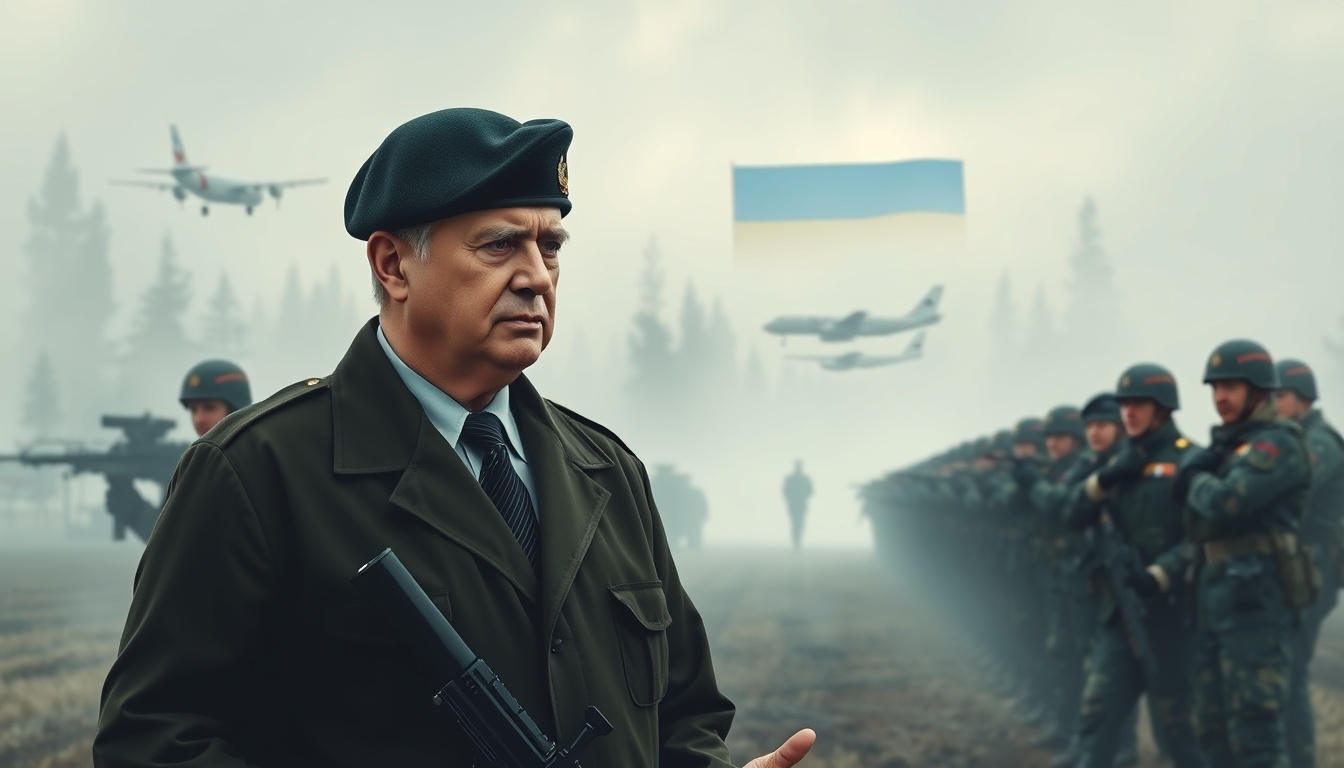
Key Takeaways
- Belarus recently hosted extensive military drills alongside Russia, highlighting military readiness amidst regional tensions.
- Ukrainian President Zelensky cautioned Belarus against further military involvement, referencing past aggressions.
- Despite tensions, Lukashenko proposed talks with Zelensky, which were promptly met with skepticism from Ukrainian officials.
Overview of Belarus-Russia Military Drills
In recent weeks, Belarus has captured international attention following the hosting of extensive military drills with Russia aimed at rehearsing the use of tactical and strategic nuclear weapons.
Overseen by Presidents Alexander Lukashenko and Vladimir Putin, these multi-day exercises not only served as a demonstration of military capability but also sparked concerns regarding the implications for regional security.
President Lukashenko asserted that Belarus poses no threat to its neighbors while simultaneously underscoring the nation's commitment to defending its sovereignty.
This declaration comes on the heels of heightened tensions with Ukraine, particularly as Ukrainian President Volodymyr Zelensky responded with warnings of repercussions should Belarus deepen its military involvement in Russia's ongoing actions against Ukraine.
This concern is particularly acute given Belarus's role in facilitating Russian incursions at the onset of the conflict in
2022.
In an unexpected gesture, Lukashenko has extended an invitation to Zelensky for a meeting to discuss bilateral relations, a proposal that was quickly met with skepticism from Zelensky's advisor, highlighting a deep-seated mistrust rooted in the events since the war began.
The article vividly illustrates the complex interplay of military readiness and diplomatic overtures, painting a picture of the precarious state of affairs in Eastern Europe amidst the backdrop of continued hostilities.
Reactions from Ukraine and the Offer for Dialogue
The situation between Belarus and Ukraine continues to evolve, underlining the fraught relationships and historical context influencing their interaction.
In light of Belarus’s military maneuvers, which are seen as a provocation by Ukraine, the potential for dialogue raises questions about the willingness of both nations to reconcile differences.
While Lukashenko publicly emphasizes a commitment to peace, his government's actions, including the recent military exercises, suggest a more aggressive posture.
Ukrainian officials remain wary, recalling the past incidents that resulted in significant military consequences.
Furthermore, Zelensky's firm stance against any form of Belarus's increased military involvement highlights Ukraine's sober assessment of the threat landscape.
The proposed meeting, while seemingly a step towards dialogue, is met with skepticism, indicating that any potential peace talks are fraught with distrust and the shadow of previous betrayals.
This context makes it clear that while diplomatic channels may be opened, the path to lasting peace remains complicated by both nations' histories and recent military escalations.