Black Friday and Cyber Monday 2023: Surprising Consumer Spending Trends Amid Economic Challenges
December 1, 2025
As the holiday shopping season kicks off, Black Friday and Cyber Monday remain pivotal days for retail sales across the globe.
In 2023, consumer spending during these events has defied earlier forecasts amid economic uncertainty, shedding light on surprising trends that could shape the landscape of retail.
Early data from established financial institutions, such as Goldman Sachs and UBS, point to a surprisingly robust consumer turnout, despite rising inflation and shifting spending habits.
This article delves into the current trends, exploring both the positive and concerning aspects of shopping behavior during this crucial period.
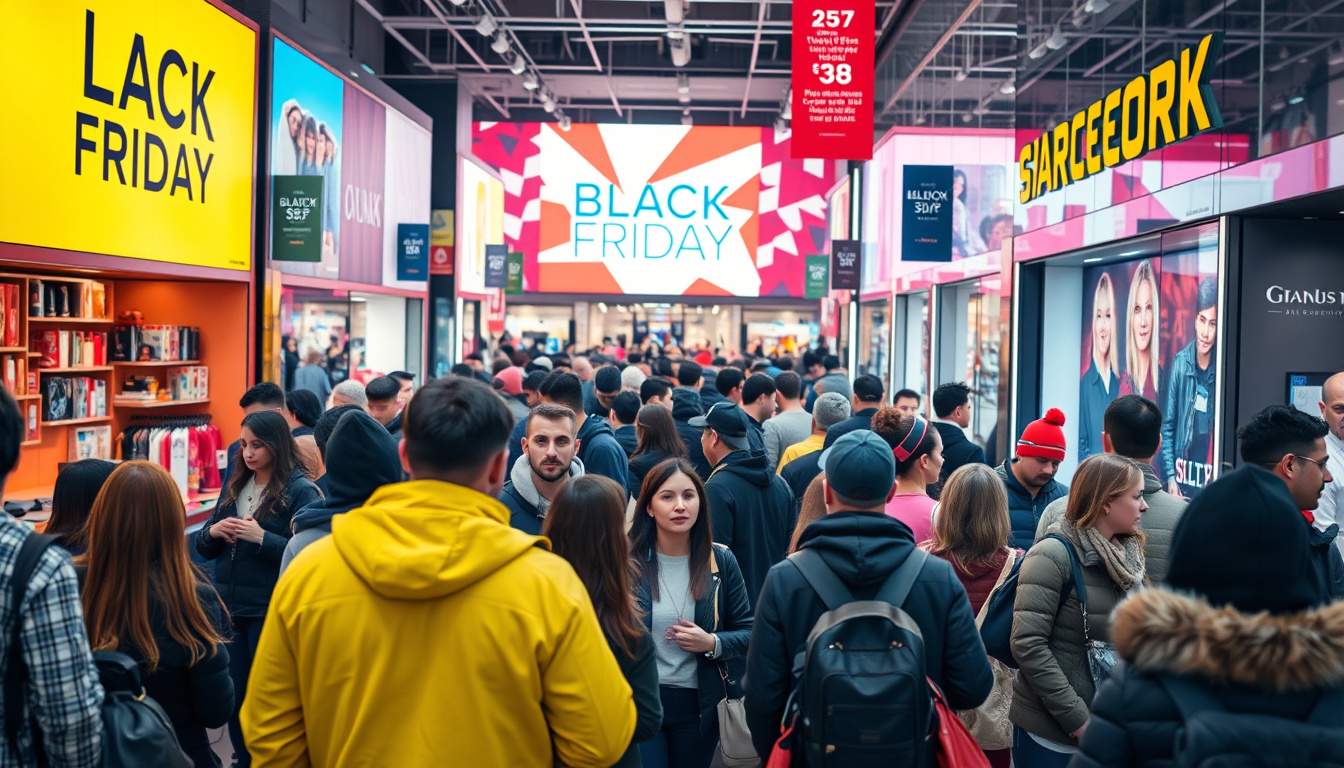
Key Takeaways
- Consumer spending during Black Friday and Cyber Monday 2023 exceeded expectations despite economic challenges.
- Online shopping saw significant growth, with a
10.4% increase in sales compared to the previous year. - The gap in spending habits between lower-income and higher-income shoppers continues to widen as inflation impacts consumer behavior.
Consumer Behavior Trends During Black Friday and Cyber Monday
As we delve into the consumer behavior trends during Black Friday and Cyber Monday, the initial turnout appears promising, marking a significant rebound in retail spending despite earlier concerns.
Early data emerging from major financial institutions, including Goldman Sachs and UBS, indicates a better-than-expected consumer response, with a notable year-over-year rise in retail sales.
Specifically, Goldman Sachs reported a
4.1% increase in U.S.
retail sales, excluding automobiles, which eclipses last year's growth of
3.4%.
This uptick can be attributed to a diverse range of factors, including a
1.7% increase in in-store sales and a remarkable
10.4% spike in online shopping activity, as confirmed by Adobe Analytics.
Their data further reveals that online sales enjoyed a
9.1% growth compared to the previous year, culminating in a staggering global online spending total of $79 billion as noted by Salesforce.
However, while store traffic showed slight improvements in some traditional shopping locations, there was a noticeable trend where online shopping continued to dominate.
Analysts at Goldman Sachs have pointed out a particularly strong interest in purchasing apparel and jewelry, hinting at a positive start to the holiday shopping season.
UBS corroborated this affirmation of sustained demand but advised caution, urging retailers not to rush into optimistic conclusions about the holiday season, as consumer spending patterns can evolve post-Cyber Monday.
One of the pivotal elements influencing consumer behavior this year includes the effects of rising inflation, compelling shoppers to prioritize essentials while intensely searching for discounts.
This shift seems to favor discount retailers who adeptly cater to budget-conscious consumers.
Furthermore, the increasing adoption of artificial intelligence in retail establishments is emerging as a significant trend that promises to further redefine shopping behaviors.
Ultimately, the disparities between lower and higher-income shoppers highlight mixed economic indicators, suggesting varying degrees of confidence and spending capabilities across consumer demographics.
As we continue to monitor these trends, they reflect a complex landscape of retail dynamics poised for development in the coming weeks.
Impact of Economic Factors on Retail Spending Patterns
The mixed results in store traffic reflect a broader evolution in consumer shopping habits, with many opting for the convenience of online purchases over traditional in-store experiences.
Despite this trend, certain brick-and-mortar retailers reported traffic increases, particularly in popular shopping districts and during promo events, suggesting that there remains a desire for in-person shopping experiences among some demographics.
This duality in shopper preferences highlights an opportunity for retailers to adapt their strategies, blending online convenience with engaging in-store experiences.
Moreover, the rise of experiential retail, where consumers are offered immersive shopping environments, could further bridge the gap between online and in-store sales.
Retailers are encouraged to enhance their digital platforms to accommodate changing consumer preferences while simultaneously revitalizing physical stores to remain competitive in a rapidly evolving market.