Chicago Teacher's 'Go ICE' Post Sparks Outrage: Community Demands Accountability and Safety in Schools
January 28, 2026
The recent fallout from a Facebook post made by a physical education teacher in the Chicago area has ignited significant controversy and public outcry.
The post, which simply stated 'Go ICE,' expressed support for Immigration and Customs Enforcement, leading to the teacher's administrative leave and possible termination.
This incident raises pressing questions about the role of educators in fostering inclusive environments, the potential repercussions for personal beliefs in public service roles, and the delicate balancing act between free speech and professional conduct within schools.
As community leaders vehemently demand accountability, the implications of this case resonate far beyond the local district, illuminating broader societal tensions surrounding immigration and education.
Key Takeaways
- The Chicago teacher's support for ICE has ignited widespread outrage and calls for accountability from the community.
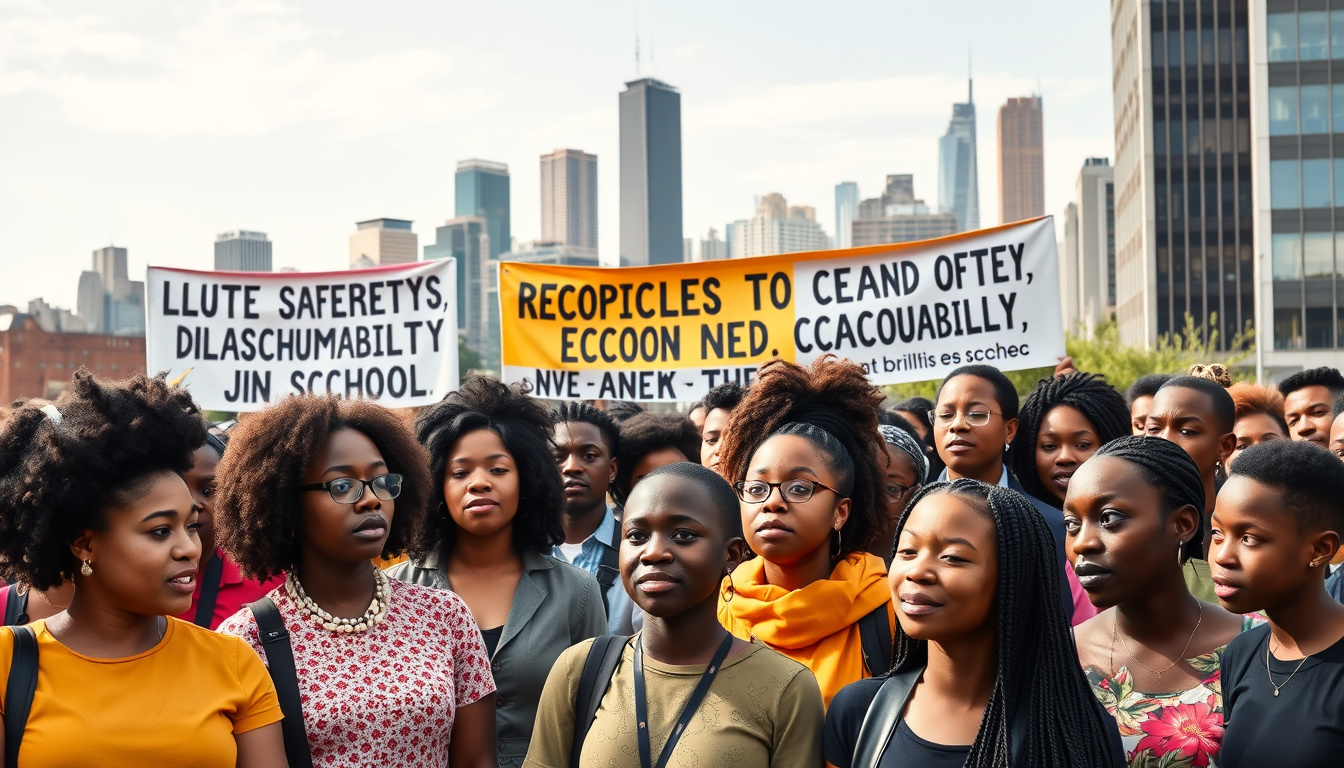
- Local leaders emphasize the necessity for a safe learning environment free from political bias in schools.
- The incident raises significant questions about the balance between free speech rights and the responsibilities of educators.
Community Response and Outrage
The recent incident involving a Chicago-area physical education teacher has ignited a wave of community response and outrage, underscoring the complexities of free speech within educational environments.
The teacher, who posted 'Go ICE' on Facebook, finds himself on administrative leave and is facing potential termination.
Local leaders and advocacy groups have swiftly condemned his actions, arguing that support for Immigration and Customs Enforcement (ICE) is both 'inappropriate and unsuitable for an educator.' This backlash has been amplified across social media platforms, where many have voiced their anger and disapproval of the teacher’s stance.
Notably, Democratic leaders, including state representative Karina Villa, have publicly supported the call for the teacher's firing, emphasizing the importance of maintaining a safe and welcoming atmosphere for all students.
Initially, the teacher attempted to resign but withdrew his resignation before any formal action could be taken by the school board.
School officials, including Superintendent Kristina Davis, have expressed concern about the potential negative impact of the teacher's statement on students' emotional welfare, prompting an investigation into the situation.
In a proactive move, Mayor Daniel Bovey and the West Chicago city council have organized a listening session to address community concerns and reassure families regarding safety in schools.
This incident has not only highlighted the contentious atmosphere surrounding the Chicago Teachers' Union but also raised critical questions about the balance between free speech rights and the responsibilities of educators to create a conducive learning environment.
Implications for Free Speech in Education
As the investigation continues, the implications for free speech in educational settings grow increasingly complex.
This situation presents a challenging intersection between individual rights and professional responsibilities.
Advocates for free speech argue that teachers, like all citizens, should have the right to express their opinions, especially in a democratic society.
However, detractors contend that educators hold a unique position in shaping students’ understanding of safety and inclusivity, making it crucial that their public statements align with the values of respect and tolerance.
The outcry from community leaders and parents illustrates a fear that attitudes toward immigration and law enforcement can influence the classroom environment, potentially deterring students from voicing their own perspectives.
As educational institutions grapple with these highly sensitive issues, this case serves as a pivotal example of the ongoing debate regarding the balance between safeguarding free expression and protecting vulnerable populations within schools.
Furthermore, it raises essential discussions about how schools should navigate political issues without compromising their commitment to creating supportive learning environments.