China's Robotaxi Revolution: 500,000 Autonomous Rides by 2030!
May 8, 2025
China is at the forefront of autonomous vehicle technology, particularly in the development and deployment of robotaxis.
By 2030, the country is projected to have half a million autonomous robotaxis operating across ten major cities, marking a significant shift in the transportation landscape.
This article explores the rapid growth of China's robotaxi market, the driving forces behind it, and the challenges and opportunities that lie ahead.
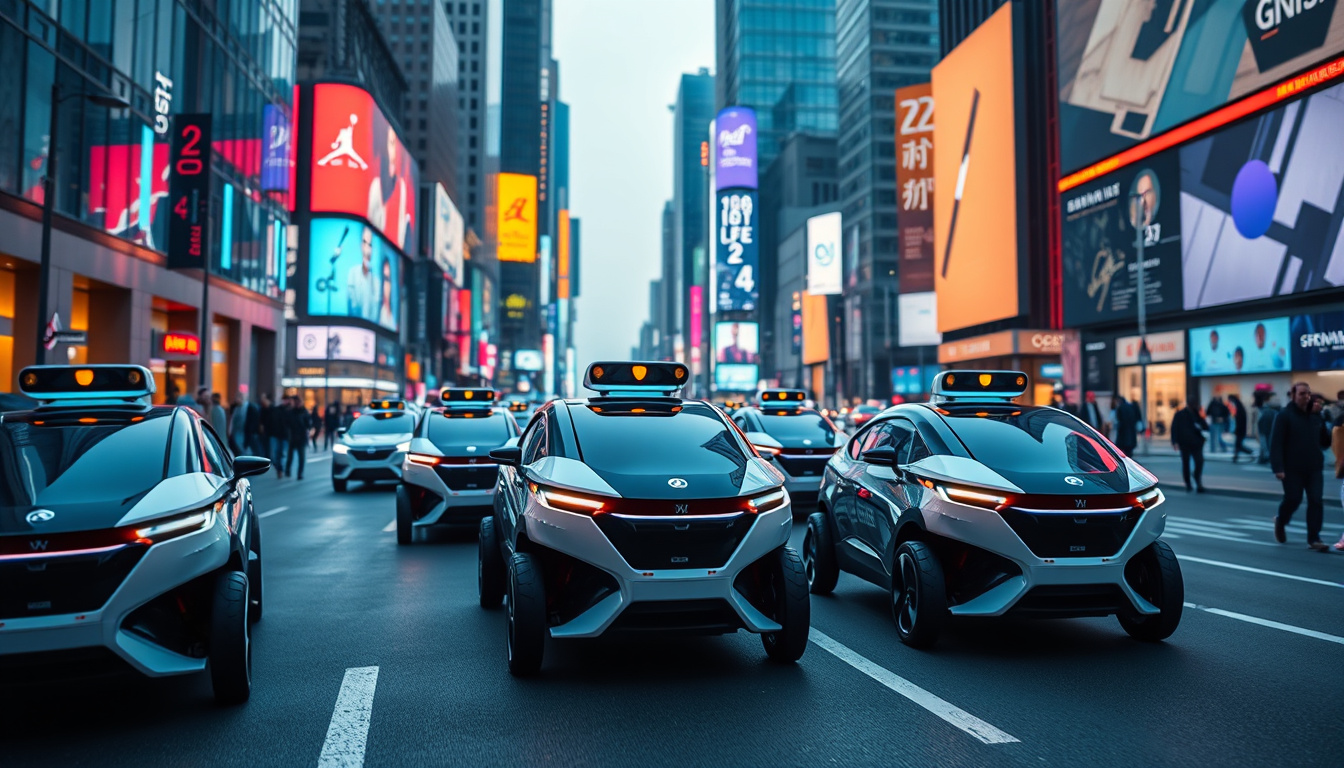
Key Takeaways
- China's robotaxi market is projected to grow to 500,000 autonomous vehicles by 2030, significantly outpacing other countries.
- The total addressable market for robotaxis in China is expected to reach $47 billion by 2035, driven by increased consumer acceptance and support from the government.
- Early movers in the sector, such as Pony.ai and Baidu Apollo, are well-positioned to capitalize on the growth of autonomous mobility in major cities.
The Rapid Growth of China's Robotaxi Market
In recent years, China's robotaxi market has emerged as a beacon of innovation, showcasing rapid advancements in autonomous vehicle technology.
As we approach 2030, projections indicate that over 500,000 robotaxis will be traversing the streets of ten major Chinese cities, including Beijing, Shanghai, and Guangzhou, according to a recent report by Goldman Sachs.
This explosive growth is driven by several factors, which include heightened consumer acceptance, a diminishing pool of traditional drivers, and supportive government and insurance frameworks that facilitate the integration of autonomous vehicles into everyday life.
It is estimated that the total addressable market for robotaxis could balloon to a staggering $47 billion by 2035, providing ample opportunities for investors and companies involved in this burgeoning sector.
Key players in this space, such as Pony.ai, WeRide, and Baidu Apollo, are strategically positioned to leverage this trend, propelling China ahead of other nations, notably the United States, where regulatory hurdles and public sentiment slow the rollout of similar technologies.
As robotaxis become a fixture of urban mobility, the economic implications are profound, with the sector expected to grow from approximately $54 million today to $12 billion by 2030, fundamentally reshaping transportation and potentially displacing millions of jobs globally.
The burgeoning robotaxi market in China encapsulates a significant leap towards an automated future, highlighting the need for competitive strategies in technology and supply chain management on a global scale.
Challenges and Opportunities Ahead
The impending launch of 500,000 robotaxis on China’s streets by 2030 heralds a groundbreaking shift in urban mobility and presents both challenges and opportunities for stakeholders within the industry.
Goldman's analysts anticipate this extensive rollout will primarily occur across ten major cities, marking a significant step towards the commercialization of autonomous vehicle technology.
As pioneers in the field, companies like Pony.ai, WeRide, and Baidu Apollo stand to capitalize on the burgeoning market, with the total addressable market potentially reaching as high as $47 billion by
2035.
While the rapid expansion of robotaxi operations offers lucrative investment prospects, it also raises essential questions about workforce displacement, regulatory frameworks, and infrastructure preparedness—concerns that are particularly pronounced in the U.S.
where progress has been comparatively slow.
As we move into this new era of transportation, the implications of automation will likely reverberate through societies across the globe, necessitating strategic planning and adaptation among operators, regulators, and consumers alike.