Congress Cuts Ties: China Daily No Longer Distributed in U.S. Congressional Offices Amid Propaganda Concerns
March 15, 2025
On March 13, 2025, a pivotal shift occurred in the landscape of U.S.
Congressional communication as the Beijing-controlled newspaper, China Daily, was officially removed from distribution in congressional offices.
Spearheaded by Representatives Bryan Steil (R-Wis.) and John Moolenaar (R-Mich.), this decision comes amidst escalating concerns regarding the Chinese Communist Party's (CCP) use of the publication as a vehicle for propaganda.
This move has reignited discussions surrounding foreign influence in American politics and the integrity of media consumed within governmental chambers.
With China Daily being a registered foreign agent since 1983, the ongoing debate over its presence underscores the complexities of addressing state-sponsored narratives in U.S.
institutions.
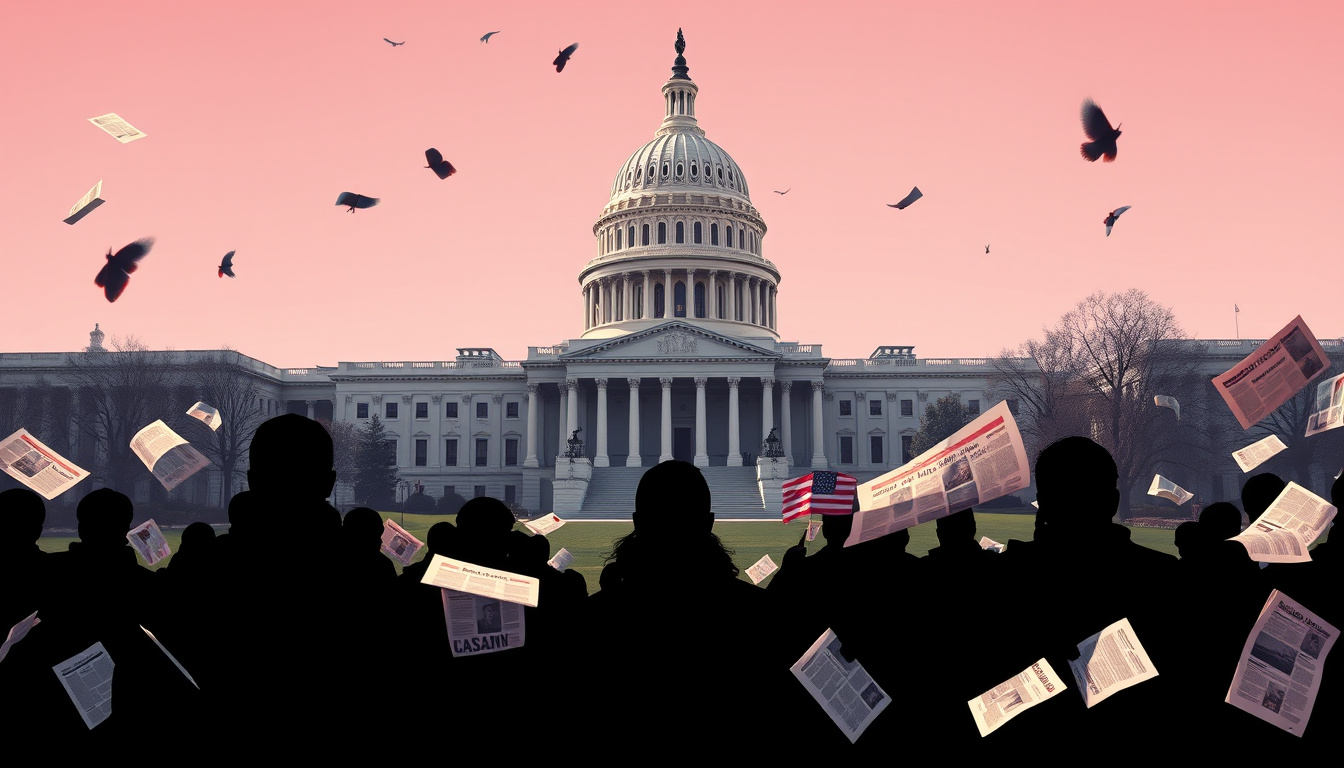
Key Takeaways
- China Daily, a CCP-controlled newspaper, will no longer be distributed in U.S. Congressional offices due to propaganda concerns.
- Lawmakers cite the risk of undermining U.S. integrity as a key reason for discontinuing the publication's distribution.
- The newspaper has a history of financially influencing major U.S. media outlets to promote favorable narratives about China.
Background on China Daily's Influence in the U.S.
China Daily, the state-run English-language newspaper of the People’s Republic of China, has long been a vehicle for the Chinese government to communicate its views and policies, particularly in the United States.
As of March 13, 2025, significant changes have unfolded regarding its distribution in U.S.
Congressional offices.
This decision, spearheaded by Representatives Bryan Steil (R-Wis.) and John Moolenaar (R-Mich.), stems from escalating concerns about the Chinese Communist Party's (CCP) attempts to leverage American legislative environments for propaganda purposes.
The termination of China Daily's circulation in Capitol Hill reflects a growing sentiment among U.S.
lawmakers, particularly since the newspaper has been a registered foreign agent since
1983.
This move is not an isolated incident; rather, it aligns with calls dating back to 2020 to halt the distribution of CCP-affiliated media within government facilities.
Freshman Representative Abe Hamadeh (R-Ariz.) has emerged as a vocal proponent of this initiative, arguing that allowing China Daily to circulate in Congress compromises the integrity of U.S.
governance.
Notably, the China Daily Distribution Corporation has amassed substantial funding from its headquarters in Beijing, amounting to over $78 million from 2016 to 2024, indicating a concerted effort to shape narratives favorable to the Chinese regime within the U.S.
media landscape.
Congressional Response to Propaganda Concerns
This decisive action marks a pivotal moment in the ongoing struggle against foreign influence within American government institutions.
The decision to sever ties with China Daily was not made lightly, as it reflects a broader concern among U.S.
lawmakers about the integrity of information circulating in Congress.
Representatives Steil and Moolenaar's initiative underscores a growing awareness and resistance to the manipulation of public opinion by foreign entities, particularly the CCP.
With increasing scrutiny on how foreign-funded narratives can distort political discourse, the call for transparency and accountability becomes paramount.
The push from figures like Rep.
Hamadeh highlights the rising urgency for Congress to take a stand against foreign propaganda, ensuring that the legislative body remains a space for unbiased, homegrown American values and perspectives.
This move could signal the beginning of a larger trend to reassess the presence of similar foreign media within government circles, advocating for a more informed and secure legislative environment.