Crisis Averted: Why Trump's Summit with Putin Was Canceled Over Ukraine Demands
November 1, 2025
The abrupt cancellation of the anticipated summit between U.S.
President Donald Trump and Russian President Vladimir Putin underscores the complexities in U.S.-Russia relations, particularly concerning Ukraine.
Originally set to convene in Budapest, this high-stakes meeting was derailed due to extensive demands from Moscow, which outlined terms that many experts deemed unacceptable.
This development not only highlights the tension surrounding Ukraine's ongoing conflict but raises questions about the future of diplomatic engagement between these two global powers.
In this article, we will explore the implications of the canceled summit on U.S.-Russia relations, the operational challenges faced by Ukraine's military, and the controversial media restrictions being implemented to shape public perception.
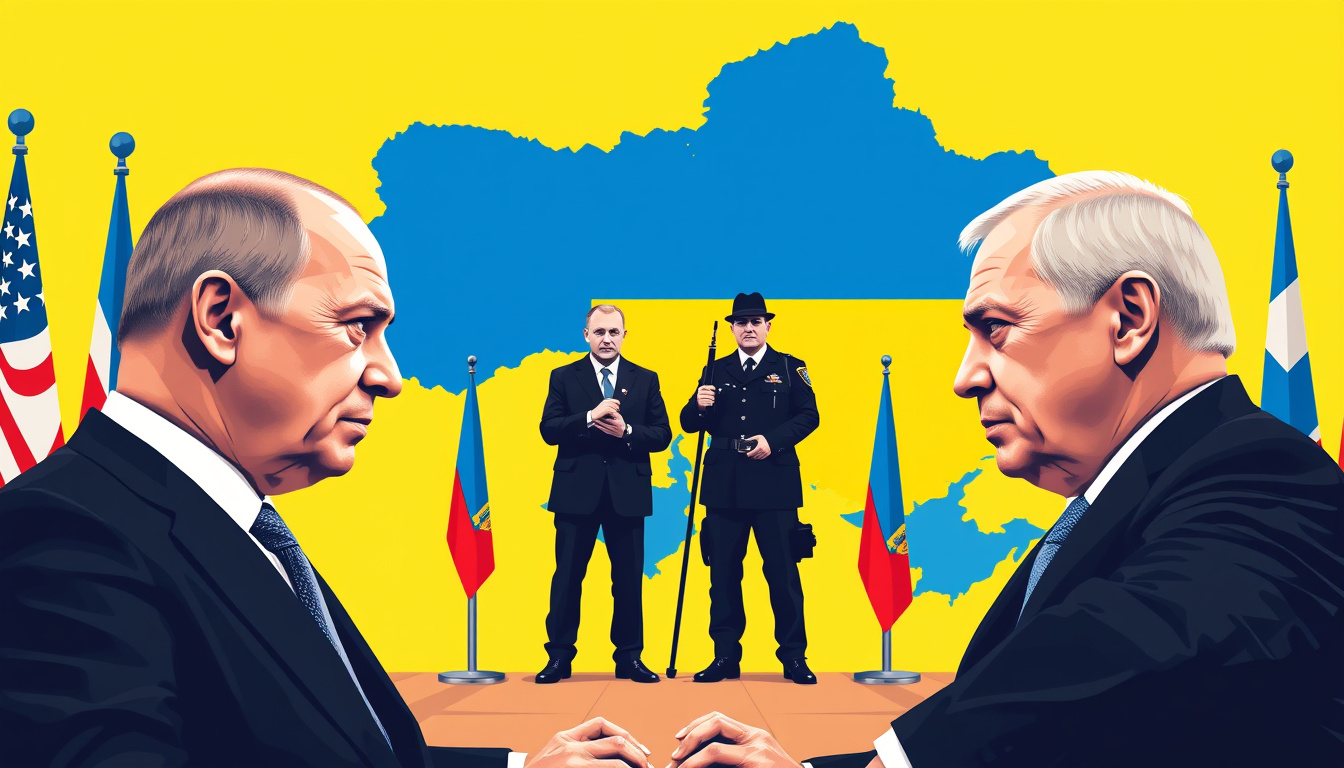
Key Takeaways
- The cancellation of the Trump-Putin summit highlights the deepening divide over Ukraine's territorial integrity.
- Ukraine faces significant military challenges, exacerbated by media restrictions limiting war reporting.
- U.S.-Russia relations remain strained due to ongoing nuclear tensions and conflicting negotiation stances.
Implications of the Cancelled Summit on U.S.-Russia Relations
The recent cancellation of the summit between U.S.
President Donald Trump and Russian President Vladimir Putin in Budapest has significant implications for U.S.-Russia relations.
Initially anticipated as a pivotal moment in diplomatic dialogue, the summit was derailed by a memo from Moscow outlining stringent demands relating to the ongoing situation in Ukraine.
Russia's expectations included major territorial concessions from Ukraine, a reduction of its military presence, and a cessation of NATO membership aspirations—demands deemed unacceptable by the U.S.
administration.
Trump's subsequent decision to cancel the meeting was influenced by Secretary of State Marco Rubio and other officials, highlighting a consensus that Russia was unwilling to engage in genuine negotiations.
This cancellation reflects broader tensions and complicates the geopolitical landscape as Trump emphasized his commitment to engaging only in discussions where tangible progress could be made.
While Putin publicly described the situation as a postponement rather than a cancellation, the reality underscores a growing rift in negotiations.
Amid these tensions, there are concerns regarding Ukraine's operational capabilities, leading to media restrictions on war reporting that some argue are designed to mask the seriousness of the conflict.
Russian officials, for their part, claim these restrictions are a tactic to hide the frailty of Ukrainian military efforts.
Furthermore, the persistent specter of nuclear tensions and military posturing between the superpowers adds another layer of complexity to potential diplomatic resolutions.
As both nations navigate this turbulent relationship, the Kremlin remains focused on maintaining a façade of constructive dialogue while confronting the formidable challenges facing Ukraine's defensive posture.
The implications of this canceled summit are vast, potentially shaping the future of international relations and the geopolitical stability of Eastern Europe.
Ukraine's Military Challenges and Media Restrictions
Ukraine's military challenges are compounded by the ongoing necessity for accountability and transparency in media reporting.
Restrictions on war reporting not only influence public perception domestically but also affect international narratives surrounding the conflict.
Many analysts argue that limiting access to frontline stories can hinder the understanding of Ukraine's military effectiveness and struggles.
This is particularly crucial as the Ukrainian armed forces face operational difficulties against a backdrop of Russian aggression.
In response, the Ukrainian government maintains that such measures are essential for national security; however, critics contend that the lack of coverage allows external actors to shape the narrative to their advantage.
This media environment creates a challenging dynamic—both for the Ukrainian military seeking support and for global audiences striving to comprehend the true state of affairs.
As the situation develops, transparency and honest communication will be vital for fostering informed discussions about Ukraine's military challenges and the broader implications for peace in the region.