Escalating Tensions: How Trump's Tariffs and Xi's Retaliation Shape the US-China Trade War
October 24, 2025
The US-China trade war has emerged as one of the most significant economic confrontations of the 21st century.
Under the leadership of President Donald Trump and President Xi Jinping, this conflict has reshaped global trade dynamics, impacting economies worldwide.
Initiated by a series of aggressive tariff measures and retaliatory actions, the trade war reflects deeper issues concerning trade imbalances, intellectual property theft, and geopolitical rivalry.
In this article, we will delve into the key developments that have defined this tumultuous period, exploring how escalating tensions continue to shape the economic landscape.
From the imposition of tariffs to the retaliatory measures taken by both nations, we’ll provide a comprehensive overview of the key points that define this ongoing trade saga.
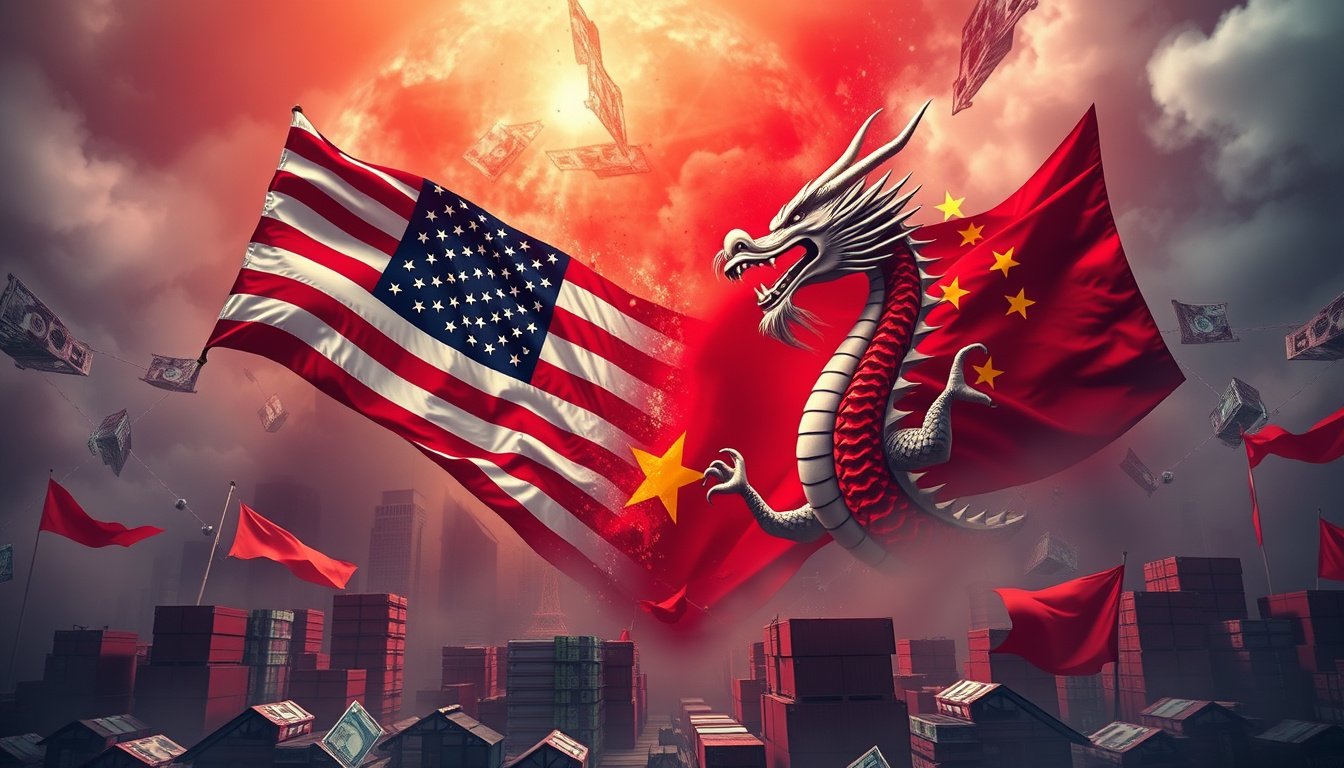
Key Takeaways
- Trump's aggressive tariff strategy led to significant retaliatory measures from China, escalating trade tensions.
- Temporary truces in negotiations often dissolved due to competing trade developments, maintaining a cycle of conflict.
- The lack of trust between the US and China complicates future negotiations, contributing to ongoing market uncertainty.
The Trade War Timeline: Key Events and Developments
The Trade War Timeline: Key Events and Developments The ongoing trade war between the United States and China, spearheaded by President Donald Trump and President Xi Jinping, has created a complex landscape of economic tensions.
This article outlines the key events and major developments in this escalating conflict, which has profound implications for global trade.
Initially, between February and April 2025, President Trump enacted a significant increase in tariffs, starting with a 10% levy on all Chinese imports.
This was quickly escalated to an astounding 145% by April.
In retaliation, China implemented its own tariffs, imposing 125% on various U.S.
products, with a particular focus on agricultural exports.
The swift escalation of these tariffs stirred fears of a recession, heavily impacting global markets and investor confidence.
By May 2025, a temporary truce was declared, leading to reduced tariffs and a cooperative 90-day timeline to resolve outstanding trade issues.
However, despite this period of relative calm, further tensions emerged, including U.S.
restrictions on certain Chinese firms and the introduction of export controls on American technology, straining relations once again.
As the situation intensified, China announced it would impose export controls on rare earth elements—critical components for modern technology and defense systems.
This dramatic move illustrated China's willingness to leverage its resources as a strategic bargaining chip.
In response, President Trump threatened to impose additional tariffs and fees on Chinese shipping practices, ramping up the rhetoric between the two nations.
Moving forward, the article highlights a distinct shift in dialogue from negotiation to confrontation.
Accusations and defenses have become the norm, showcasing both nations' reluctance to cede ground and the rising complexity of their relationship.
As both leaders gear up for discussions at the upcoming APEC summit, the inherent distrust and history of conflict signal that an immediate resolution may remain elusive.
Trump’s unpredictable approach continues to add layers of uncertainty, influencing market volatility.
In summary, the trade war is shaped by strategic economic maneuvers intertwined with personal diplomacy.
It reflects not only a clash of economic interests but also reveals underlying tensions that could define U.S.-China relations for years to come.
Consequences and Future Implications of the US-China Trade War
The implications of the escalating US-China trade war extend far beyond immediate economic impacts, as they shape global geopolitics and influence international trade policies.
Businesses in both nations are grappling with the repercussions of tariffs, facing increased costs and uncertainties that are shifting their supply chains and operations.
Moreover, countries that rely heavily on trade with the US and China are caught in the crossfire, experiencing disruptions that may lead to a reevaluation of their own economic strategies.
In the long term, the trade conflict risks fostering a bifurcation in the global economy, as nations may align more closely with either the US or China based on trade agreements and diplomatic relations.
As the landscape continues to evolve, stakeholders must closely monitor developments to navigate the complexities of the changing economic order.