European Housing Crisis: How Soaring Prices are Straining Incomes and Sparking Protests
September 22, 2025
As the cost of living continues to surge across Europe, the continent finds itself grappling with a burgeoning housing crisis that threatens the financial stability of countless residents.
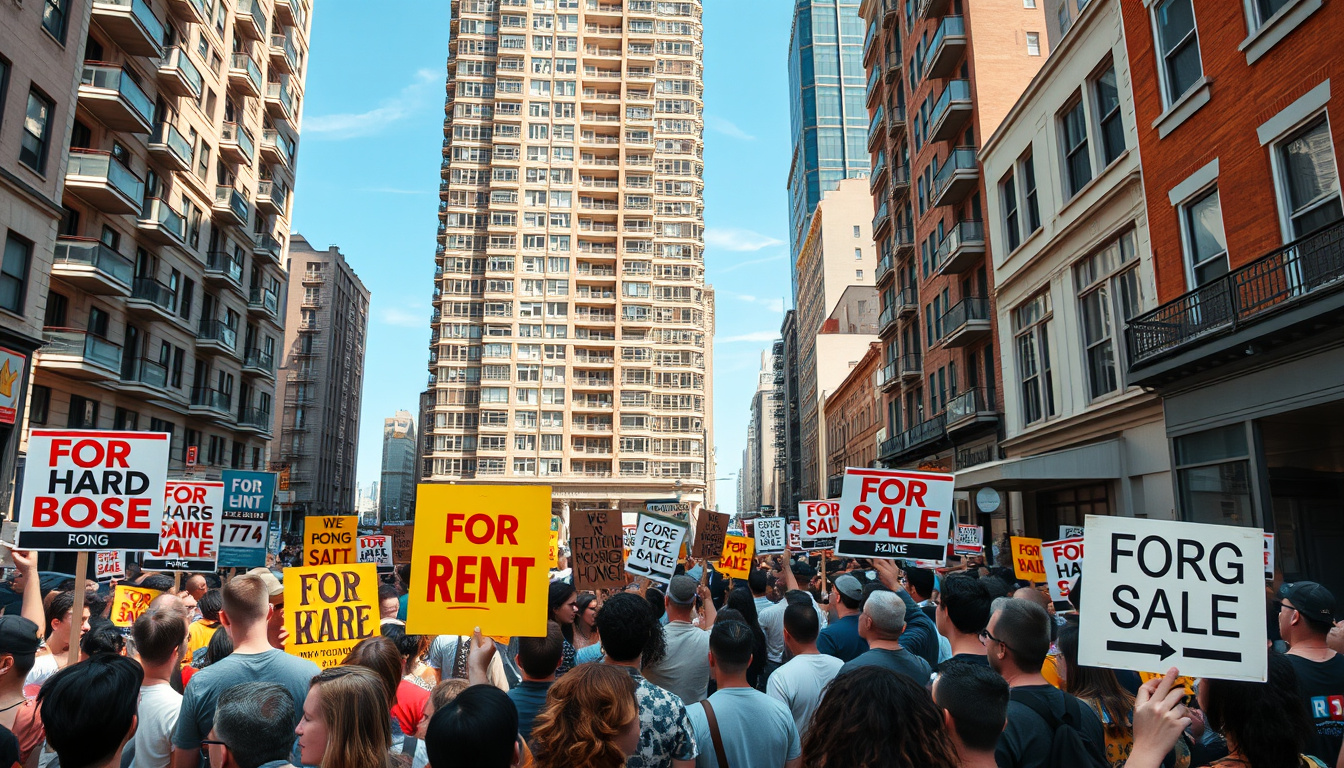
With soaring real estate prices consuming an alarming share of workers' paychecks, cities from Berlin to Lisbon are witnessing passionate protests from those who can no longer afford to live where they work.
Recent data reveals staggering increases in home prices, significant disparities in housing burdens across nations, and highlights the urgent need for solutions in a landscape marked by economic strain.
This article delves into the intricacies of the European housing crisis, examining who is affected and how different countries compare in their ability to provide affordable living options.
Key Takeaways
- Rising housing costs are significantly affecting residents' disposable income across Europe, leading to increased protests.
- Countries like Greece and Hungary are among the hardest hit, with a substantial percentage of their populations spending over 40% of their income on housing.
- Relative affordability varies across Europe, with some regions like Croatia and Lithuania offering lower housing burdens due to higher home ownership rates.
The Impact of Rising Housing Costs on European Residents
As European cities grapple with the alarming trend of rising housing costs, residents find themselves allocating an increasing portion of their earnings towards securing a roof over their heads.
This growing burden is notably evident in countries such as Spain, Lisbon, and Berlin, where citizens have taken to the streets to protest exorbitant rent and home prices.
An eye-opening statistic reveals that Hungary has witnessed a staggering 234% increase in home prices from 2010 to 2024, dwarfing the EU average increase of
55.4%.
This relentless surge in housing costs has forced many to spend over 40% of their net household income on housing, with Greece leading the pack.
The financial strain in Greece is particularly acute, nearly tripling the EU average—a worrying trend exacerbated by inflationary pressures and heightened foreign investment that have driven home prices to their highest levels since
2007.
In Denmark, where
22.7% of the population struggles with housing costs, central bank rate cuts have inadvertently fueled demand, putting further strain on the market.
Conversely, Germany's comparatively lower burden of
13.1% reflects its higher wages, which provide a buffer against the rising cost of living.
Interestingly, some regions, like Croatia and Lithuania, shine as exceptions to this trend, offering more affordable housing options thanks to high home ownership rates that insulate residents from the volatility of the housing market.
This analysis draws on data from Eurostat and visualizations by Visual Capitalist, compelling us to confront the pressing issue of housing affordability across Europe.
Comparative Analysis of Housing Affordability Across EU Countries
The landscape of housing affordability in Europe reveals stark contrasts, with certain regions experiencing severe financial pressure while others maintain relative stability.
Countries such as Greece, with a staggering 40% of the population dedicating more than 40% of their income to housing, face systemic challenges marked by escalating home prices driven by both domestic inflation and foreign investments.
In 2024, Greece’s home price-to-income ratio has surged to levels unseen since 2007, illustrating a pressing need for effective policy interventions.
Denmark, though better positioned with
22.7% of its populace burdened with housing costs, grapples with increasing demand as central bank rate slashes spark competition among homebuyers.
In contrast, Germany benefits from a more resilient economic framework, allowing only
13.1% of residents to experience housing strain, largely attributed to higher wage levels that offset rising costs.
Meanwhile, countries like Croatia and Lithuania demonstrate that a high rate of homeownership can significantly ease the financial burdens faced by residents, highlighting potential pathways to enhance affordability across the EU.