Facing the Crunch: US Packaged Food Industry Struggles Amid Consumer Pressures and Rising Prices
February 18, 2026
The US packaged food industry is currently navigating a fluctuating landscape marked by declining sales and shifting consumer priorities.
Key players like General Mills are sounding the alarm on economic pressures that are reshaping how Americans shop for food.
At the recent Consumer Analyst Group of New York (CAGNY) conference, industry executives shed light on the challenges posed by inflation, waning consumer confidence, and changes in spending habits, especially among lower and middle-income households.
This article delves into the financial pressures consumers face, analyzes industry responses to these challenges, and highlights the strategic shifts companies are adopting to stay afloat in this turbulent environment.
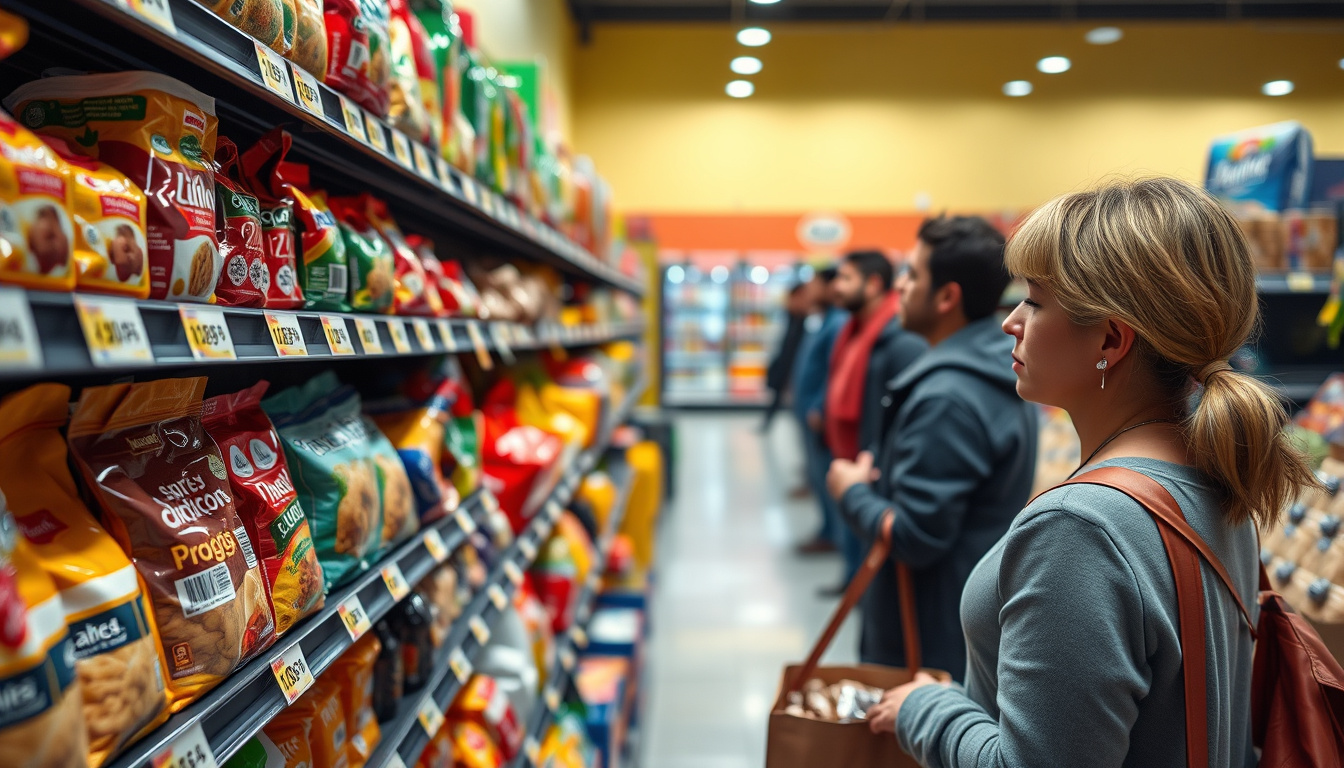
Key Takeaways
- Consumer confidence in the US packaged food industry is declining due to rising prices and inflation.
- Major players are adjusting strategies, such as revising pricing and cutting unprofitable products, to combat shrinking sales.
- The industry's revenue outlook is troubled, with significant sales drops predicted amid ongoing economic challenges for consumers.
Consumer Sentiment and Financial Pressures
In the wake of the recent Consumer Analyst Group of New York (CAGNY) conference, the U.S.
packaged food industry is bracing for difficult times as consumer sentiment dwindles amidst escalating financial pressures.
Executives from leading companies reported concerning trends, particularly in categories such as cereals, snacks, and pet food, where sales are plummeting.
General Mills CEO Jeff Harmening emphasized that affordability challenges due to inflation and reductions in government food assistance have disproportionately affected middle- and lower-income households.
Following this disheartening update, General Mills faced a sharp 7% decline in its stock price—the steepest drop since May 2022—after revising their full-year sales forecast downward, projecting a rather somber organic net sales decline of
1.5% to 2%.
Meanwhile, analysts from BNP Paribas deemed the conference as one of the most pessimistic reflections on the state of the packaged food sector, attributing sustained difficulties to consumer financial stress, vigorous competition from emerging brands, and a marked increase in the use of weight-management medications like GLP-1 drugs, which have adversely impacted snack consumption.
In light of these challenges, General Mills is pivoting towards a revised pricing strategy designed to bolster sales volume, while also trimming its product line by eliminating approximately 20% of its least profitable offerings.
Similarly, Mondelēz International's leadership noted that consumers are significantly scaling back on snacks due to high prices and stagnant disposable incomes.
The overall landscape for the packaged food industry is precarious, with the S&P 500 Packaged Foods Sub-Industry Index reflecting a 4% decline, nearing levels last witnessed during the tumultuous COVID-19 pandemic.
Industry Responses and Strategic Shifts
As the packaged food industry grapples with these challenges, companies are adapting their strategies to navigate the shifting consumer landscape.
General Mills, for example, is not only revising its pricing structure but also focusing on product innovation and marketing efforts aimed at retaining customer interest despite rising costs.
This agile approach reflects a broader trend within the industry, where brands are investing in value-oriented product lines that cater to budget-conscious consumers.
The move to cut down on less profitable products allows General Mills to streamline its operations and concentrate on items that resonate most with its target demographics.
Similarly, Mondelēz International is exploring ways to enhance customer engagement through tailored promotions and value packs.
These strategic shifts are essential for maintaining market share as consumer preferences evolve and economic conditions fluctuate, emphasizing the importance of both adaptability and consumer understanding in a challenging market.