From Tragedy to Outcry: How a Minneapolis Shooting Ignited Nationwide Protests Against ICE
January 8, 2026
The recent ICE-related shooting in Minneapolis has sparked a national conversation on immigration policy and civil rights, highlighting the tensions that continue to simmer across the United States.
In an incident that tragically resulted in the death of a woman seeking to shield individuals from enforcement actions, the subsequent protests not only demonstrated the public's outrage but also illustrated the efficiency and reach of activist networks tied to a broader leftist agenda.
Within mere hours, cities from coast to coast saw coordinated demonstrations that called for the abolition of Immigration and Customs Enforcement (ICE), underscoring a growing sentiment of disapproval towards federal immigration policies.
This article explores the Minneapolis shooting as a catalyst for these nationwide protests, emphasizing the strategies employed by activist groups and the implications for American political discourse.
Key Takeaways
- The shooting of a woman by ICE agents in Minneapolis triggered swift, nationwide protests against immigration enforcement.
- Coordinated activist networks mobilized quickly, highlighting a strategic response to events involving ICE.
- Concerns over potential foreign funding of protests raise questions about the influence of external entities in domestic activism.
The Incident in Minneapolis: A Catalyst for Change
The tragic incident in Minneapolis, where a woman was fatally shot by ICE agents while allegedly attempting to obstruct their operations, has ignited a nationwide wave of protests that underscores the current societal tensions surrounding immigration enforcement in the United States.
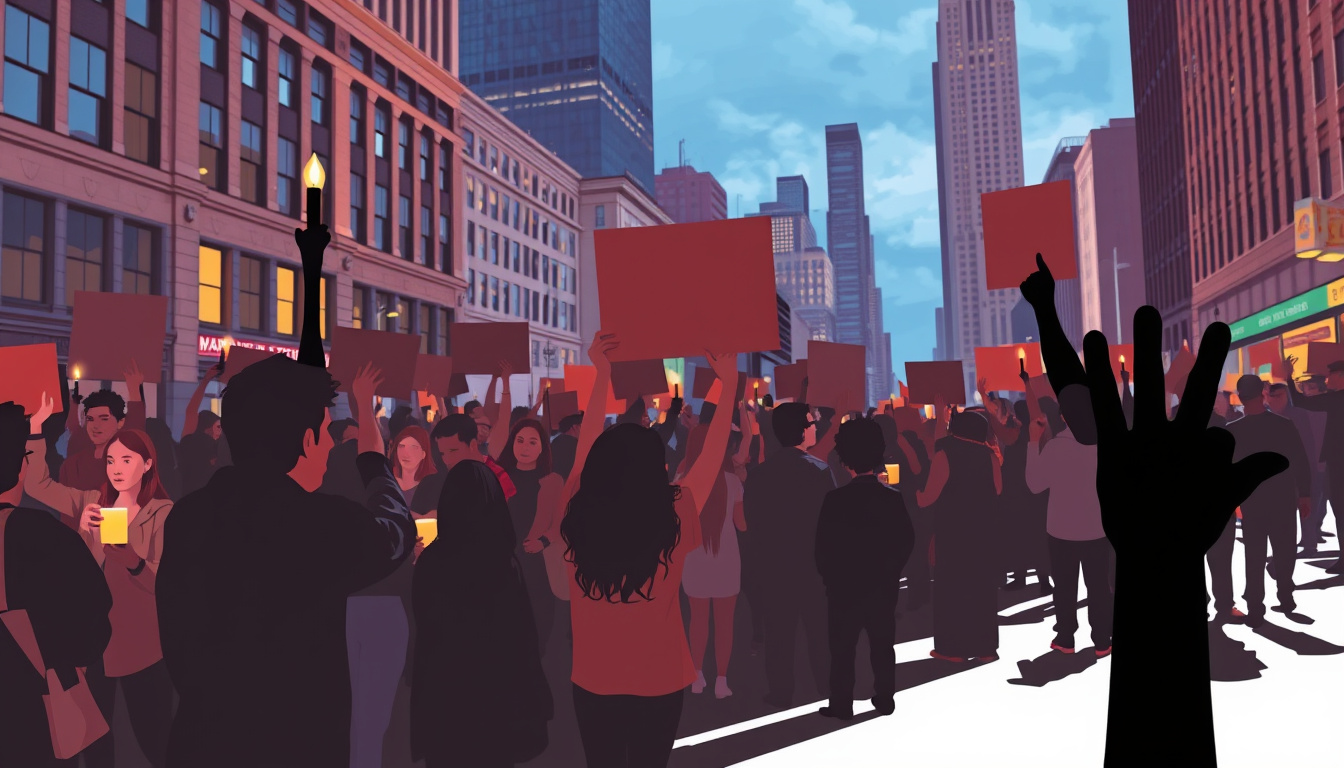
In a matter of hours, coordinated demonstrations erupted across major cities, including New York and Seattle, revealing a highly organized response from activist networks often aligned with progressive political movements.
This rapid mobilization hints at a strategic readiness to address such provocative events, with activists employing diverse tactics that included street blockades and vocal harassment of ICE personnel.
Social media platforms became battlegrounds for dissemination of a range of narratives, amplifying the complexity of public perception and response.
Notably, organizations like the Party for Socialism and Liberation emerged at the forefront of these protests, with reports suggesting they enjoyed funding from a billionaire with links to China, raising questions regarding external influences on domestic political activism.
The protests transcended mere opposition to ICE, becoming a focal point for broader political discourse, emphasizing the urgency for significant systemic change.
This incident not only illustrates the deep divides within American politics but also evokes memories of past uprisings against police brutality, hinting at the potential for escalating unrest as ideological convictions clash within the fabric of society.
Furthermore, with mentions of forthcoming pro-Maduro demonstrations, it’s evident that the ideological battles are far from over, as they may continue to shape the landscape of American activism.
Nationwide Protests: Strategies and Implications
The rapid-fire nature of these nationwide protests highlights not only the agility of activist networks but also a well-oiled strategy for public mobilization.
Following an incident that quickly captured media attention, groups leveraged social media to coordinate movements across states, demonstrating how digital platforms can effectively amplify calls to action.
Activists used various tactics, from peaceful marches to aggressive confrontations, that reflect a calculated approach to confrontation with ICE.
In cities like New York, chants and slogans targeting ICE were ubiquitous, aiming to convey a unified front in the face of federal enforcement actions.
This phenomenon reveals an evolving landscape of protest where real-time reactions can sway public opinion and policy discussions, marking a significant shift in how movements can influence the political arena and suggest a potentially transformative approach to grassroots activism.