Gaza Ceasefire Under Threat: Renewed Hostilities and the Humanitarian Crisis Unfolding
October 20, 2025
In recent weeks, the situation in Gaza has once again reached a critical juncture, with a fragile ceasefire negotiated under the administration of former President Trump coming under severe stress.
Following renewed hostilities since October 10—when the ceasefire officially took effect—local officials have reported a staggering escalation in violence, with approximately 100 Palestinian fatalities and around 230 injuries attributed to ongoing conflicts.
Israel’s airstrikes in response to alleged violations by Hamas have further exacerbated the humanitarian crisis.
In this article, we will delve into the current hostilities, examine the acute impact on civilians, and explore the intercepted humanitarian aid efforts as tensions continue to rise.
Key Takeaways
- The fragile ceasefire in Gaza is under severe threat following renewed hostilities and significant casualties on both sides.
- Israel's airstrikes in response to alleged Hamas violations have raised concerns about further escalation of violence.
- Civilians in Gaza are facing urgent public health risks due to waste accumulation and the ongoing humanitarian crisis.
Current Situation and Hostilities
In recent developments, the fragile ceasefire in Gaza, negotiated under the leadership of former President Trump, is facing significant challenges as hostilities have reignited.
Since the ceasefire was put in place on October 10, local reports have indicated that approximately 100 Palestinians have lost their lives and around 230 have been injured amid escalating tensions.
Recent airstrikes carried out by Israel, purportedly in response to violations by Hamas—which the group has adamantly denied—resulted in at least 44 Palestinian fatalities.
In a heated exchange, Israel claims its troops were targeted, leading to the deaths of two Israeli soldiers.
Both factions are trading accusations regarding ceasefire violations, with Palestinian officials warning of a potential further deterioration in the volatile situation.
President Trump, however, maintains that the ceasefire is still holding, albeit with some recorded incidents involving Hamas.
Special envoy Steve Witkoff, alongside Jared Kushner, has arrived in Israel to assist in managing the ceasefire, while aid deliveries have been confirmed to resume following a temporary blockade.
Additionally, Vice President JD Vance's impending visit to Israel highlights continued diplomatic engagement.
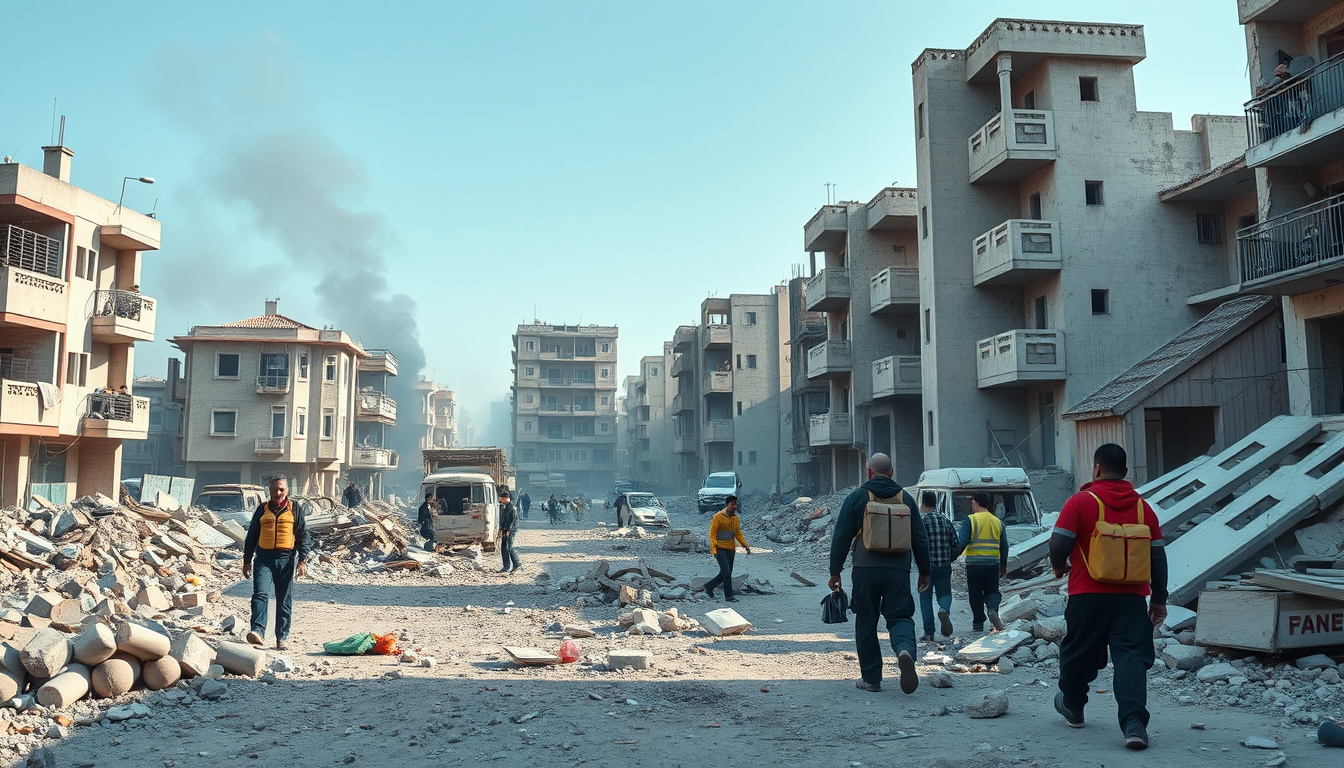
Amid these hostilities, the humanitarian situation for civilians in Gaza continues to worsen, particularly with increasing public health risks associated with waste accumulation that local authorities emphasize requires immediate intervention.
Impact on Civilians and Humanitarian Aid
The ongoing hostilities have not only exacerbated the immediate dangers faced by civilians but have also disrupted vital humanitarian efforts in the region.
Access to basic necessities such as clean water and medical supplies has become increasingly limited, prompting urgent calls for international assistance.
Local health facilities are overwhelmed, struggling to cope with the rising number of injuries as a direct result of the recent airstrikes.
Humanitarian organizations are stressing the importance of unhindered access to provide care and to address the mounting public health crises, which include the spread of preventable diseases due to inadequate sanitation.
As negotiations continue and representatives like Special Envoy Steve Witkoff work to restore peace, the priority remains on the safety and well-being of the local population, highlighting the critical need for support amidst this enduring conflict.