Gaza City Crisis: Escalating Conflict, Famine, and the Future of Hostage Negotiations
August 24, 2025
The ongoing crisis in Gaza City has brought the world's attention to a humanitarian disaster of unprecedented scale.
Following the harrowing events of October 7, 2023, when a terror attack by Hamas triggered a fierce military retaliation from Israel, the situation has escalated into a profound state of emergency.
In this article, we delve into the complexity of the conflict, focusing on the dire conditions facing civilians, the implications of intensified military actions, and the precarious balance of power surrounding hostage negotiations.
With the UN declaring a state of famine, the plight of the people of Gaza is more urgent than ever, compelling both local and international stakeholders to seek sustainable solutions in the face of escalating violence.
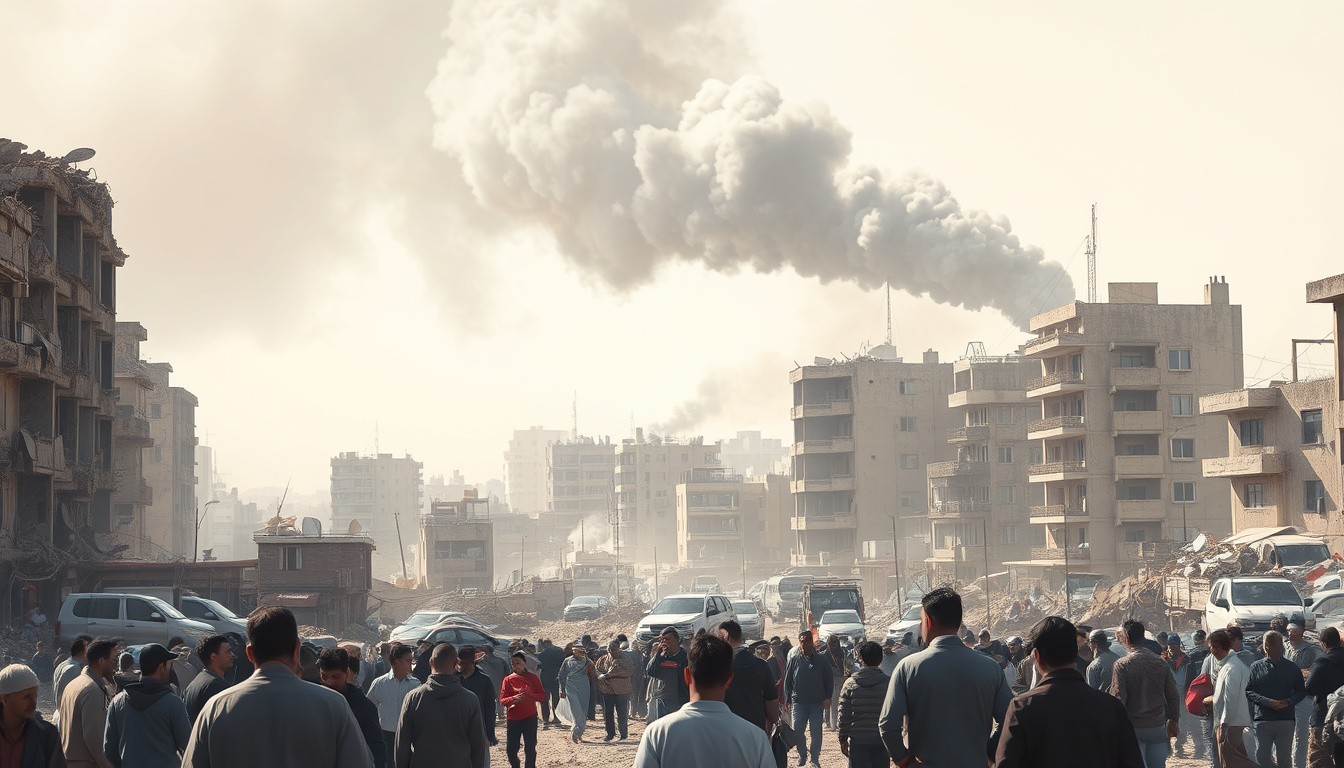
Key Takeaways
- The humanitarian crisis in Gaza City has escalated to a state of famine, affecting over half a million people.
- Negotiations for hostages are stalled as Hamas demands a full Israeli withdrawal and state recognition before disarmament.
- Israel's military actions are intensifying, raising concerns over civilian casualties amidst the conflict.
Escalating Military Actions and Their Impact on Civilians
The ongoing conflict between Israel and Hamas has plunged Gaza City into a critical humanitarian crisis, marked by escalating military actions that heavily impact civilian life.
In the wake of the terror attack on October 7, 2023, Israeli forces have increased their military operations, with Israeli Defense Minister Israel Katz issuing stark warnings of grave repercussions should Hamas fail to meet Israel's demands, which include the unconditional release of hostages and a comprehensive disarmament of its armed factions.
The situation has deteriorated to the extent that the United Nations has declared a state of famine under its Integrated Food Security Phase Classification (IPC), with over half a million residents facing starvation and severe food insecurity.
UN Secretary-General Antonio Guterres has characterized the conditions in Gaza as a 'man-made disaster,' highlighting the urgent need for international intervention.
As Israeli bombardment continues and the civilian population bears the brunt of both military aggression and hunger, reports indicate increasing casualties.
While Hamas has shown openness to negotiate for the release of hostages in exchange for a halt to hostilities, it remains resolute in its stance against disarmament without a full Israeli withdrawal and recognition of a Palestinian state.
With both sides entrenched in their positions, mediators are anxiously awaiting Israel's response to Hamas's ceasefire proposal, underscoring the high tensions that currently dominate the region.
Hostage Negotiations: Stalemate and Potential Pathways
The current humanitarian crisis in Gaza City highlights the urgency of addressing the complex dynamics surrounding hostage negotiations amid the ongoing conflict between Israel and Hamas.
As military actions escalate, the stakes have never been higher for civilians caught in the crossfire.
Efforts at negotiation are complicated by the divergent demands of both parties.
Hamas's insistence on a halt to hostilities in exchange for the release of hostages demonstrates its commitment to bargaining, but the organization's calls for an end to military operations and recognition of Palestinian statehood still serve as significant barriers to any potential resolution.
Meanwhile, the international community closely monitors the situation, recognizing that the implications of inaction could further deepen the existing humanitarian catastrophe.
With the UN's declaration of famine in Gaza, global leaders and negotiators are tasked with finding a viable path forward that prioritizes the welfare of innocent civilians while navigating the political complexities that define this ongoing conflict.