Geopolitical Tensions Surge Oil Prices: Understanding the Impact of Iran’s Conflict on Global Markets
March 18, 2026
In recent weeks, the global oil market has been thrust into a state of turmoil, primarily driven by escalating geopolitical tensions surrounding Iran's oil and gas assets.
The reported targeting of the South Pars gas field by Israeli forces has led to a significant spike in West Texas Intermediate (WTI) crude oil prices, soaring to $95 per barrel.
This article dives into the complexities of how military actions impact oil pricing, particularly focusing on the ramifications of the ongoing conflict in the Persian Gulf.
With tanker flows through the strategic Strait of Hormuz plummeting by an astonishing 98% compared to normal levels, the ramifications for oil supply are profound, estimated at a staggering loss of 15 million barrels per day from this crucial region.
Moreover, neighboring Iraq's strategic pivot to the Ceyhan pipeline in Turkey showcases how oil-exporting nations are adapting to safeguard their resources while navigating this intricate crisis.
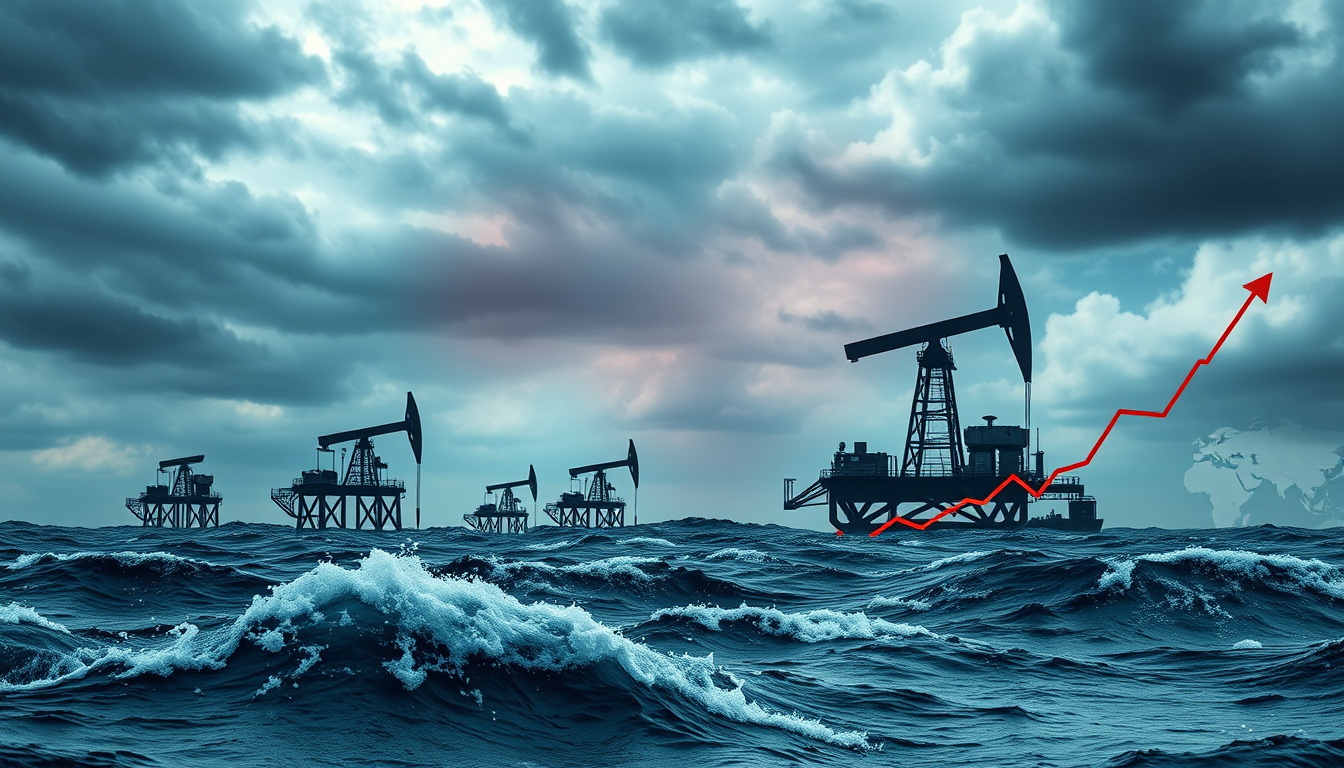
Key Takeaways
- Iran's ongoing conflict has caused a significant spike in oil prices, reaching $95 per barrel.
- The Strait of Hormuz has seen a dramatic reduction in tanker flows, down 98%, affecting global oil supply.
- Iraq's oil exports have been rerouted as it adapts to the crisis, but overall production has plummeted to a third of pre-crisis levels.
The Effects of Military Actions on Oil Prices
The recent military actions targeting Iran's oil and gas assets, notably the South Pars gas field, have sent shockwaves through the global oil market, resulting in a substantial surge in oil prices.
West Texas Intermediate (WTI) crude oil prices have spiked to $95 per barrel, underscoring the profound impact of these disruptions on the energy sector.
One of the pivotal factors contributing to this price increase has been the drastic reduction of tanker flows through the Strait of Hormuz, which have plummeted by 98% compared to typical levels, translating into an alarming estimated loss of 15 million barrels per day in oil shipments from the Persian Gulf.
In response to this precarious situation, Iraq has adapted by rerouting its oil exports via the Ceyhan pipeline in Turkey, allowing it to circumvent the troubled strait.
However, Iraq's oil production has significantly dwindled, now standing at around
1.4 million barrels per day—approximately one-third of its pre-crisis capacity.
Analysts are warning that the ongoing conflict could lead to further demand destruction in the forthcoming weeks, which would exacerbate the fluctuations within the global oil markets as tangible barrels continue to vanish from circulation.
Additionally, the Iranian government is actively working on new regulations aimed at safe transit through the Strait of Hormuz to protect its interests amidst the escalating regional tensions.
In summary, the current geopolitical instability and military engagement have drastically reshaped the oil flow dynamics in the Gulf region, heralding possible increases in global oil prices and significant operational shifts among oil-exporting nations.
Strategic Responses from Oil-Exporting Nations
As the situation evolves, other oil-exporting nations are also formulating strategic responses to mitigate the impact of the disruptions in the Persian Gulf.
Saudi Arabia, for instance, has increased its crude production to compensate for the shortfall from Iraq and other countries affected by the conflict.
This surge aims to stabilize global oil prices but comes with risks of overproduction and potential backlash from OPEC members who seek to maintain price control.
Meanwhile, the United Arab Emirates is exploring alternative shipping routes and enhancing its pipeline infrastructure to reduce reliance on the Strait of Hormuz.
The regional politics surrounding oil are increasingly complex, affecting not just the immediate exporting countries but also global energy consumers who face rising prices and potential supply constraints.
The diplomatic maneuvers of these oil-exporting nations will be crucial in determining the balance of supply and demand in an already strained market, underscoring the interconnectedness of geopolitics and global energy trade.