Haiti Declares State of Emergency Amid Surge in Gang Violence and Food Crisis: What You Need to Know
August 12, 2025
Haiti, a nation grappling with deep-rooted challenges, has recently declared a three-month state of emergency as a response to escalating gang violence and a severe food crisis affecting its central regions.
This emergency comes at a time when the country faces unprecedented violence that has claimed thousands of lives and displaced over 239,000 individuals.
The situation in Haiti, particularly in the West, Artibonite, and Center departments—regions known for their agricultural output—is dire.
With recent reports indicating that from October 2024 to June 2025, more than 1,000 people were killed and 620 others kidnapped due to gang activities, it becomes increasingly urgent to understand the implications of these events.
Here’s a closer look at the current situation, the government’s measures to restore order, and the looming threats to food security.
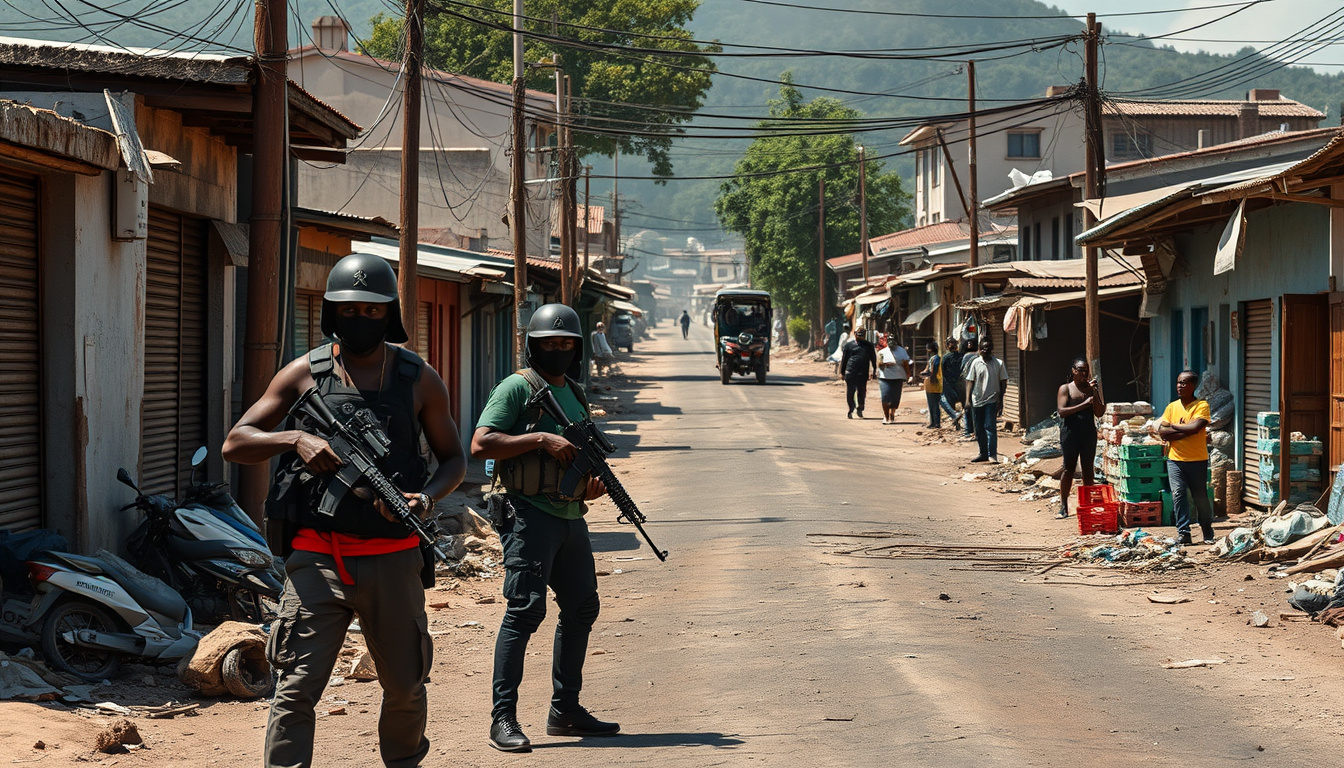
Key Takeaways
- Haiti has declared a three-month state of emergency to tackle escalating gang violence and food crises.
- Over 1,000 people have been killed and 239,000 displaced due to gang activities, particularly in the Artibonite area.
- The government is enlisting international support, including collaboration with Kenyan police, to restore order and address humanitarian needs.
Overview of the Current Situation in Haiti
Haiti is currently facing an unprecedented wave of gang violence, prompting the government to declare a state of emergency for three months.
This situation is particularly dire in the West, Artibonite, and Central departments, which are critical agricultural areas known as the country's 'rice basket.' The declaration, which aims to stabilize the security landscape while also addressing an ongoing agricultural and food crisis, has come in response to alarming statistics: from October 2024 to June 2025, over 1,000 people were reported killed, and 620 were kidnapped in the Artibonite and Central regions alone.
This surge in violence has caused severe disruptions in farming operations, leading to losses of life among farmers, abandonment of farmland, and the displacement of more than 239,000 people.
In an urgent attempt to regain control, the government has appointed André Jonas Vladimir Paraison as the interim director general for the National Police, following criticism of previous leadership’s inability to effectively manage the crisis, especially in Port-au-Prince where gangs hold significant power.
To further support these efforts, Haiti's government is working alongside the Kenyan police on a U.N.-backed mission aimed at restoring order and addressing critical humanitarian issues in these hard-hit regions.
The intersection of political action and international assistance is crucial as Haiti seeks to navigate through these challenging times.
Government Response to Gang Violence and Food Crisis
As the situation escalates, the response from local and international entities becomes increasingly important.
Organizations and non-profits focused on humanitarian aid are mobilizing to support displaced families and bolster food distribution networks.
These efforts are essential to alleviate some of the suffering inflicted by the gangs, particularly in rural areas where the agricultural economy is critical for sustenance.
With farmers fleeing their lands, questions arise about crop yields and food security, emphasizing the need for a coordinated approach to address not just law enforcement, but also the root causes of instability, such as poverty and lack of access to resources.
Moreover, fostering community resilience through education and local governance will be vital components in achieving lasting peace and stability in Haiti.