IDF Strikes Gaza: Assassination of Hamas Commander Raed Saad Amidst Fragile Ceasefire
December 14, 2025
In a decisive move that reverberates throughout the region, the Israeli Defense Forces (IDF) announced the assassination of Hamas commander Raed Saad on December 14,
2025.
This strike, which occurred in the midst of an already tenuous ceasefire following years of conflict, raises critical questions about the ongoing tensions in Gaza and the future of Israeli-Palestinian relations.
Saad, known for his pivotal role in Hamas’s military operations, was targeted in a vehicle within Gaza City, marking a significant escalation in Israel's military strategy against the militant group.
This article explores the context surrounding Saad's assassination, the reactions from Hamas, and the broader implications for future peace talks.
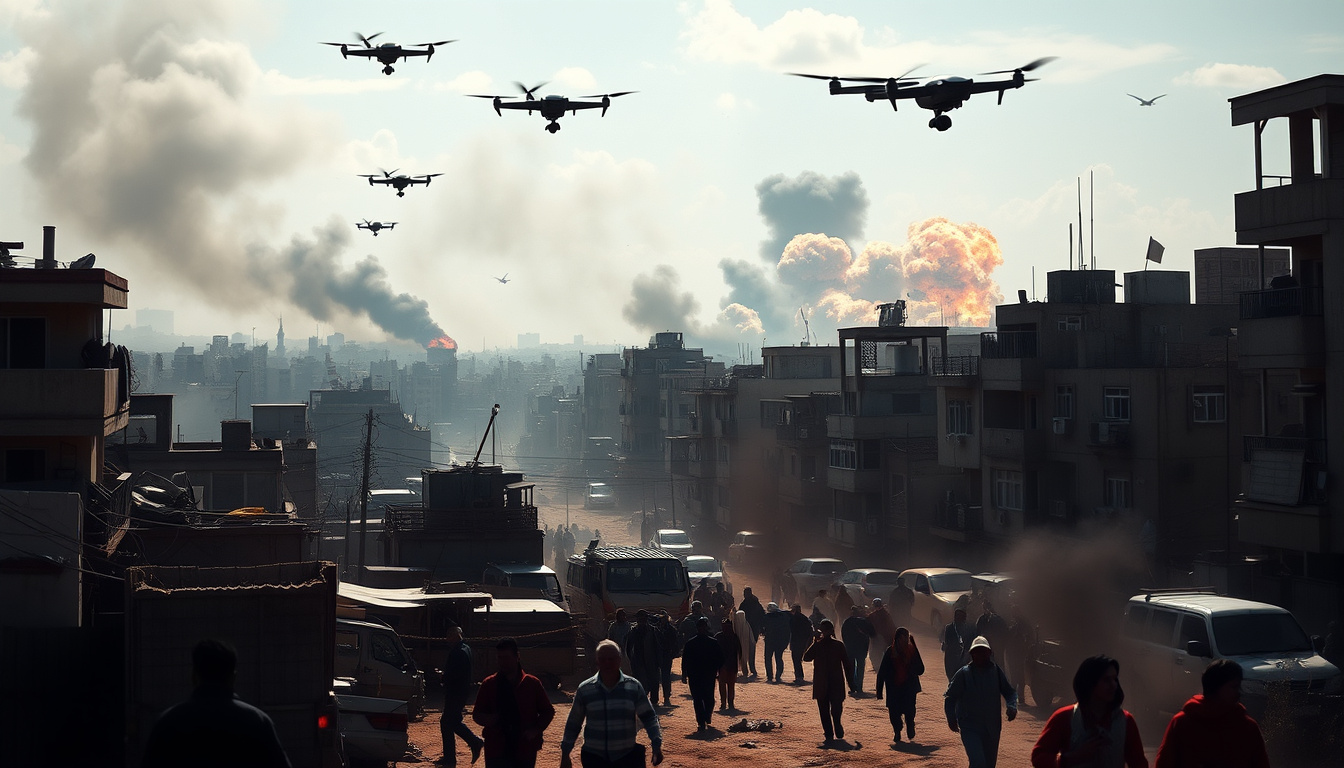
Key Takeaways
- The IDF targeted and killed Hamas commander Raed Saad during a fragile ceasefire, escalating tensions in Gaza.
- Hamas condemned the strike as a violation of ceasefire terms, highlighting the ongoing cycle of violence.
- Israeli officials defended the assassination as necessary for national security, indicating a continued focus on eliminating threats from Hamas.
The Context of the Strike: Ceasefire and Tensions
### The Context of the Strike: Ceasefire and Tensions On December 14, 2025, a pivotal event unfolded in the ongoing conflict between Israel and Hamas, marking a significant escalation of tensions despite a delicate ceasefire in place.
The Israeli Defense Forces (IDF) made headlines with their announcement of the assassination of Raed Saad, a senior Hamas commander who played a crucial role in orchestrating the October 7, 2023 terror attacks.
This targeted strike in Gaza City, which resulted in the death of Saad along with four other individuals in the vehicle, highlights the complex interplay of military strategy and geopolitical maneuvering in the region.
Saad was not just any Hamas operative; he was recognized as the head of the group’s weapons production division and served as the deputy leader of Hamas's armed faction, making his elimination a key objective for Israeli security forces.
The timing of the strike raised serious concerns regarding the fragile ceasefire between the conflicting parties.
Following the operation, Hamas vehemently condemned the assassination, deeming it a clear breach of the ceasefire agreement and pointing out that numerous Palestinian lives had been lost since its enactment.
This underscores the precarious situation that both sides find themselves in—where even a singular military action can threaten to unravel diplomatic efforts towards peace.
In the wake of the strike, Israeli officials, including Prime Minister Benjamin Netanyahu and Defense Minister Israel Katz, communicated a resolute stance on the IDF’s military operations, framing Saad’s death as essential to thwarting ongoing threats from Hamas.
They referenced recent provocations, particularly an incident that injured two Israeli soldiers due to an explosive device, just hours before the operation was authorized.
Interestingly, reports emerged indicating that the Israeli government chose to proceed with the strike without prior notification to Washington, assuming that the targeting of a prominent terror figure would not elicit significant objections from its ally.
This decision reflects the intricate balance of international relations and military strategy, showcasing Israel’s commitment to countering perceived threats while navigating the geopolitical landscape.
Saad’s assassination is emblematic of the broader combat strategy employed by Israel against Hamas, highlighting the complexities involved in attempting to secure peace in a region fraught with historical tensions and ongoing conflicts.
Hamas's Reaction and the Implications for Future Peace Talks
In response to Saad's assassination, Hamas vowed to retaliate, signaling a potentially volatile escalation in the ongoing conflict.
The leadership issued statements framing the attack as an act of aggression that would only deepen their resolve to resist Israeli actions.
This fierce reaction raises critical questions about the viability of future peace talks, as such escalations often derail diplomatic efforts.
Moreover, the strike has implications beyond immediate military engagements; it could lead to a cycle of retaliatory violence that complicates international mediation.
Analysts warn that without meaningful dialogue or compromise, the situation may further deteriorate, making any attempt at a long-term resolution all the more challenging.
As tensions heighten, the international community watches closely, recognizing that each military action has the potential to redefine the landscape of peace negotiations in the region.