Iran's Bold Drone Strikes Drive Crude Prices Sky High: The New Phase of Energy Warfare Explained
March 17, 2026
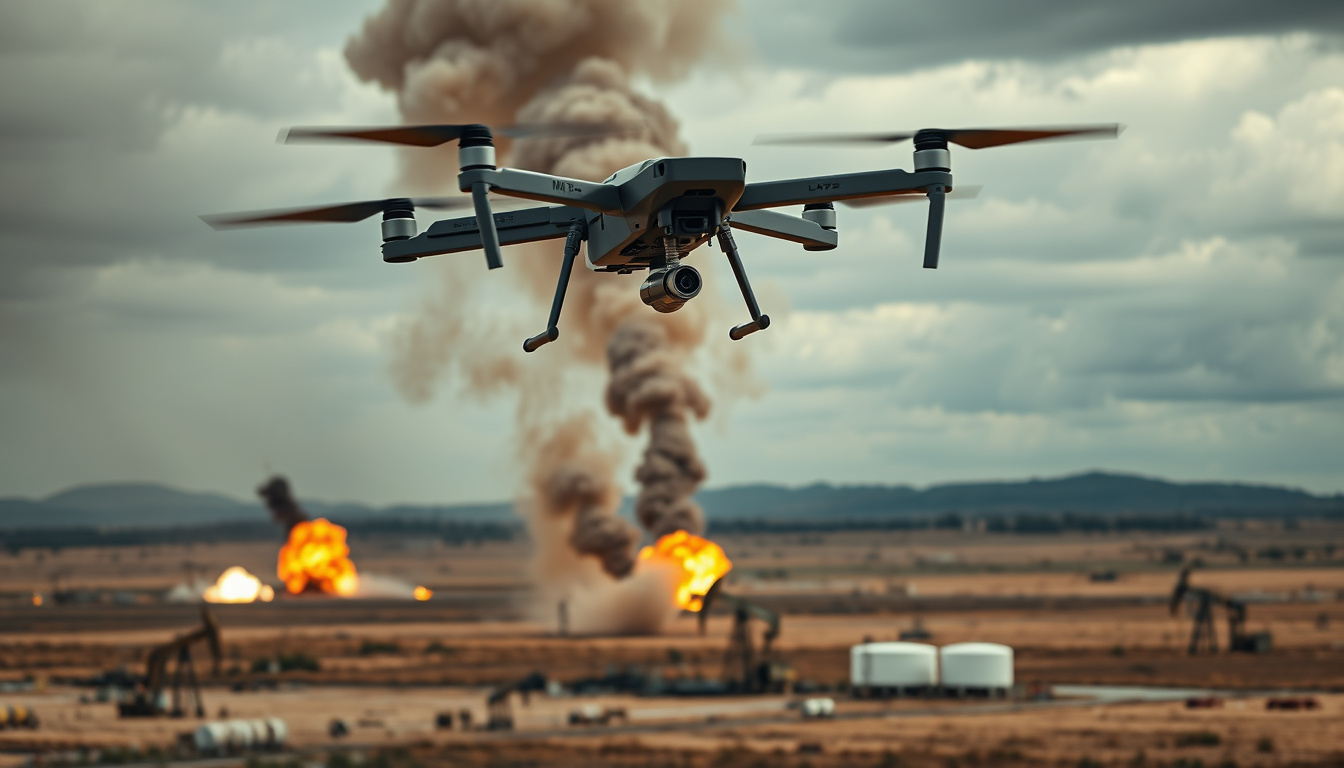
In recent weeks, Iran has escalated its military actions in the Gulf region, executing a series of bold drone strikes against critical oil and gas production facilities.
This significant uptick in aggression is not just a tactical maneuver but signals a profound shift in Iran's energy warfare strategy, posing new challenges for Gulf states aligned with the United States.
As the situation unfolds, crude oil prices have spiked, reflecting widespread concerns about potential supply disruptions that could reverberate through the global market.
This article explores Iran's drone warfare, its implications for the global oil market, and the economic consequences that could follow, particularly for consumers.
Key Takeaways
- Iran's drone strikes on oil facilities have escalated tensions in the Gulf, leading to skyrocketing crude prices.
- Recent actions mark a significant shift in Iran's energy warfare strategy, with threats to the Strait of Hormuz impacting global supply security.
- U.S. gas prices have surged dramatically, reflecting the broader economic consequences of increased instability in the Middle East.
Iran's Drone Warfare: Targeting Key Oil Infrastructure
Iran's recent drone warfare campaigns, particularly targeting oil infrastructure in the Gulf region, symbolize a tactical shift in its ongoing grievances against Gulf states allied with the United States.
The strategic focus has been on vital energy assets, with drone strikes successfully executed on significant oil and gas production facilities like the Shah oil and gas field in the UAE and the Majnoon oil field in Iraq.
The implication of these actions is substantial; crude oil prices have reacted sharply, escalating to nearly $105 for Brent and $98.42 for WTI, as fears about potential energy supply disruptions grip the market.
These drone strikes signify what experts are calling a 'new phase' in Iran's energy warfare, particularly as Iranian drones have been seen swarming over Saudi Arabian territories, threatening key maritime routes such as the Strait of Hormuz.
This uptick in hostilities has led to a stark increase in crude prices, which have skyrocketed over 40% since late February.
The International Energy Agency (IEA) has since attempted to stabilize the turbulent market by releasing emergency oil stocks, yet the volatility remains a pressing issue.
Meanwhile, the United States has been trying to navigate through this crisis, with Treasury Secretary Scott Bessent stating that current policies allow Iranian oil tankers passage through these critical waterways.
Analysts express growing concerns about the security of shipping routes, suggesting that any further disruptions could severely impact the global oil supply.
Complicating matters, past efforts by the Trump administration to enhance military presence in the region have encountered obstacles, as allied nations have refrained from providing naval escorts for commercial vessels.
The repercussions of these developments are felt far and wide—the United States has seen gas prices surge by an unprecedented 25% within a month, inching closer to the sensitive $4 per gallon mark, while diesel prices have crossed the $5 per gallon mark for the first time since December 2022, exacerbating costs in sectors like agriculture and transportation.
As the situation remains fluid, experts challenge stakeholders to seek a strategic 'off-ramp' to prevent further military escalation and bring about resolution.
Global Oil Market Reaction and Economic Implications
In the wake of escalating tensions in the Gulf, the global oil market is experiencing significant disruptions, leaving both policymakers and analysts concerned about the long-term implications.
The surge in crude oil prices to nearly $105 for Brent and $98.42 for WTI reflects heightened anxieties over energy supply security, particularly following Iran's aggressive maneuvers against crucial oil and gas infrastructure.
The IEA's attempt to stabilize the market through the release of emergency oil stockpiles underscores the urgency of the situation, yet volatility remains a persistent issue.
The staggering rise in gas prices in the United States, reaching an average of $4 per gallon, along with diesel surpassing $5 per gallon, highlights the direct economic repercussions for consumers and businesses alike.
With agriculture and transportation heavily reliant on stable fuel prices, further destabilization in the Gulf could spell trouble for global supply chains and economic growth.
As the West grapples with these developments, the critical need for diplomatic solutions becomes increasingly evident.