Iran's Nuclear Deal Prospects: Economic Gains vs. Rising Tensions with the U.S.
February 16, 2026
As the global community observes the intricate dance of diplomacy and tension surrounding Iran's nuclear ambitions, the impending Geneva talks mediated by Oman come under heightened scrutiny.
With a backdrop of escalating tensions between Iran and the Trump administration, the Iranian government is actively showcasing the substantial economic opportunities that a renewed nuclear deal could bring.
Key Iranian officials, including Deputy Director for Economic Diplomacy Hamid Ghanbari, underscore the mutual benefits that could arise—particularly in sectors such as oil, gas, mining, and aviation.
This article delves into the potential economic incentives for a nuclear agreement and examines the looming specter of military action that has intensified since the U.S.
withdrew from the 2015 nuclear deal.
By exploring both sides of the equation, we aim to provide a thorough understanding of the stakes involved in these pivotal negotiations.
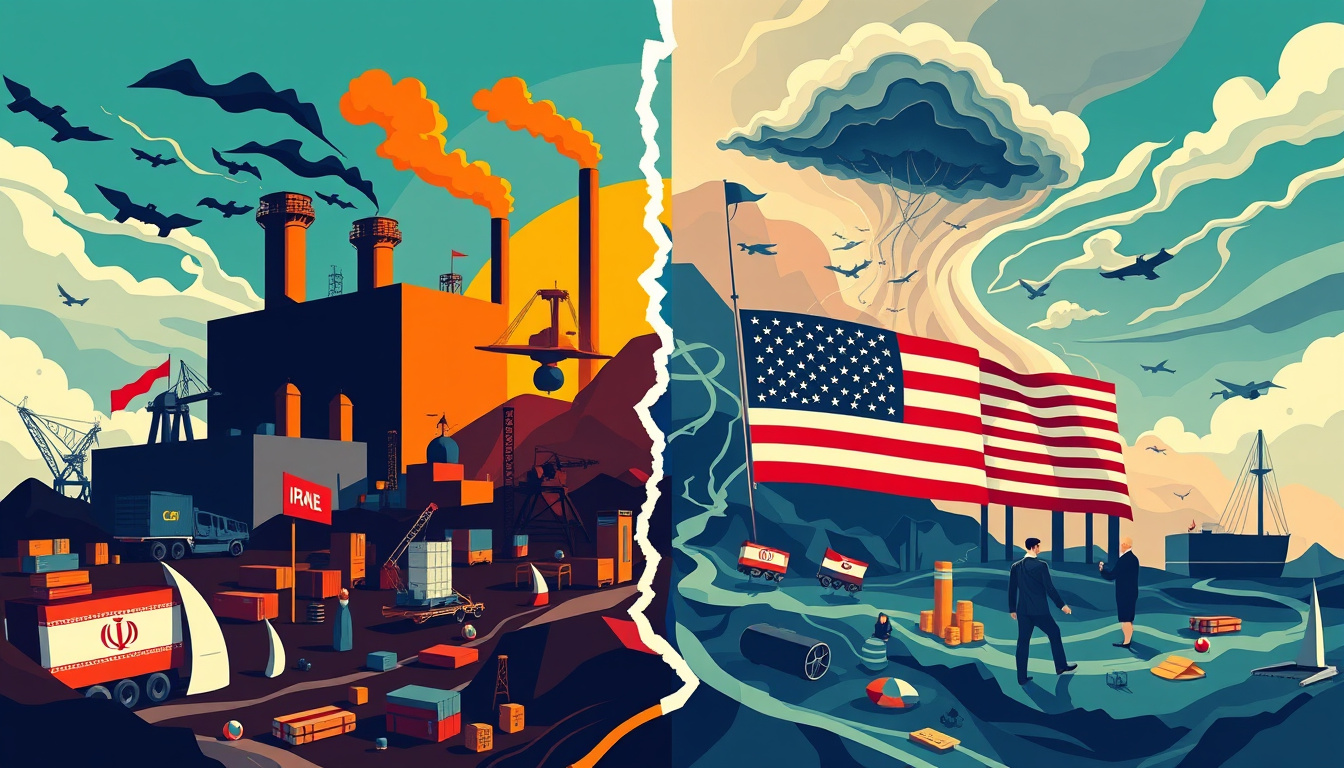
Key Takeaways
- Iran is promoting the economic benefits of a nuclear deal to attract Western engagement amid rising tensions.
- The U.S. withdrawal from the 2015 nuclear deal has led Iran to gradually abandon its compliance, worsening diplomatic relations.
- Military preparations by the Pentagon could escalate tensions if negotiations falter, underscoring the high stakes involved.
Economic Incentives for a Nuclear Deal
The ongoing negotiations surrounding a nuclear deal with Iran have highlighted significant economic incentives for both parties involved.
As tensions mount with the Trump administration, Iranian officials, notably Deputy Director for Economic Diplomacy Hamid Ghanbari, are underscoring the potential economic benefits a renewed deal could bring.
Particularly, they point to key sectors such as oil, gas, mining, and aviation, where economic growth could be realized if limits on trade were eased.
The Iranian aviation industry, for instance, has faced severe challenges due to sanctions that have crippled its ability to modernize an aging fleet.
Under the 2015 nuclear agreement, Iran was allowed to procure new aircraft from Western manufacturers, which was a pivotal opportunity; however, the U.S.
exit from the deal in 2018 led to significant financial losses, particularly for Boeing, and restored draconian sanctions.
The upcoming talks in Geneva, mediated by Oman, are unlikely to yield dramatic breakthroughs, especially with Israel’s Prime Minister Netanyahu pressuring the U.S.
for stringent terms, including the cessation of uranium enrichment and the dismantling of Iran's ballistic missile capabilities.
Notably, Iran's compliance with the original deal was verified by the International Atomic Energy Agency, raising questions about the rationale behind the U.S.'s withdrawal.
In light of these events, the Pentagon has reportedly bolstered its military presence in the region, preparing for any contingency in case diplomatic efforts falter, which only serves to amplify concerns about escalating tensions.
The Growing Threat of Military Action and Tensions
As negotiations for a renewed nuclear deal progress, the situation remains fraught with complexity and risks.
Iran's plea for economic relief highlights the country's desperate need for growth, particularly in its oil and gas sectors, which have been severely impacted by ongoing sanctions.
Notably, the sanctions have also stifled Iran's ability to upgrade its aviation fleet, a critical aspect of its economy where restrictions have left it unable to acquire essential aircraft.
While Iranian officials advocate for the mutual economic benefits of a deal, skepticism looms, primarily fueled by Prime Minister Netanyahu's aggressive stance, which demands Iran’s complete cessation of uranium enrichment and the dismantlement of its ballistic missile program as prerequisites for any agreements.
The geopolitical landscape remains tense, with military strategies being mobilized as a ‘Plan B’ in Washington, accentuating the precarious balance between diplomacy and conflict.
Stakeholders from both sides of the negotiations must navigate these turbulent waters carefully, as the implications of failing talks could lead to dire economic and military consequences for the region.