Israel Extends Military Service Amid Gaza Conflict: What You Need to Know
April 28, 2025
The ongoing conflict in Gaza has forced Israel to make significant adjustments to its military strategy, particularly regarding its personnel.
In a decisive move, the Israeli army has announced an extension of compulsory military service by four months, reflecting a dire manpower crisis exacerbated by the escalating hostilities.
As Israel faces rising tensions and resistance activities, the implications of this decision are profound.
This article delves into the impacts of the extended military service on Israeli forces, the public response to these developments, and the political tensions surrounding the Gaza conflict.
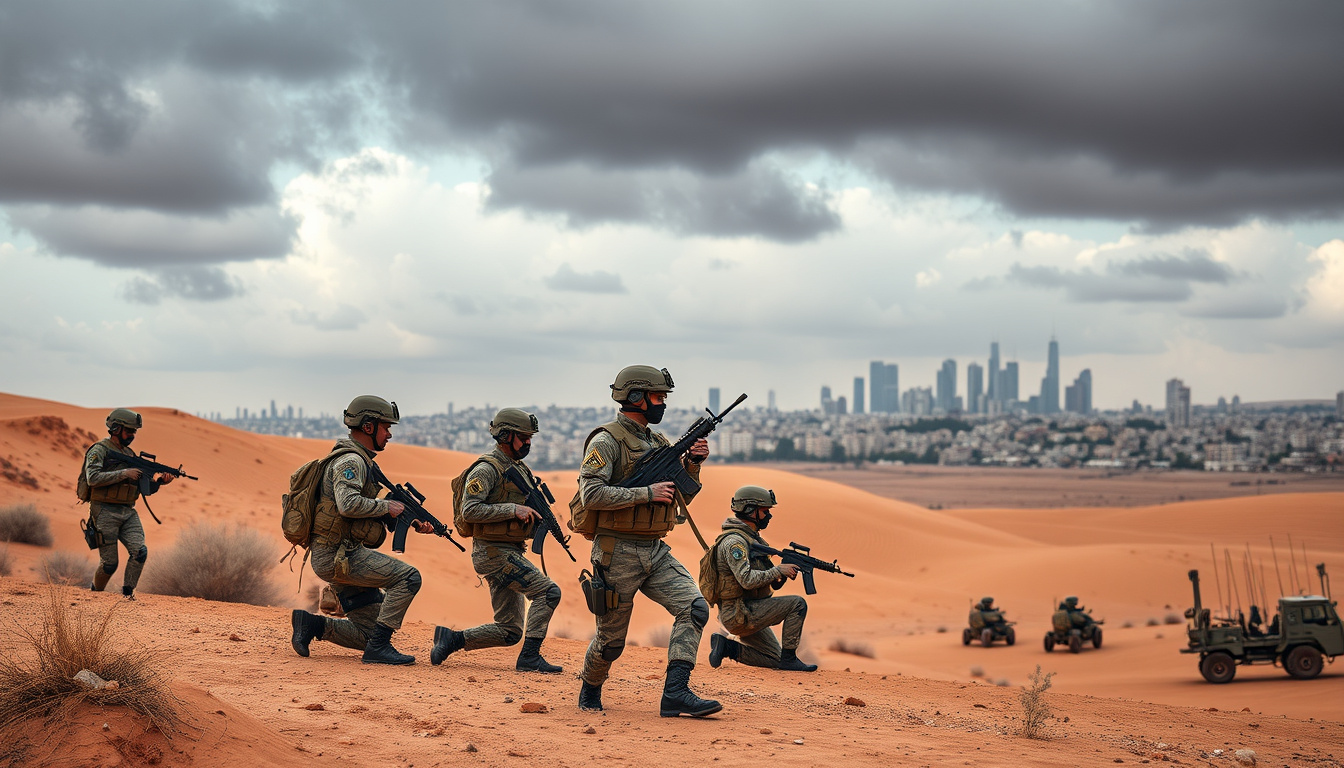
Key Takeaways
- Israel is extending military service by four months amid a manpower crisis in the ongoing Gaza conflict.
- The extension requires soldiers to serve a total of three years, with pre-release leave canceled due to urgent military needs.
- Internal disagreements within the Israeli Security Cabinet and public protests reflect growing tensions over military strategy and prisoner exchanges.
Impacts of Extended Military Service on Israeli Forces
The decision by the Israeli army to extend compulsory military service by four months is a significant indication of the escalating manpower crisis the country is facing.
With a critical shortage of approximately 10,000 troops, including 7,000 in vital combat positions, this adjustment is not merely a procedural change; it reflects deeper issues arising from the ongoing conflicts in Gaza and heightened resistance activities.
Under the new parameters, the extension of service will transition into reserve duty, forcing soldiers to complete a total of three years, while also canceling pre-release leave—the psychological toll of which on the troops and their families cannot be understated.
Recent military engagements have led to the tragic loss of Israeli soldiers, reinforcing the urgent need for increased personnel in the armed forces as military operations may escalate if ongoing truce negotiations fail.
This has sparked a comprehensive crisis within the reserves, with many officers demonstrating reluctance to answer calls for service, raising concerns about the effectiveness of mobilization efforts.
Additionally, tensions are brewing within the Israeli Security Cabinet, as divisions over military strategy in Gaza have surfaced between political leaders and military brass.
Public sentiment is also palpable, with widespread protests demanding swift actions regarding prisoner exchanges in the midst of this conflict.
As these dynamics unfold, the implications on the morale of troops and the overall readiness of the Israeli army remain a critical focus for national security.
Public Response and Political Tensions Surrounding the Gaza Conflict
The public response to the current Gaza conflict has revealed deep political fractures in Israeli society.
A broad cross-section of the population—ranging from families of service members to peace activists—has voiced their concerns through protests and social media campaigns, highlighting their demands for more strategic military engagement, including urgent negotiations for prisoner exchanges.
This grassroots movement underscores a larger frustration with government decisions that have direct implications for military operations.
Those protesting have called for accountability and clarity regarding the objectives and strategies employed by military leadership, reflecting a growing discontent with the perceived handling of the conflict.
Moreover, as the situation escalates, the protests are fueled by families who are increasingly anxious over the safety of their loved ones in service, contributing to a complex dialogue about ethics and efficacy in warfare.
The palpable anger and fear felt by the public are compounded by news of escalating casualties, which further ignite debates on military policy and national security—questions that resonate deeply within the ongoing narrative of the Israeli-Palestinian conflict.