Kabul's Water Crisis: A Looming Catastrophe Threatens Afghanistan's Capital by 2030
July 26, 2025
Kabul, the bustling capital of Afghanistan, is teetering on the brink of a catastrophic water crisis that threatens its very existence.
As we approach 2030, concerns mount that Kabul could emerge as the first modern capital city to completely run out of water.
This alarming situation stems from a complex web of factors, including rampant population growth, the excessive extraction of groundwater, and the escalating effects of climate change.
With nearly half of the city’s boreholes dry and remaining groundwater often tainted, the health risks to Kabul’s residents continue to rise.
The effects are already visible in the daily lives of citizens like Ahmad Yasin, who struggle to access safe drinking water despite investing considerable time and resources into purification.
In the face of dwindling funding for essential water and sanitation programs—which only saw an allocation of $8 million out of the $264 million needed—the crisis deepens, particularly affecting the most vulnerable members of society who allocate up to 30% of their monthly income just to secure this basic necessity.
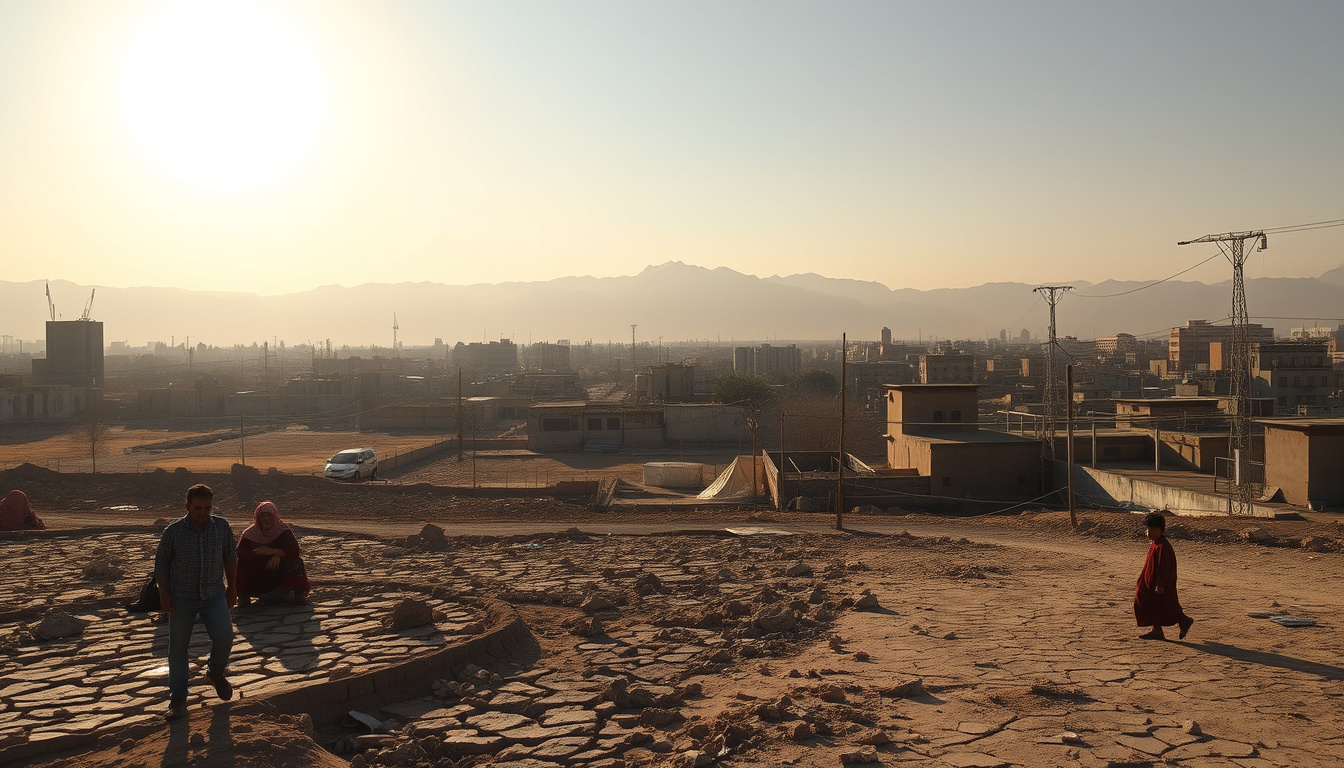
Key Takeaways
- Kabul is on track to become the first capital city to run out of water by 2030 due to population growth and resource mismanagement.
- The water crisis disproportionately affects vulnerable populations, with families dedicating a large portion of their income to secure clean water.
- Insufficient funding and climate change are exacerbating the crisis, posing serious health risks to residents and further entrenching poverty.
Causes of the Water Crisis in Kabul
The water crisis in Kabul has reached alarming levels, making it a pivotal issue for the city and its residents.
As the capital of Afghanistan, Kabul is grappling with the dual challenge of rapid population growth and insufficient infrastructure to supply clean water.
The city's population has surged, placing an immense strain on existing water resources.
Over-extraction of groundwater has led to nearly half of the city’s boreholes drying up, further complicating access to this vital resource.
Adding to the crisis, many of the remaining water sources are contaminated, posing significant health risks to residents.
Individual efforts, like those of local residents such as Ahmad Yasin, who have spent considerable sums to secure clean water, often end in disappointment as water remains unsafe, even after treatment.
The financial support necessary to tackle this escalating crisis has also dwindled, with only a fraction of required funding available—just $8 million allocated compared to the $264 million needed for effective water and sanitation initiatives.
This funding shortfall exacerbates social inequalities, forcing families to allocate up to 30% of their monthly income toward purchasing water.
Children are increasingly absent from school, burdened with the responsibility of bringing water home, which impedes their education and contributes to the persistent cycle of poverty.
Women are particularly affected by the situation, facing increased risks as they venture out to gather water, especially under the restrictive rules imposed by the Taliban.
Compounding the problem, changing climate patterns have shifted the natural cycles that govern water availability, as traditional snowmelt has given way to irregular rainfalls.
As a result, aid organizations project that if these negative trends endure, Kabul may completely exhaust its groundwater supply by the year
2030.
The implications of this water crisis are dire, emphasizing the need for urgent action and sustainable solutions to ensure the city's future and the welfare of its residents.
Impact on Residents and Public Health
As the water crisis deepens in Kabul, the ramifications on public health and the wellbeing of residents become ever more concerning.
The contaminated water supply poses serious health risks, leading to waterborne diseases that can afflict children and vulnerable populations.
Moreover, the burden of finding clean water disproportionately falls on women and children, leading to increased health risks and missed educational opportunities.
The critical health implications extend beyond immediate illness; the chronic stress of securing water daily erodes mental health and wellbeing, creating a cycle of disadvantage.
Experts argue that a multi-faceted approach combining immediate humanitarian assistance with long-term development, infrastructure investments, and community education is essential to heal not only the water crisis but also improve public health outcomes for the residents of Kabul.
Without urgent intervention, the city's status as Afghanistan's capital remains threatened, along with the fundamental rights of its inhabitants.