LIRR Strike Crisis: Commuter Chaos as Workers Demand Fair Wages Amid Negotiation Standstill
May 18, 2026
In the heart of New York City's bustling transportation landscape, the Long Island Rail Road (LIRR) strike has cast a shadow of uncertainty and chaos over commuters and the local economy.
With over 3,500 workers from five unions walking off the job after stalled contract negotiations with the Metropolitan Transportation Authority (MTA), many are feeling the pinch as essential services come to a standstill.
As the third day of the strike unfolds, it’s vital to explore the repercussions on daily commuters, the pressing demands of the unions, and the ongoing challenges in negotiations.
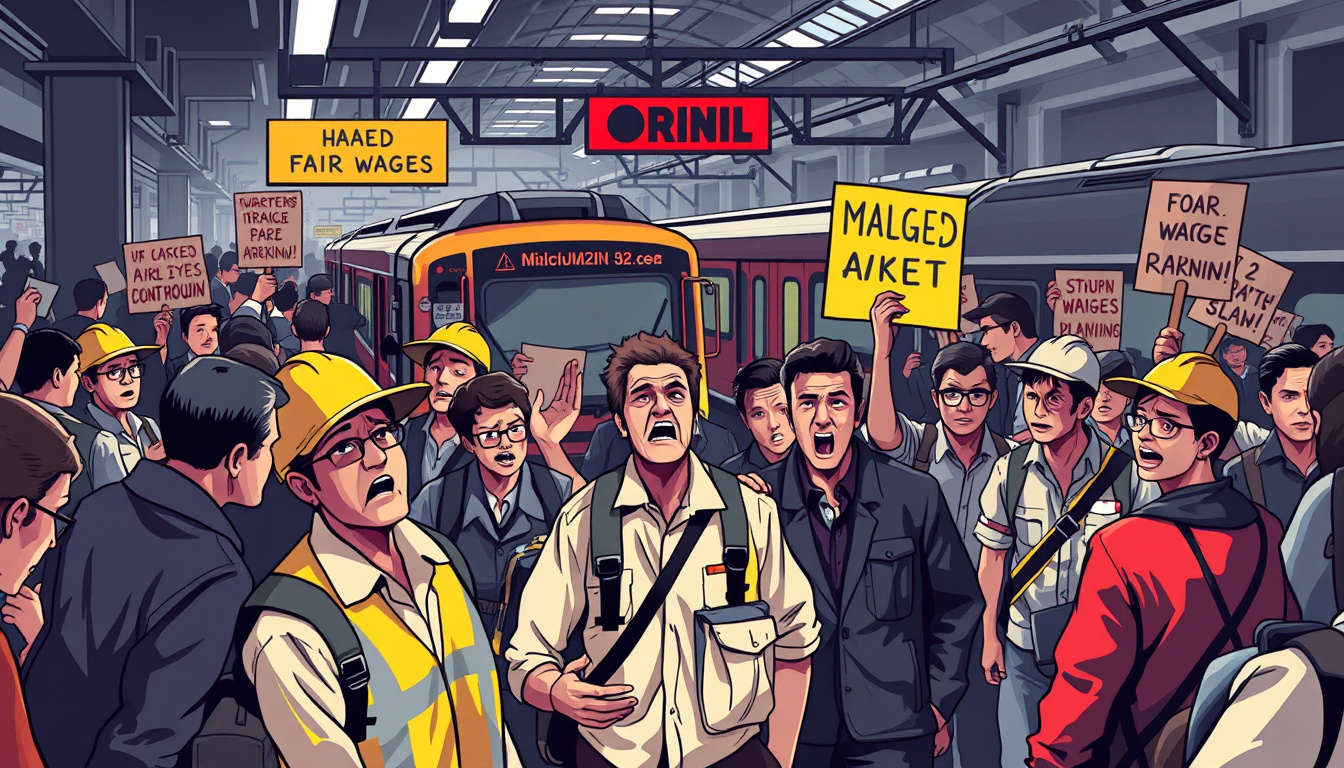
Key Takeaways
- The LIRR strike has caused significant commuting disruptions for nearly 300,000 daily riders.
- Union workers are demanding fair wages after three years without raises amidst stalled contract negotiations.
- Major employers have encouraged staff to work remotely to mitigate the chaos caused by the strike.
Impact on Commuters and Local Economy
The Long Island Rail Road (LIRR) strike, now in its third day, has sent shockwaves through the New York City area, severely impacting both commuters and the local economy.
Over 3,500 workers from five unions have walked off the job, protesting failed contract negotiations with the Metropolitan Transportation Authority (MTA).
With LIRR services completely suspended, the MTA is urging commuters to explore remote work options while providing only limited shuttle bus services that can barely accommodate a fraction of the nearly 300,000 daily riders dependent on this critical rail service.
This disruption comes at a particularly inopportune time, as it coincides with the upcoming Memorial Day weekend, traditionally a peak travel period to popular beach destinations.
In light of the ongoing strike, major employers such as JPMorgan and Citigroup have advised their employees to work remotely, further highlighting the strike's reach beyond public transportation alone.
As tensions rise, the National Mediation Board has intervened to mediate, but initial discussions have not resulted in a resolution, and further negotiations are in the pipeline.
Union leaders stress that their wage proposals are reasonable, having received backing from federal review panels, especially considering their members have not received pay raises in three years.
They are adamant about not bearing the brunt of the MTA's mismanagement any longer.
As both sides continue to navigate this contentious negotiation process, the impacts on daily commuters and the broader economy will be felt for the foreseeable future.
Union Demands and Negotiation Challenges
As the LIRR strike escalates, the stakes for both union members and commuters become increasingly high.
The initial demands from union negotiators revolve around fair wage increases that reflect the rising cost of living and the dedication of their workforce during challenging economic periods.
Negotiation challenges stem from contrasting perspectives on financial sustainability within the MTA and the importance of adequately compensating those who keep public transport running smoothly.
Union representatives argue that years of stagnation in pay have led to a depletion of morale among workers, while the MTA maintains that budget constraints limit their ability to meet these wage demands.
This ongoing standoff raises critical questions about labor rights and the future of public transport in one of the nation's busiest metropolitan areas as negotiations continue amid widespread disruption.