Maine vs. USDA: The Controversial Battle Over Federal Funding and Title IX
April 10, 2025
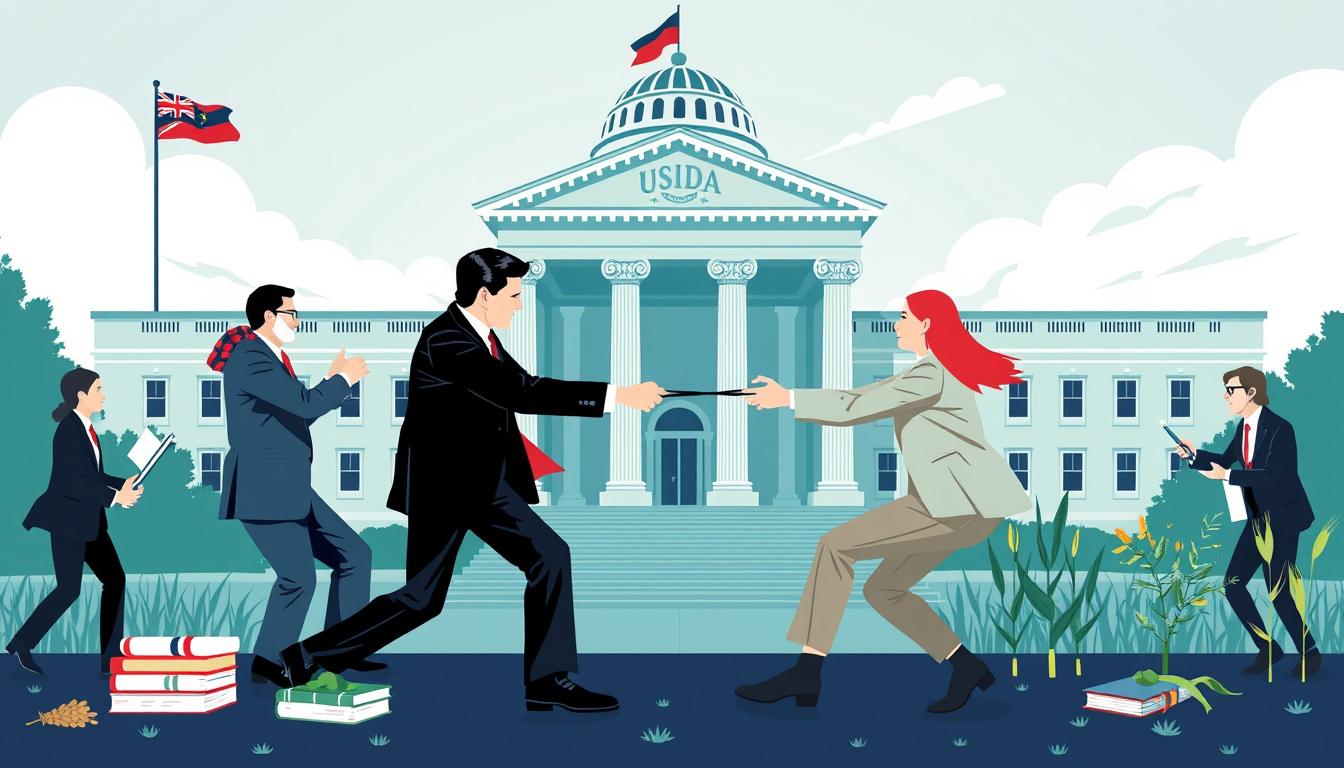
In recent months, a contentious legal battle has emerged between the state of Maine and the U.S.
Department of Agriculture (USDA) over federal funding and Title IX compliance.
At the heart of this issue is Maine's policy allowing transgender girls to compete in female sports, which the USDA argues contravenes Title IX regulations aimed at preventing discrimination against female athletes.
As Maine challenges the USDA's decision to freeze federal funding in a lawsuit filed in U.S.
District Court, the implications of this case reach far beyond the courtroom, affecting school meal programs, child nutrition efforts, and the future of transgender rights in sports.
This article delves deeper into the background of this lawsuit, the significance of Title IX, and the broader ramifications of federal funding in educational contexts.
Key Takeaways
- Maine is suing the USDA over a funding freeze due to its inclusion of transgender athletes in female sports.
- The USDA contends that Maine's policy violates Title IX regulations aimed at protecting female athletes.
- The outcome of this case could significantly impact federal funding for school meal programs and educational discrimination issues.
Background of Maine's Lawsuit Against the USDA
Maine's lawsuit against the U.S.
Department of Agriculture (USDA) arises from a contentious policy allowing male athletes to compete in female sports, which the USDA claims breaches Title IX regulations put in place to safeguard female athletes from discrimination.
On April 2, Secretary Brooke Rollins notified Governor Janet Mills about the suspension of federal funding, stating concerns for female students competing against their male counterparts.
Consequently, Maine filed its lawsuit on April 7 in the U.S.
District Court, asserting that the USDA's decision was not only unlawful but also failed to meet the necessary legal standards for terminating federal assistance.
The state articulates that this funding freeze jeopardizes vital services, particularly in school meal programs that are crucial for child nutrition.
Maine's legal stance highlights that federal courts have previously upheld the rights of transgender girls to participate on women’s teams, thereby challenging the USDA’s view of Title IX.
In its pursuit, Maine is seeking both a temporary restraining order and a permanent injunction to reinstate funding.
This lawsuit follows earlier investigations by the Department of Health and Human Services, which found that Maine may not have adhered to Title IX laws, further complicating the situation.
Additionally, the USDA's review of past grants awarded to the Maine Department of Education raises further questions about compliance with federal educational objectives.
The implications of this legal confrontation extend beyond Maine, as the Biden Administration has established a Title IX Special Investigations Team to manage a growing number of complaints linked to educational discrimination within similar frameworks.
Implications of Title IX and Federal Funding for Schools
The implications of Title IX and federal funding for educational institutions are far-reaching and complex, especially in light of recent legal battles like Maine's lawsuit against the USDA.
Title IX, enacted to ensure equal opportunities for all genders in educational settings, has come under scrutiny as societal norms evolve concerning gender identity and athletics.
The USDA's decision to freeze federal funding due to Maine's policy on transgender athletes raises critical questions about balancing the rights of transgender individuals against the protections afforded to cisgender female athletes.
This legal dispute reflects a broader national conversation about inclusivity in sports and the responsibility of educational institutions to comply with federal regulations while advocating for the rights of all students.
The potential outcomes of this case could set significant precedents affecting how Title IX is interpreted and enforced across the United States, influencing not just athletic policies but also broader issues of equality and discrimination within schools.