Navigating Global Trade Turbulence: How the Iran Conflict Threatens Supply Chains and Energy Markets
May 10, 2026
In recent months, the world has watched as the conflict centered around Iran has escalated, sparking significant concerns for global trade and energy stability.
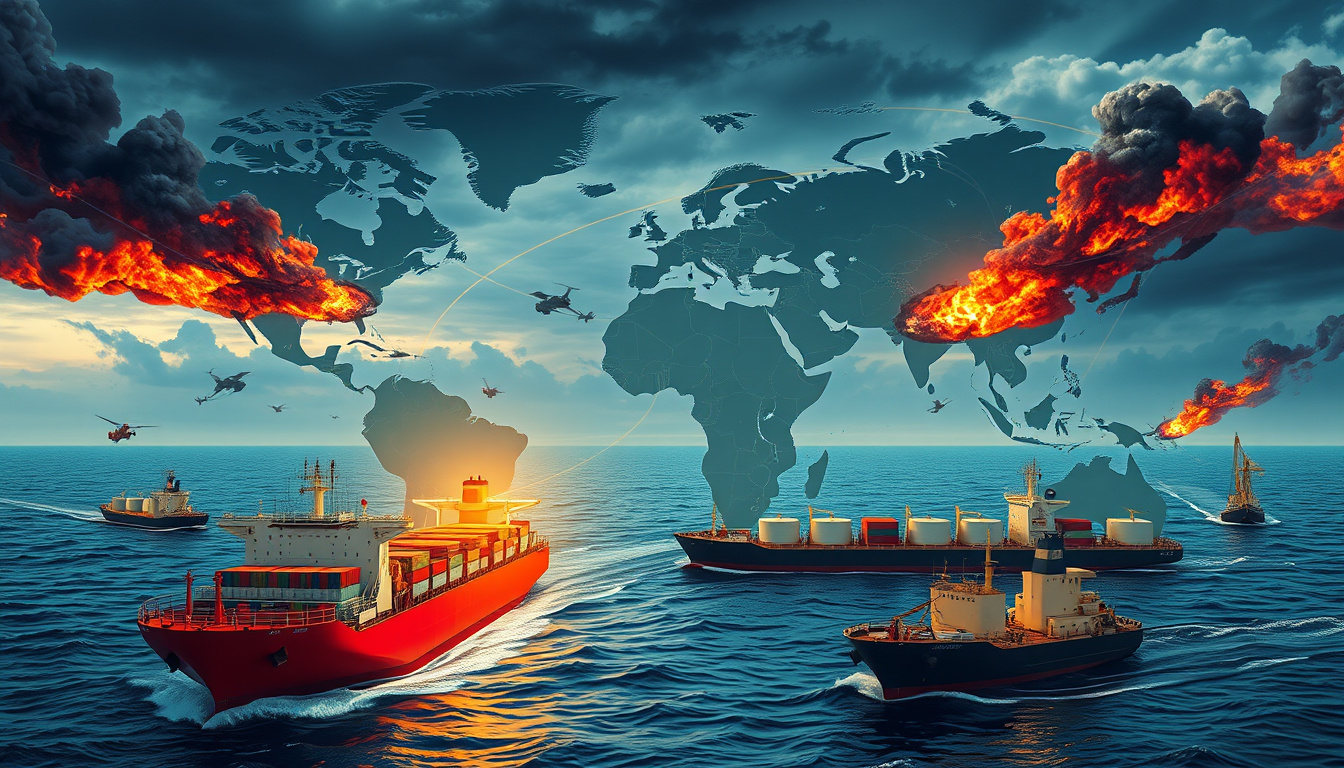
The Strait of Hormuz, a vital maritime chokepoint for oil shipments, stands at the center of this turbulence, with the potential closure threatening to disrupt supply chains and fuel markets on a global scale.
As Maersk CEO Vincent Clerc recently pointed out, the consequences of these developments are far-reaching, reshaping macroeconomic conditions and logistics while heightening fears of an impending crisis.
In this article, we will delve into how the ongoing conflict affects global supply chains, the potential future projections for energy markets and trade, and the steps being taken to navigate these turbulent waters.
Key Takeaways
- The ongoing Iran conflict poses a critical threat to global trade by potentially closing the Strait of Hormuz.
- Oil executives warn that prolonged disruptions could lead to significant crude oil shortages and skyrocketing prices.
- The need for resilient supply chains has become paramount as the conflict continues to impact global logistics and consumer confidence.
Impacts of the Iran Conflict on Global Supply Chains
The ongoing conflict in Iran is having profound implications for global supply chains, particularly in the context of maritime trade.
Maersk CEO Vincent Clerc has highlighted the strategic importance of the Strait of Hormuz, a vital maritime chokepoint through which a significant portion of the world's oil supply is transported.
Should this route remain closed for an extended period, it could trigger a global energy and trade crisis of unprecedented scale.
Industry experts, including oil executives like Frederic Lasserre from Gunvor and analysts at JPMorgan, echo this sentiment, warning of a looming crude oil shortage if disruptions persist, pinpointing June as a critical juncture for the sector.
The conflict has brought about a shift in macroeconomic conditions, eroding consumer confidence globally.
In its latest earnings report, Maersk noted the uncertainties introduced by the Iran war into an already fragile economic landscape, projecting crude oil prices to hit between $90 and $100 per barrel—a scenario that could suppress anticipated growth in global container demand of only 2% to 4%.
In response to these challenges, the shipping giant calls for bolstering supply chain resilience, emphasizing that the Iran conflict could deepen and extend its effects on crucial energy markets.
As diplomatic negotiations drag on and tensions continue to simmer, both Asia and Europe brace for potentially dire consequences, including fuel shortages, ballooning shipping costs, and widespread economic instability.
Future Projections for Energy Markets and Trade
The implications of the Iran conflict on energy markets cannot be underestimated, especially as they interact with the broader global economy.
As geopolitical tensions escalate, shipping costs are likely to rise due to increased insurance rates and security measures, impacting not only oil transport but also the movement of goods across various sectors.
Companies are exploring alternative routes and sources to mitigate the risks associated with a potential closure of the Strait of Hormuz, which handles a significant percentage of global oil supply.
With crude oil prices projected to remain high, industries reliant on oil-based products may face elevated operating costs, leading to a cascading effect across supply chains.
Moreover, the impact of these developments extends beyond economics; consumer behavior may shift as uncertainty looms, prompting individuals and businesses alike to reassess their energy consumption and spending patterns in response to fluctuating prices.
As the situation evolves, staying informed is crucial for stakeholders across the energy and shipping sectors to navigate potential disruptions and seize opportunities within this volatile landscape.