New 10% Tariffs on Imports from 60 Countries: U.S. Targets Forced Labor Violations to Protect American Workers
June 3, 2026
In a significant move aimed at protecting American workers and addressing human rights abuses, the U.S.
Trade Representative recently announced a proposal for new tariffs of at least 10% on imports from 60 countries, citing concerns over forced labor violations.
This initiative follows the U.S.
Supreme Court's recent decision which struck down previous tariff provisions, a move that has reignited discussions on fair trade practices and enforcement of labor laws across international borders.
As global awareness of forced labor issues rises, the U.S.
government is making a firm statement: countries that turn a blind eye to labor exploitation can expect economic repercussions.
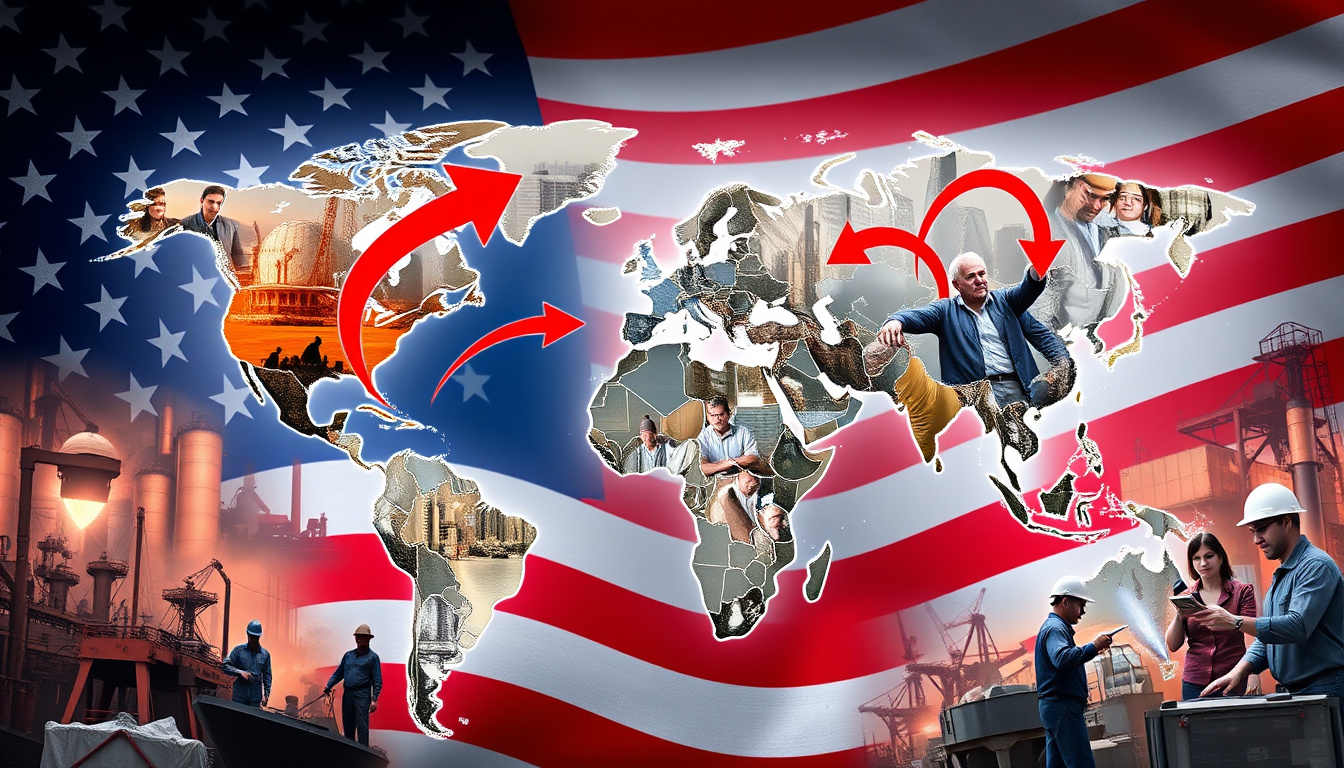
Key Takeaways
- The U.S. is proposing new tariffs of at least 10% on imports from 60 countries to combat forced labor practices.
- Higher tariffs of
12.5% may be imposed on countries like China and India for inadequate enforcement against forced labor. - Public hearings will be held to review the proposal, potentially leading to further adjustments in international trade tariffs.
Overview of the New Tariffs
The recent announcement by the U.S.
Trade Representative regarding a proposed new round of tariffs is set to reshape international trade relations.
This initiative introduces a baseline tariff of at least 10% on imports from 60 countries, addressing critical issues surrounding forced and slave labor in production processes.
This move is a direct response to a recent Supreme Court ruling that invalidated previous tariffs aimed at protecting American jobs from unfair competition.
Key regions such as Canada, Mexico, the European Union, and Taiwan will face the standard 10% tariff, while countries like China and India are looking at potentially increased tariffs of
12.5% due to their failure to adequately enforce bans on imports linked to forced labor.
U.S.
Trade Representative Jamieson Greer has underscored the importance of holding trading partners accountable and pushing for more robust enforcement mechanisms against labor violations.
As part of this initiative, there will be a public review process, with hearings scheduled for late June and early July, creating an opportunity for stakeholders to voice their opinions.
Trade policy experts are cautioning that these developments may trigger a chain reaction of tariff adjustments among nations, further complicating global trade dynamics.
As companies and consumers alike navigate these changes, the spotlight remains on the ethical implications and the long-term impact on both American workers and international labor standards.
Implications for U.S. Trade Relations and Workers
As the U.S.
takes a firm stance against imports produced under duress, the implications for American workers and the broader trade environment are significant.
The proposed tariffs are intended to level the playing field for U.S.
businesses that are committed to ethical labor practices.
By applying a 10% tariff on goods from countries that have not made sufficient efforts to combat forced labor, the U.S.
government aims to discourage the importation of products made through exploitative means.
This could result in a slight increase in goods prices for American consumers, but advocates argue that supporting fair labor practices is worth the cost.
Workers in industries such as textiles, electronics, and agriculture, which frequently import foreign goods, may see improved job security as American companies are incentivized to source domestically or from countries with higher labor standards.
Furthermore, such tariff measures could ignite a global discussion on labor rights, pressuring other nations to enhance their enforcement against labor abuses, ultimately fostering a more ethical global trade landscape.