Nickel Prices Surge as Indonesia Cuts Output from Weda Bay Mine: What This Means for Global Markets
February 11, 2026
Nickel is a vital metal that plays a significant role in various industrial applications, most notably in the manufacturing of stainless steel and electric vehicle (EV) batteries.
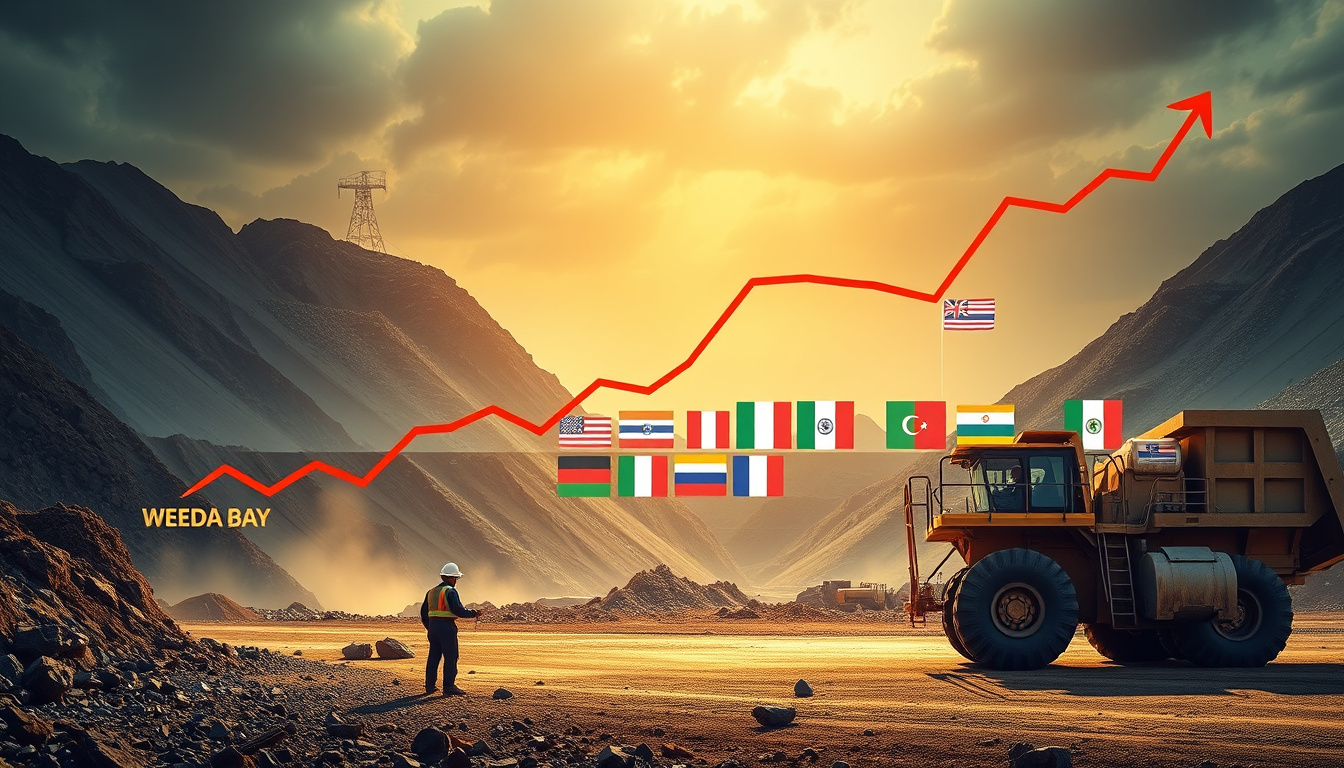
Recently, the nickel market has witnessed a notable surge in prices, primarily driven by Indonesia's decision to impose significant production cuts at the Weda Bay Nickel mine.
This article explores the ramifications of these cuts on nickel prices and the broader global market context.
Key Takeaways
- Indonesia's significant cut in nickel production at the Weda Bay mine is driving a surge in global nickel prices.
- The Indonesian government aims to stabilize the market by drastically reducing output despite the resulting challenges for miners like Eramet.
- Decreased demand from the electric vehicle sector is causing shifts in production focus among battery manufacturers.
Impact of Indonesia's Production Cuts on Nickel Prices
Indonesia, a key player in the global nickel market, has implemented significant production cuts that are altering the landscape for nickel prices worldwide.
Following the Indonesian government's directive for Weda Bay Nickel, the largest nickel mine globally, to slash output, nickel futures surged by
2.8% on the London Metal Exchange.
This directive limits the mine's production to just 12 million tons for 2026, a stark reduction from the previously permitted 42 million tons in
2025.
This strategic move aims to counteract a prolonged decline in nickel prices tied to oversupply in the market, which Indonesia, responsible for approximately 65% of global nickel production, has been pivotal in addressing.
The situation has created a ripple effect; while nickel futures responded positively, with investors showing renewed interest, Eramet—a French mining company that operates Weda Bay Nickel under a joint venture with Tsingshan Holding Group—experienced a 5% drop in its stock price.
This dichotomy illustrates the complexities within commodity markets, where production cuts intended to stabilize prices can simultaneously impact shares negatively due to concerns over future production capabilities.
As international nickel producers like BHP and Anglo American grapple with excess supply leading to mine closures and asset divestitures, Eramet's management remains optimistic.
They are actively engaging with Indonesian authorities to negotiate future production quotas that can serve both market health and operational viability.
Moreover, as the demand for nickel, a critical component in stainless steel and electric vehicle (EV) batteries, continues to evolve—especially with a noticeable slowdown in EV battery demand as manufacturers pivot towards grid-scale solutions—the focus on careful management of nickel supply has never been more crucial.
In summary, with Indonesia's decisive production cuts reshaping nickel dynamics, stakeholders must navigate the balance between fostering market stability and addressing shifting demand patterns.
Long-term Implications for the Global Nickel Market
The global nickel market is poised for significant shifts as Indonesia's recent production cuts are likely to redefine supply dynamics and pricing strategies for years to come.
The Indonesian government's directive to limit output at Weda Bay Nickel significantly impacts international markets, where Indonesia already plays a dominant role by contributing about 65% of the world's nickel supply.
This decision to cap production at just 12 million tons for 2026, a vast reduction from the bench of 42 million tons, aims to stabilize falling prices that have plagued the nickel sector due to excess supply.
As key players such as BHP and Anglo American face challenges from surplus production leading to operational cuts, Eramet's quest for more favorable production levels exemplifies the ongoing need for dialogue between mining companies and regulatory bodies.
Furthermore, with the rising importance of sustainability and alternative energy solutions, the market’s response reflects broader trends, including the shift away from traditional battery production towards grid-scale applications.
Therefore, understanding these long-term implications provides essential insights for investors, manufacturers, and policymakers navigating the evolving landscape of the nickel industry.