Oil Prices Plummet Amid U.S.-Iran Ceasefire Talks: Trump’s Strategy and Regional Tensions Explained
June 4, 2026
In recent weeks, the geopolitical landscape has been markedly affected by the renewed tensions between the United States and Iran, particularly following comments from President Donald Trump regarding a potential ceasefire.
This development has not only shifted the dynamics of U.S.-Iran relations, but it has also led to significant fluctuations in global oil prices.
As President Trump asserts that the U.S.
will refrain from further military action unless American troops are threatened, the implications for the oil market, regional conflicts, and diplomatic negotiations are substantial.
This article delves into Trump's current strategy, the impact of the House vote on war powers, and the ongoing regional tensions that are contributing to instability in oil markets.
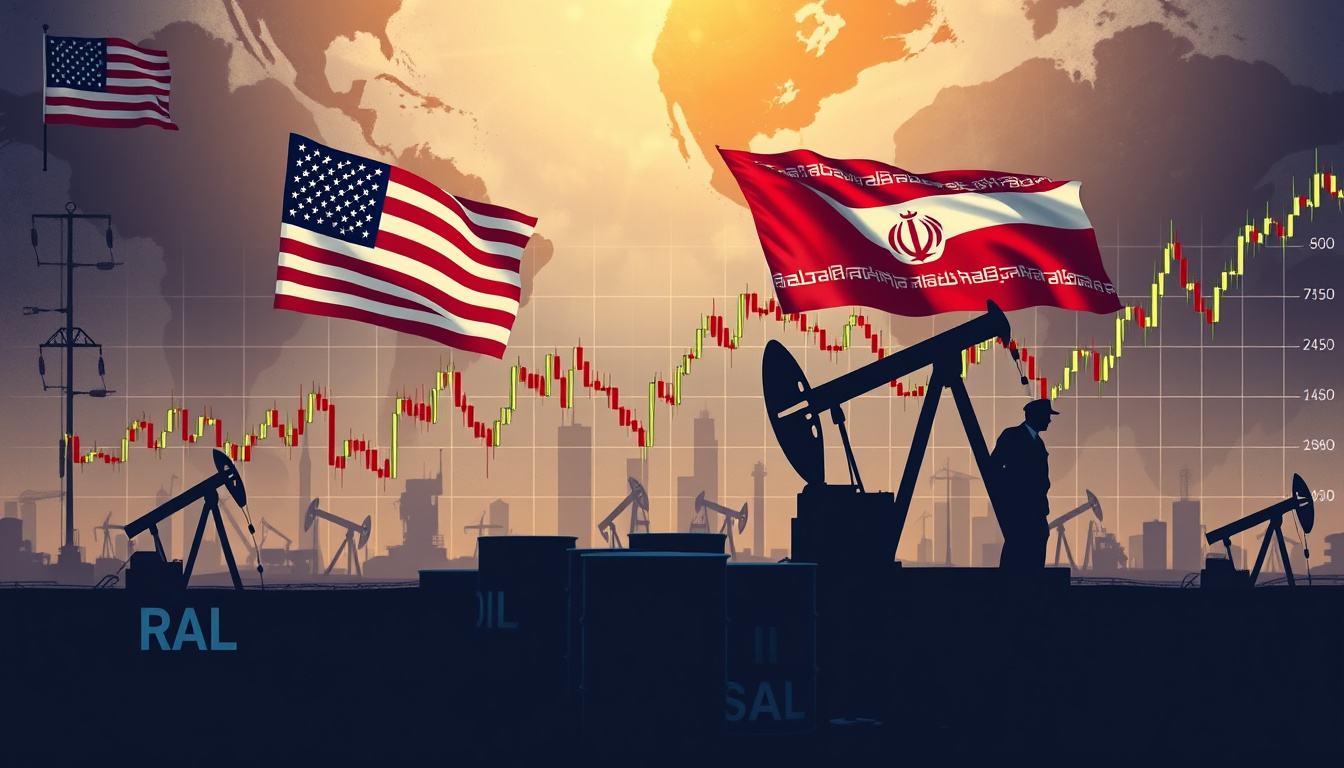
Key Takeaways
- Oil prices have fallen significantly amid U.S.-Iran ceasefire negotiations sparked by President Trump's recent statements.
- Trump's approach is characterized by restraint, prioritizing American troop safety while navigating ongoing regional conflicts.
- Congress's vote to limit Trump's war powers highlights increasing bipartisan disagreements over military engagement in the Middle East.
Trump's Strategy and the Impact on Oil Prices
In the complex landscape of international relations, President Trump's recent statements concerning U.S.-Iran conflict dynamics have significantly influenced oil prices, much to the attention of economists and political analysts alike.
With the U.S.
maintaining a ceasefire with Iran—conditional upon the safety of American troops—oil prices have seen a notable decrease.
Trump's rhetoric criticizing Republican lawmakers who have sought to limit his military powers indicates a strategic pivot in his approach; he emphasizes that he is in 'final negotiations to end the War.' This assertion comes amidst claims from Iran denying any direct negotiations, illustrating the uncertainty inherent in the region’s geopolitical climate.
The recent House vote limiting Trump's war powers, which narrowly passed at 215-208, underscores a shift in political sentiment, with even some Republicans dissenting from the administration’s stance.
The conflict, which was initially expected to be a swift operation, has extended beyond 100 days, complicating the political narrative surrounding U.S.
military engagement abroad.
Trump's strategy appears to lean towards restraint—eschewing large-scale military actions unless provoked, reflecting a careful balance of maintaining military readiness without further destabilizing international oil markets.
Further complicating this situation are remarks from Secretary of State Marco Rubio who described recent maneuvers as defensive actions against Iranian threats.
The potential for a ceasefire in Lebanon, contingent on Hezbollah's actions, could add another layer of complexity to ongoing U.S.-Iran negotiations.
As these geopolitical tensions continue to unfold, the oil market remains vigilant, influenced by both direct confrontations and the broader implications of U.S.
foreign policy, marking a pivotal moment for traders and analysts watching how these developments shape future oil price trajectories.
Regional Tensions and the Path to Ceasefire
As the geopolitical landscape remains fraught with uncertainty, the dialogue surrounding U.S.-Iran relations underscores the broader implications of regional tensions on global oil markets.
Oil prices are particularly sensitive to any shifts in military engagements or diplomatic discussions, and with President Trump signaling a commitment to a ceasefire barring threats to American troops, market analysts are closely monitoring these developments.
The administration's pivot towards restraint, coupled with the recent House vote limiting Trump's war powers, has caused ripples throughout the oil industry.
The narrow margin of that vote, featuring bipartisan dissent, reflects growing public and political scrutiny of ongoing military actions.
Moreover, Secretary of State Rubio's characterization of U.S.
actions in the region as defensive strikes a chord with those wary of escalating hostilities.
Alongside these considerations, the potential influence of Hezbollah's compliance in Lebanon on U.S.-Iran negotiations adds yet another layer of complexity.
As stakeholders in the oil market assess how these political maneuvers may inform future engagements, a delicate balance will be required to navigate both diplomatic and economic challenges ahead.