Orbán and Putin: Strengthening Energy Ties Amidst Ukraine Conflict
November 30, 2025
In the complex geopolitical landscape of Eastern Europe, few relationships have generated as much scrutiny and analysis as that between Hungary and Russia.
Recently, Hungarian Prime Minister Viktor Orbán made headlines during his visit to Moscow, where he conferred with Russian President Vladimir Putin about crucial energy supplies amid the ongoing conflict in Ukraine.
This article delves into the implications of their meeting, particularly focusing on Hungary's reliance on Russian energy, and the strategic partnership that appears to be strengthening despite the backdrop of escalating tensions in the region.
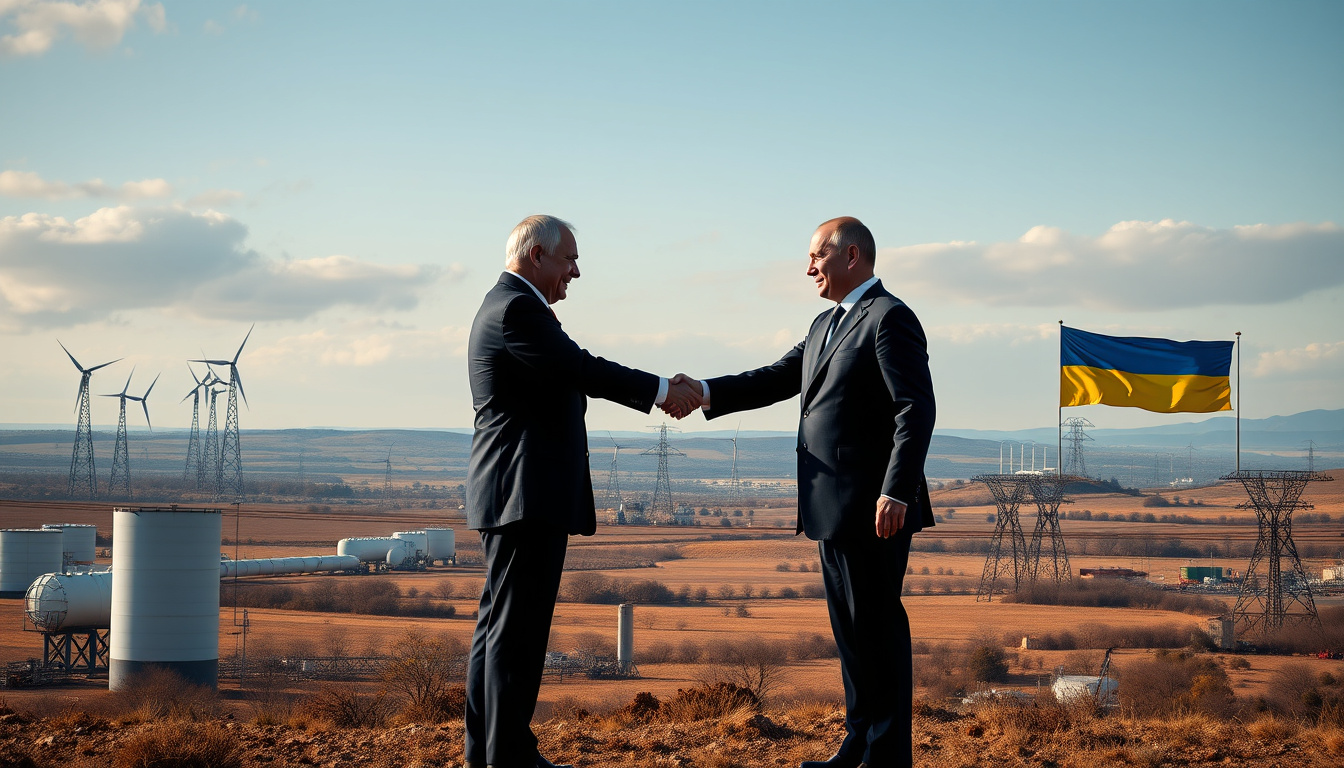
Key Takeaways
- Hungary remains reliant on Russian energy for economic stability amid the Ukraine conflict.
- Orbán and Putin's discussions emphasize the historical ties and mutual benefits of energy cooperation.
- The meeting highlights Orbán's critical stance on Ukraine while seeking peace talks and energy security.
Hungary's Energy Dependence on Russia
Hungary's energy dependence on Russia has become a focal point in recent geopolitical discussions, particularly following Hungarian Prime Minister Viktor Orbán's visit to Moscow.
During this pivotal meeting with Russian President Vladimir Putin, the central theme revolved around ensuring the continuity of energy supplies, specifically oil and gas, from Russia to Hungary.
Despite the ongoing turmoil resulting from the Ukraine conflict, Orbán underscored Hungary's reliance on Russian energy resources, emphasizing that they offer a more affordable alternative compared to international market prices.
This affordability is crucial for maintaining Hungary's economic stability, especially in times of rising energy costs worldwide.
Both leaders acknowledged the long-standing historical ties between Hungary and Russia, signaling a pragmatic approach to their relationship.
Orbán highlighted the importance of Russian energy to Hungary's energy security, asserting that it is integral not only now but also for future energy needs.
The discussions also touched on potential peace initiatives regarding Ukraine, including a proposed peace summit that was slated to take place in Budapest but has since stalled.
Putin commended Orbán for his realistic stance on the geopolitical situation, while Orbán did not shy away from criticizing the Ukrainian government, particularly concerning issues of corruption that he associates with the country's energy strategy.
This partnership on energy matters appears to benefit both Budapest and Moscow, reinforcing Hungary's strategic approach to energy sourcing amidst a complicated European landscape.
Implications of Orbán and Putin's Cooperation
The cooperation between Orbán and Putin highlights a significant shift in Hungary's foreign policy orientation, navigating through the complexities of European energy dependence.
Hungary's reliance on Russian energy is not merely about resource accessibility; it intertwines with broader economic implications and national security strategies.
As Europe grapples with fluctuating energy markets and geopolitical tensions, Hungary’s steadfast commitment to sourcing energy from Russia positions it uniquely within the EU landscape.
This relationship raises questions about the balance between national interests and collective European policies, especially as other EU nations adopt more stringent measures against Russian energy imports in light of the ongoing conflict in Ukraine.
Furthermore, by prioritizing energy collaboration, Orbán denotes a divergence from EU stances, potentially isolating Hungary from broader European consensus while portraying himself as a pragmatist amidst chaos.