Pentagon Deploys Military Lawyers to Tackle Immigration Court Backlogs and Deport Criminal Aliens
September 3, 2025
In a significant move to address the growing backlog in immigration courts, the Pentagon has announced the mobilization of up to 600 military lawyers to serve as temporary immigration judges alongside the Department of Justice (DOJ).
This initiative, driven by a request from the Department of Homeland Security (DHS), is part of the Trump administration's proactive approach to enforcing immigration laws and expediting the deportation of criminal illegal aliens.
Led by Defense Secretary Pete Hegseth, this operation not only underscores the military's role in tackling domestic issues but also reflects the administration's broader commitment to law and order in the face of rising crime rates in urban areas.
In this article, we will explore the implications of this deployment, its potential effects on immigration court proceedings, and the intersection of national security with domestic crime policy.
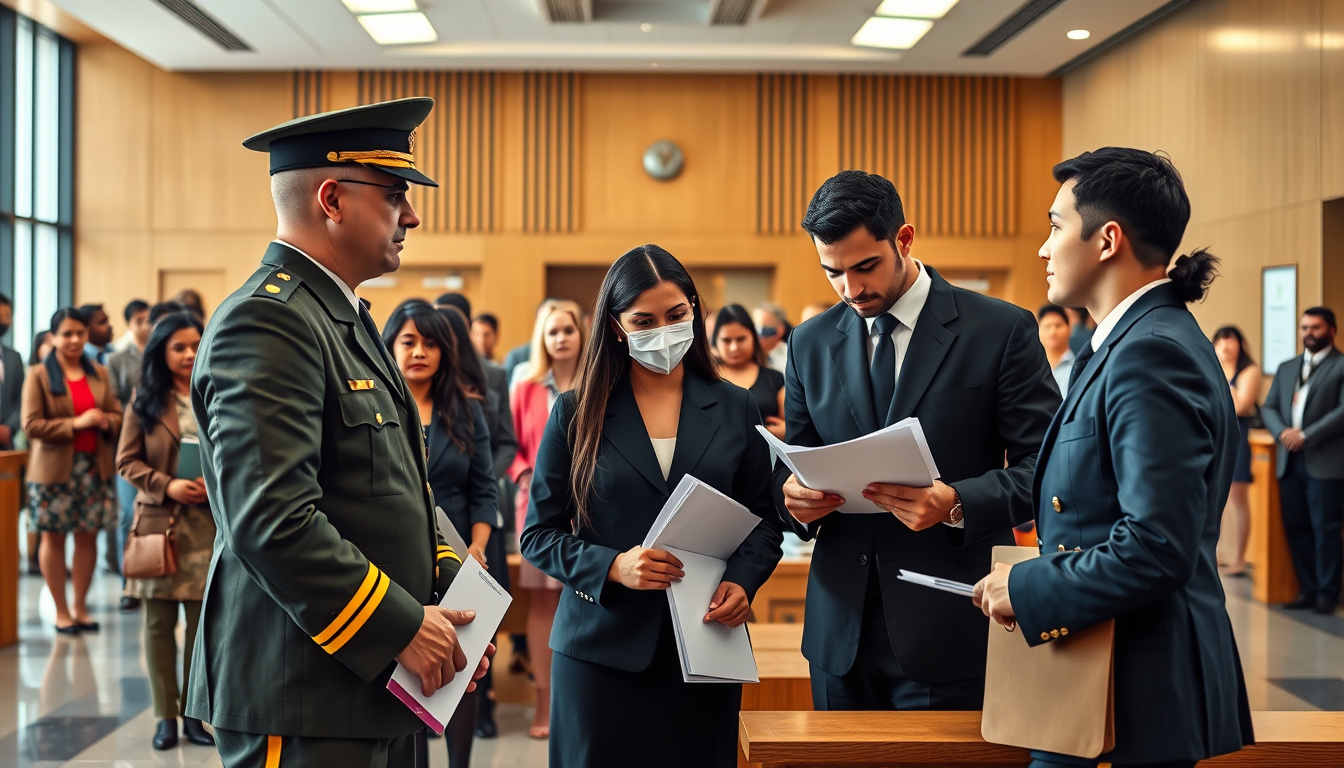
Key Takeaways
- The Pentagon is deploying 600 military lawyers to help address immigration court backlogs and facilitate the deportation of criminal illegal aliens.
- This initiative supports the Trump administration's crackdown on illegal immigration and aims to expedite legal proceedings in immigration courts.
- The deployment of military lawyers coincides with increased law enforcement efforts in urban areas to combat rising crime rates.
Overview of the Pentagon's Deployment of Military Lawyers
The Pentagon's recent decision to deploy up to 600 military lawyers as temporary immigration judges marks a significant shift in the approach to managing immigration enforcement under the Trump administration.
This initiative, announced by Defense Secretary Pete Hegseth in conjunction with a request from the Department of Homeland Security (DHS), seeks to expedite the deportation process for illegal aliens convicted of crimes, thereby alleviating the burdens faced by the overwhelmed immigration court system.
Initially, a group of 150 legal experts from the Judge Advocate General's Corps (JAG) is slated to begin their roles within the Department of Justice (DOJ) shortly.
This move is essential, as it aims to reduce the considerable backlog in immigration cases, which has become a growing concern as the nation grapples with illegal immigration challenges and rising crime rates in urban areas.
Alongside the deployment of military lawyers, the Trump administration is also mobilizing National Guard troops in Washington, DC, to address issues linked to crime exacerbated by previous progressive policies.
These developments underscore a renewed commitment to law and order and coincide with federal strategies aimed at tackling rising crime in cities like Chicago and Baltimore.
As the administration reinforces its focus on both immigration and criminal justice reform, the integration of military legal expertise in immigration proceedings exemplifies a proactive stance towards ensuring a more efficient legal process.
Impact on Immigration Courts and Crime Policy
The deployment of military attorneys to immigration courts not only aims to streamline legal proceedings but also reflects a broader strategy to reinforce national security and public safety.
By incorporating the skills of experienced lawyers from the Judge Advocate General's Corps, the administration seeks to tackle the pressing backlog of immigration cases more effectively and expeditiously.
This initiative is particularly pertinent as immigration courts have faced unprecedented delays and challenges in recent years, leaving many individuals in legal limbo while their cases are adjudicated.
With the added manpower, the aim is to enhance the judicial process and ensure that cases involving illegal immigrants with criminal records are handled swiftly and justly, reinforcing a firm stance against illegal immigration while simultaneously promoting accountability within the legal framework.
Additionally, this move is expected to resonate with voters concerned about crime rates, demonstrating the government's commitment to addressing both immigration and public safety issues in a comprehensive manner.