Record High Ground Beef Prices: What You Need to Know About the Cattle Crisis and Future Recovery
July 28, 2025
In recent months, American consumers have felt the impact of spiraling ground beef prices at their grocery stores, with prices reaching unprecedented levels.
This surge is linked directly to a severe decline in the national cattle herd, which is now at a staggering low of
94.2 million, the smallest mid-year total since
1973.
In this article, we will delve into the factors contributing to this cattle crisis, discuss its ramifications for the beef industry, and explore projections for recovery.
Understanding these dynamics is crucial not only for stakeholders in the agriculture sector but also for consumers who are affected by rising meat prices in their everyday lives.
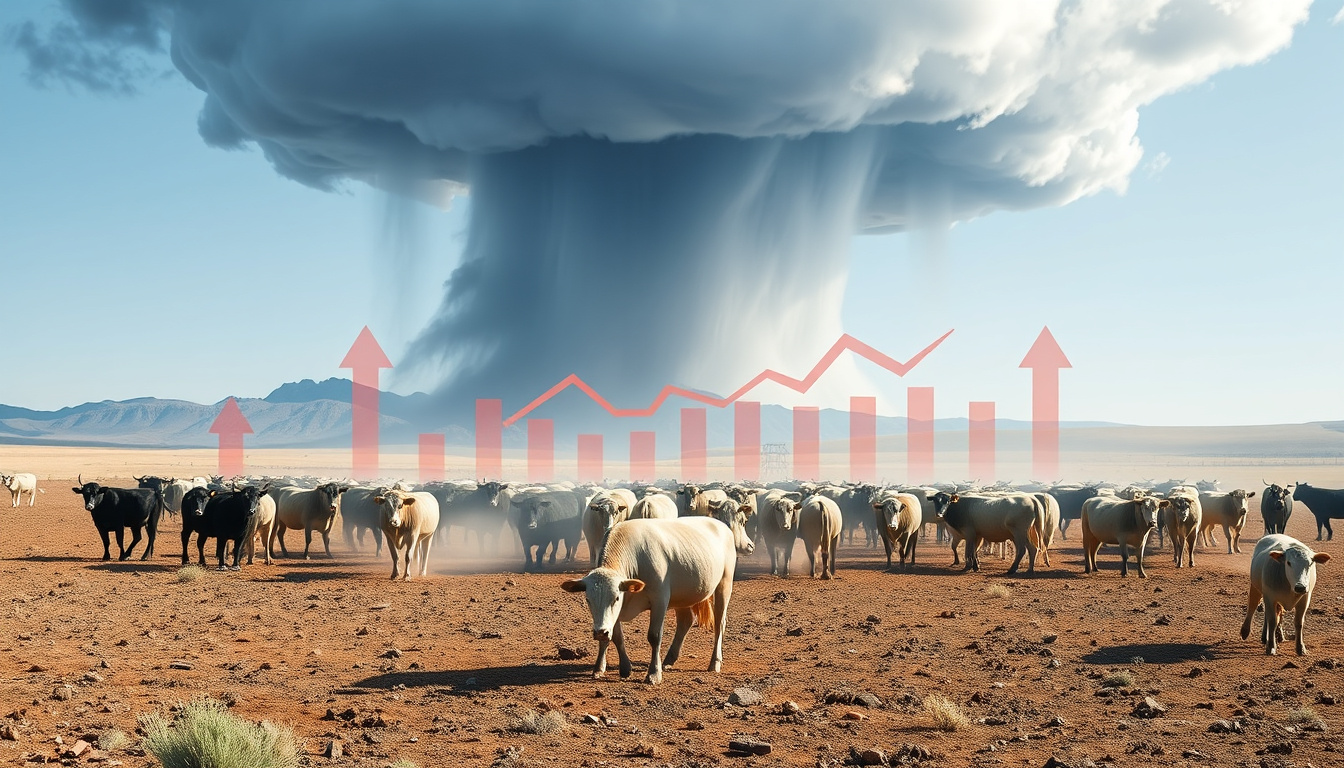
Key Takeaways
- Ground beef prices have hit record highs due to the lowest cattle herd size since
1973. - Experts suggest a gradual recovery for the cattle industry, but evidence of herd rebuilding is currently weak.
- Monopolistic practices in beef processing underscore the need for increased competition to stabilize prices.
Understanding the Causes of the Cattle Crisis
# Understanding the Causes of the Cattle Crisis In recent months, ground beef prices in the United States have skyrocketed, reaching record highs that have left consumers and industry experts alike searching for answers.
At the heart of this crisis is a significant decline in the cattle and calves herd, which has plummeted to
94.2 million—the lowest mid-year figure observed since
1973.
According to a report from the U.S.
Department of Agriculture (USDA), there are whispers of a potential herd recovery, but experts remain skeptical about the evidence supporting such an optimistic outlook.
While heifer numbers in Midwest feedlots appear to have stabilized, the broader population of beef cows continues to dwindle, signaling a trend toward stabilization rather than growth.
Agricultural economist Derrell Peel highlights a critical indicator of this stagnation: ranchers are currently not holding back female cattle for breeding, showing that a proactive herd rebuilding initiative is not underway.
Complicating matters, analysts from Goldman Sachs indicate that the cattle cycle may have reached a cyclical low point, suggesting the possibility of an eventual rebuilding phase.
However, they caution against expecting a rapid recovery.
Instead, the pattern is likely to unfold gradually, resembling a prolonged 'U' shape, which could significantly affect major beef processing corporations that hold a commanding share of the market.
For instance, a small number of companies control approximately 80% of the beef processing sector, raising red flags among lawmakers like Senator Josh Hawley, who has voiced concerns about the monopolistic nature of this industry.
Hawley advocates for enhanced competition, emphasizing that a more diverse processing ecosystem is crucial for the health of the beef market.
Re-establishing the cattle herd is not just an economic necessity; it is also viewed as a strategic step toward building a more resilient and decentralized food supply chain.
Such efforts could ultimately help mitigate future disruptions, providing a reliable source of beef for consumers and ensuring a stable livelihood for ranchers.
As the cattle industry faces these formidable challenges, ongoing discussions about market structure and herd restoration will shape the future of beef production in the U.S.
Future Projections for the Beef Industry
Looking ahead, the future of the beef industry remains tenuous yet hopeful, as experts closely monitor key indicators that signal potential shifts within the market.
The stabilization of heifer numbers in Midwest feedlots may suggest a pause in decline, yet it does not ensure an immediate turnaround.
The USDA and agricultural economists remain vigilant about the dynamics influencing ranchers' decisions and the overall cattle herd management.
One significant factor is the economic landscape; should beef prices continue to rise, ranchers may be incentivized to invest in herd rebuilding, albeit slowly.
This scenario necessitates a delicate balance; while higher prices might prompt producers to hold back cattle for breeding, it also impacts consumer behavior and demand, underscoring the interconnectedness of market forces.
Furthermore, as concerns about monopolies in the beef processing industry persist, any meaningful change in competition could ultimately influence how ranchers approach herd management, potentially fostering a more sustainable and competitive market environment.