Russia's Stealthy Drones for Iran: A New Threat to U.S. Forces in the Middle East?
May 9, 2026
### Introduction In the ever-evolving landscape of global military power dynamics, the potential partnership between Russia and Iran in the realm of drone technology has raised significant concerns for the United States and its allies.
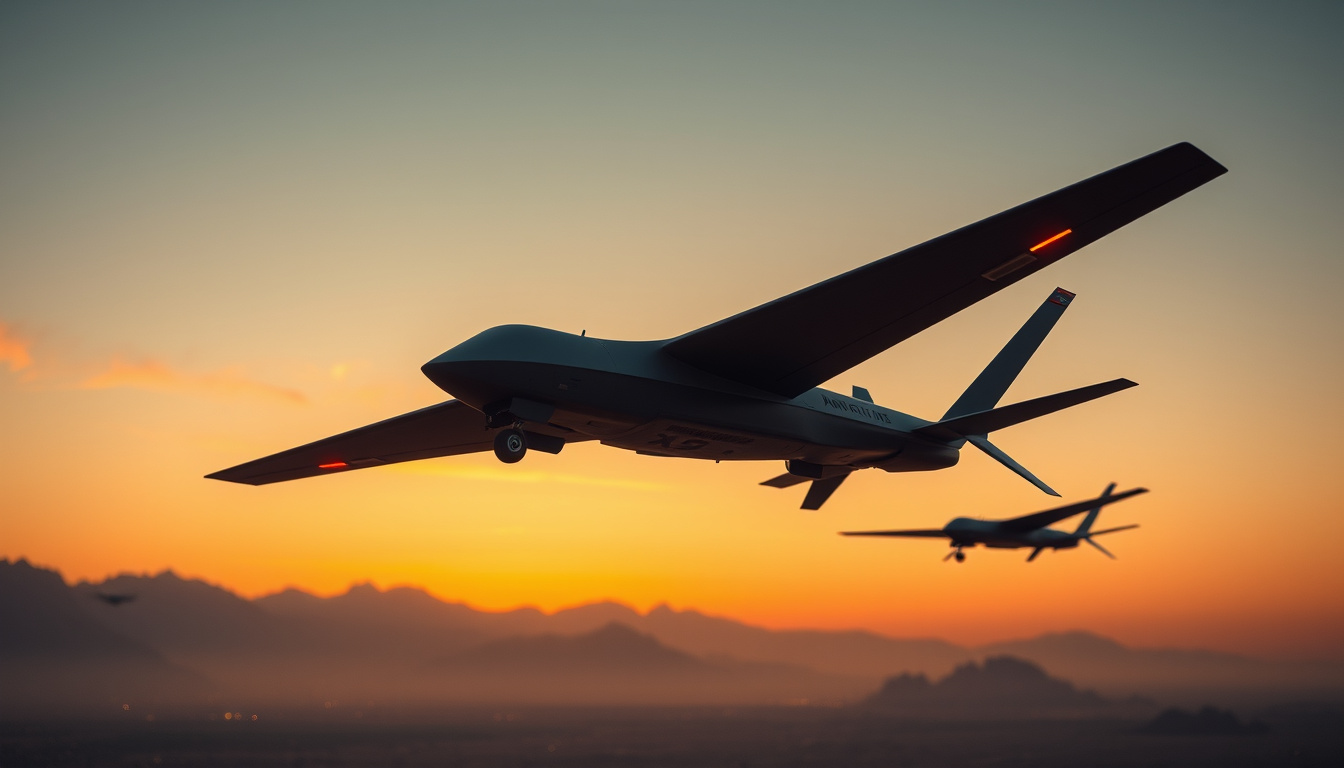
Recent leaked intelligence documents suggest that Russia is contemplating providing Iran with advanced stealth drones, capable of evading electronic jamming systems.
This development not only signals a deepening defense collaboration between the two nations but also potentially heightens the risks faced by U.S.
forces stationed in the Middle East.
As we delve into the implications of this partnership, it’s critical to understand the advancements in drone technology and the strategic considerations at play.
Key Takeaways
- Russia's potential sale of advanced drones to Iran could heighten threats to U.S. forces in the Middle East.
- The reported drone technology is capable of overcoming electronic jamming, enhancing Iran's military operations.
- Despite intelligence reports, official confirmation from Russia or Iran about the drone deal remains absent, raising skepticism about its implementation.
The Implications of Drone Technology in Modern Warfare
The implications of drone technology in modern warfare are profound, particularly as nations increasingly turn to unmanned aerial vehicles (UAVs) to enhance their military capabilities.
Recent reports highlight how advancements in drone technology are shaping geopolitical dynamics, specifically concerning Russia's potential military cooperation with Iran.
A leaked intelligence document has sparked discussions about Russia's plan to provide Iran with advanced drones that are capable of eluding electronic jamming, alongside training intended for attacking U.S.
forces in the Middle East.
This collaboration could involve the deployment of 5,000 short-range fiber-optic drones, noted for their responsiveness and resilience against jamming efforts, which would significantly bolster Iran's operational effectiveness, especially in strategically sensitive areas such as the Strait of Hormuz.
As U.S.
military presence in the region may face increased threats from coordinated drone swarms, the potential ramifications of this alliance cannot be understated.
The ongoing conflict in Ukraine further complicates matters, as it potentially drives greater military ties and support between Russia and Iran amidst shifting global alliances.
Nevertheless, both nations have yet to formally acknowledge these developments, leading to ongoing skepticism about whether such proposals will translate into tangible actions.
The complexities of this situation illustrate the evolving landscape of modern warfare, where drone technology increasingly plays a critical role in shaping military strategic planning and international relations.
Evaluating U.S. Military Preparedness Against Emerging Threats
The strategic importance of the potential partnership between Russia and Iran in the realm of drone technology raises critical questions about U.S.
military preparedness and its capacity to address these emerging threats effectively.
The discussion around the provision of advanced drones to Iran not only highlights the evolving terrain of aerial warfare but also emphasizes the necessity for the U.S.
to reassess its defense strategies in the Middle East.
Given the vulnerability of U.S.
amphibious forces to sophisticated drone swarms, it becomes imperative for military planners to consider proactive measures, which might include enhancing electronic warfare capabilities and improving situational awareness in contested environments.
As tensions in the region continue to escalate, especially with key maritime transit routes at stake, U.S.
forces must urgently adapt to these technological advancements.
Moreover, this potential shift in military dynamics underscores the importance of diplomatic engagement and intelligence gathering, necessary to preemptively address the intricacies of these evolving threat landscapes.