Russia's Strategic Standoff: Venezuela's Military Crisis and U.S. Naval Build-Up Explained
November 3, 2025
In recent months, the geopolitical landscape in the Caribbean has become increasingly tense, particularly with the military crisis unfolding in Venezuela.
This complex situation is further intensified by a significant U.S.
naval buildup in the region, which raises critical questions about the future of Venezuela and its relationship with other global powers, particularly Russia.
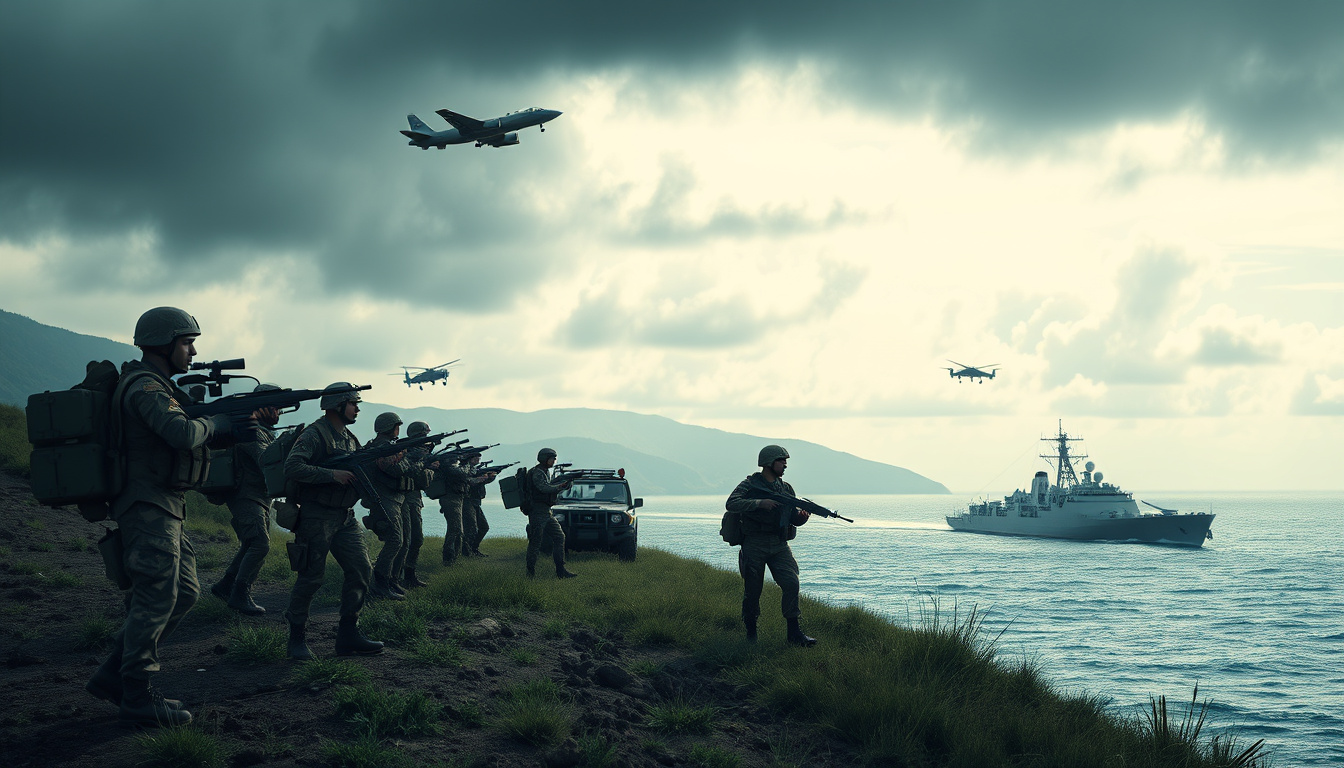
As President Nicolas Maduro's regime faces mounting pressure, including an unprecedented deployment of U.S.
troops and warships, the potential for conflict grows.
This article delves into the intricacies of this strategic standoff, exploring the implications of the U.S.
military presence, Venezuela’s appeal for Russian support, and the broader impacts on regional security.
Key Takeaways
- Russia is carefully observing the U.S. military buildup in the Caribbean while weighing its potential responses to Venezuela's request for military support.
- The presence of U.S. naval forces, including the USS Gerald R. Ford, raises the stakes for military engagement in the region and could influence Venezuela's response to internal crises.
- Logistical challenges and international sanctions hinder Russia's ability to provide direct military assistance to Venezuela amidst escalating tensions.
The U.S. Naval Build-Up: Implications for Venezuela and Regional Security
### The U.S.
Naval Build-Up: Implications for Venezuela and Regional Security In recent months, the geopolitical landscape in the Caribbean has grown increasingly tense due to a significant military buildup by the United States, which is closely monitoring the escalating crisis in Venezuela.
With President Nicolas Maduro seeking advanced military support from Russia, including missiles and radar systems, the Caribbean has become a focal point of international military strategy.
Currently, the U.S.
has deployed 16,000 personnel in the region, with 10,000 soldiers and 6,000 sailors aboard a fleet that includes advanced warships, compounded by the imminent arrival of the aircraft carrier USS Gerald R.
Ford.
This heightened military presence has raised alarms about potential military intervention and its implications for regional security in South America.
Russia, through its Kremlin spokesperson Dmitry Peskov, has responded cautiously, emphasizing careful monitoring of the situation, reflecting concerns over the potential repercussions of U.S.
actions.
The logistical challenges facing both Russia and China hinder immediate support for Maduro's regime, complicated further by existing international sanctions.
Notably, the strategic partnership treaty recently ratified by the Russian State Duma with Venezuela underscores the importance of such alliances in the face of mounting U.S.
military pressure.
Analysts suggest that the presence of the USS Gerald Ford, equipped with a robust arsenal of Tomahawk missiles, could provoke an aggressive stance from Washington, looming over the Maduro government as it grapples with internal instability and external threats.
Understanding these delicate military dynamics is critical as they illustrate the intertwined nature of regional conflicts, international power struggles, and the challenges of military logistics in the modern geopolitical arena.
Russia's Role and Strategic Calculations in Response to the Crisis
The intricate web of Russia's involvement in Venezuela reflects its strategic calculations amid rising tensions in the Caribbean.
As the U.S.
fortifies its presence, Russia's support for Maduro becomes a vital lifeline, albeit fraught with challenges due to international sanctions limiting military logistics.
Specifically, while Maduro’s request for missile systems exemplifies the depth of reliance on Russian assistance, the Kremlin's hesitation to engage directly is notable.
Russia understands that overstretching its capabilities could lead to direct confrontation with the U.S., a scenario neither side wishes to ignite.
Moreover, the recent ratification of the strategic partnership treaty illustrates a commitment to mutual defense without escalating to a direct military engagement.
The balancing act for Russia lies in providing humanitarian and logistical support to Venezuela while carefully sidestepping actions that could draw them into a broader conflict.
This approach underscores the complexities of modern diplomacy, where military might is counterbalanced by political maneuvering, aiming to secure influence in a region where U.S.
intervention remains a prominent threat.