Tensions Rise: Trump Appoints Jeff Landry as U.S. Envoy to Greenland, Provoking Danish Backlash
December 23, 2025
In a move that has not only drawn international attention but also stirred up significant controversy, President Donald Trump has appointed Louisiana Governor Jeff Landry as the U.S.
Special Envoy to Greenland.
This decision has led to a fierce backlash from Denmark, raising questions about the future of U.S.-Danish relations.
As discussions surrounding Greenland’s political status intensify, the implications of this appointment stretch far beyond simple diplomatic etiquette.
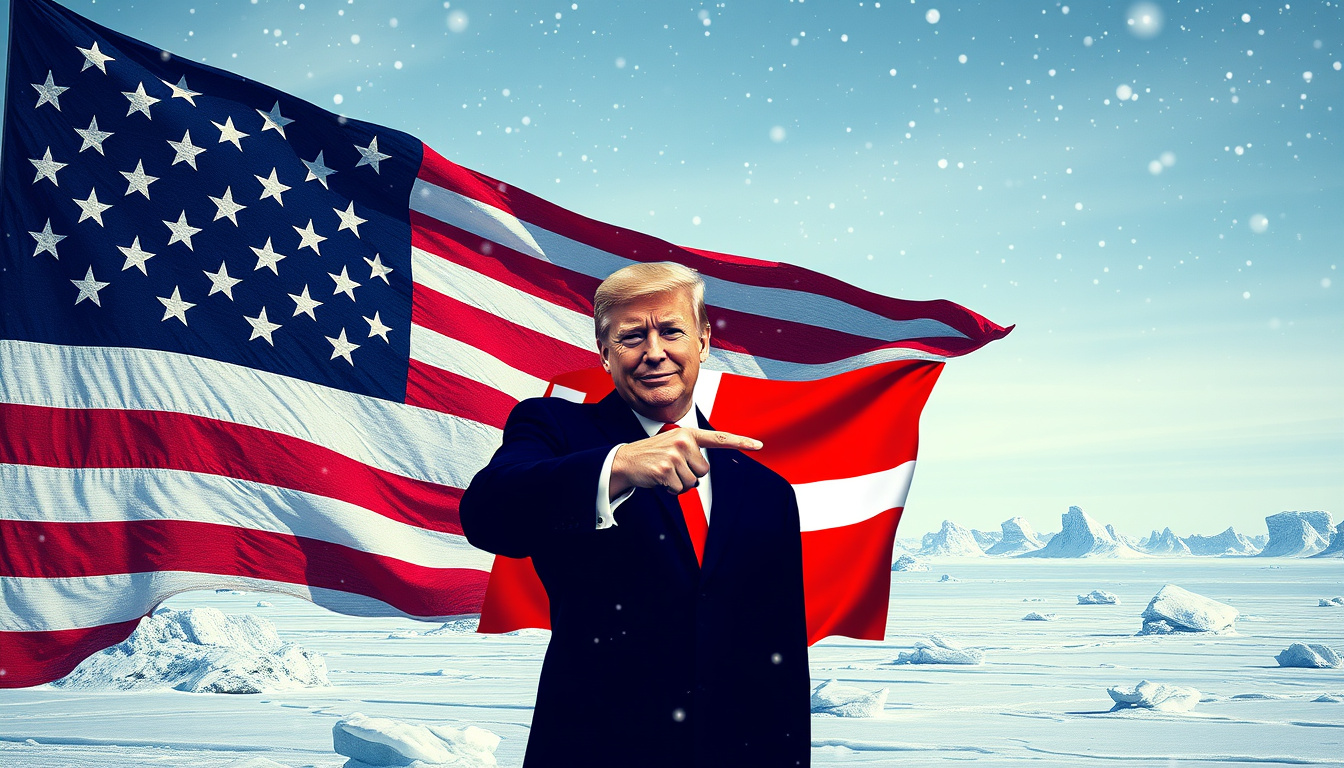
Key Takeaways
- Trump's appointment of Jeff Landry as envoy to Greenland has sparked significant backlash from Denmark.
- Danish officials emphasize the importance of respecting their territorial integrity in response to U.S. interests.
- The historical context reveals ongoing U.S. strategic interests in Greenland, complicating local desires for independence.
Danish Outrage and Diplomatic Fallout
The recent diplomatic unrest between the United States and Denmark has been propelled into the spotlight following President Donald Trump’s decision to appoint Louisiana Governor Jeff Landry as the U.S.
Special Envoy to Greenland.
This move has triggered an outcry from Danish officials, with Foreign Minister Lars Lokke Rasmussen vocally criticizing the appointment.
He argued that it undermines Denmark’s territorial integrity and indicated a disregard for the nation’s sovereignty over Greenland.
In a profound diplomatic gesture, Denmark summoned the U.S.
ambassador, showcasing the escalating tensions over American interests in Greenland’s rich resources.
Rasmussen’s discontent reflects a broader narrative of concern regarding U.S.
influence in the region—a sentiment that reverberates through historical events, notably Trump’s infamous proposal to buy Greenland, illustrating a persistent U.S.
strategic interest in the island.
Critics have raised alarms about potential covert operations targeting Greenland’s political landscape, which raises questions about the implications of U.S.
maneuvers in this geopolitically vital area.
Throughout history, Greenland has held a significant place in U.S.
military strategy, especially since World War II, given its location and resources.
Moreover, recent polls reveal that while the majority of Greenland’s population leans towards independence from Denmark, there’s a notable reluctance to align with the U.S., which complicates aspirations of American jurisdiction in the territory.
This diplomatic fallout arrives at a delicate juncture where interests collide—highlighting the complexities of international relations, nuance in voter sentiments, and the delicate balance surrounding Greenland’s future.
Geopolitical Implications of U.S. Interests in Greenland
As the geopolitical landscape continues to shift, the focus on Greenland's strategic significance becomes increasingly pronounced.
The region's vast natural resources, including rare minerals and potential oil reserves, position Greenland as a coveted asset in global politics.
The U.S.
has historically viewed Greenland as crucial for military operations, evidenced by its Thule Air Base, which serves pivotal roles in defense systems and Arctic surveillance.
Furthermore, with climate change opening new shipping routes and facilitating resource extraction in the Arctic, Greenland's importance is underscored not just for the U.S., but for other nations eyeing its assets.
The growing interest underscores a broader struggle for influence in the Arctic, where geopolitical positioning intertwines with environmental concerns and Inuit rights.
As such, the dialogue surrounding Greenland transcends boundaries, evoking discussions about sovereignty, respect for indigenous governance, and the balance of global power—elements that will shape the future of this strategically located island.