Tensions Surge as Iranian Warship Sinks in Sri Lanka: A Deep Dive into Rising Maritime Conflicts
March 4, 2026
The recent sinking of the Iranian warship, the Mowj-class frigate Dena, off the coast of Sri Lanka has shocked the global maritime community and significantly increased tensions in an already volatile region.
Described by local officials as a submarine attack attributed to a US submarine, this incident has raised critical questions about maritime security and the implications for international navigation in strategically important waterways.
With 101 crew members unaccounted for and only 32 rescued, the tragedy underscores the serious risks associated with contemporary naval conflicts.
Compounding these concerns, the backdrop of the event includes significant military actions aimed at degrading Iran's naval and aerial capabilities in the region.
As we delve deeper into this incident and its broader ramifications, we aim to provide a comprehensive understanding of how such events are redefining maritime security and what they mean for global relations moving forward.
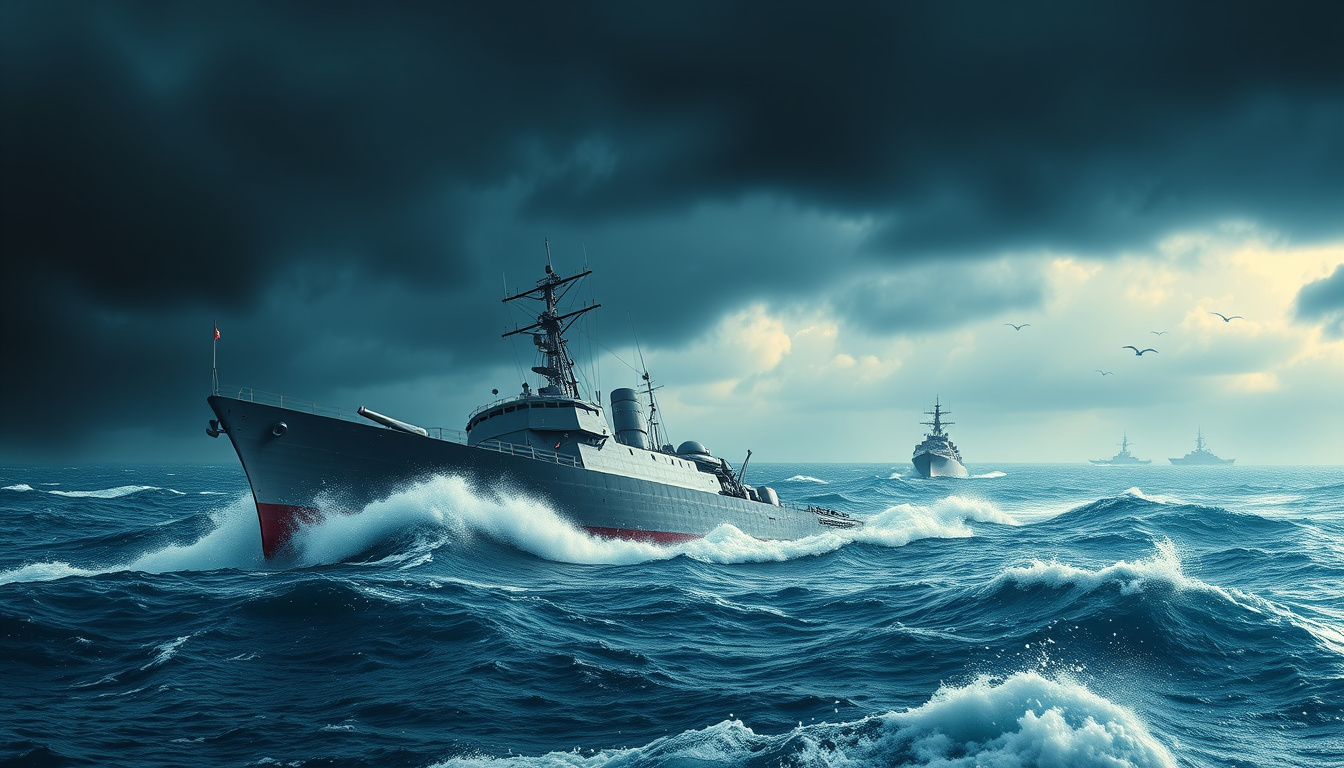
Key Takeaways
- The sinking of the Iranian warship Dena heightens tensions in global maritime conflicts.
- The incident may signal a shift in regional military dynamics, especially regarding US-Iran relations.
- Despite recent losses, Iran's potential for asymmetric warfare remains a concern for international maritime security.
Overview of the Incident and Immediate Reactions
The recent maritime incident involving the Iranian frigate Dena has ignited tensions across global conflict lines, drawing international attention to the delicacy of military engagements in the region.
Reports suggest that the Mowj-class frigate was targeted in what local officials have described as a submarine attack attributed to a US submarine, causing the warship to sink off the coast of Sri Lanka.
In the aftermath, while 32 crew members were successfully rescued, 101 remain unaccounted for, raising alarm over the humanitarian implications.
The Sri Lankan navy, responding promptly to a distress signal from the Dena, initiated a search and rescue mission but reported no additional naval or aerial assets nearby during the incident.
These developments unfold against the backdrop of heightened military actions, particularly under Operation Epic Fury, which has allegedly dismantled significant portions of Iran’s naval and air capabilities, as emphasized by President Trump.
He asserted that the destruction has effectively crippled Iran’s ability to exert control over critical maritime routes, specifically the strategically vital Strait of Hormuz.
Despite these military setbacks, the specter of asymmetric warfare looms large, as anxiety grows regarding Iran’s potential to deploy drone attacks, compelling the US to enhance protective measures for commercial vessels traversing this crucial area.
Implications for Regional and Global Maritime Security
The implications of the sinking of the Mowj-class frigate Dena extend far beyond the immediate tragedy itself, reverberating through the corridors of both regional and global maritime security.
As the international community grapples with this incident, experts caution that the fragile balance of power in the Middle East could be further destabilized.
With naval capabilities significantly reduced, Iran's reliance on asymmetric warfare tactics, particularly drone warfare, poses a heightened threat not only to US interests but also to the security of maritime trade routes.
The Strait of Hormuz, a critical chokepoint for global oil shipments, is now under increased scrutiny as nations strategize responses to potential Iranian retaliation.
The enhanced US naval presence in the area, including the provision of escorts and insurance for commercial vessels, reflects a proactive stance to deter future hostilities and safeguard international commerce.
All these factors contribute to a complex security landscape, where one maritime incident has the potential to reshape military strategies and alliances in a region already rife with tension.