The Brit Card: UK’s Controversial Digital ID System Raises Civil Liberty Concerns and Immigration Debate
October 2, 2025
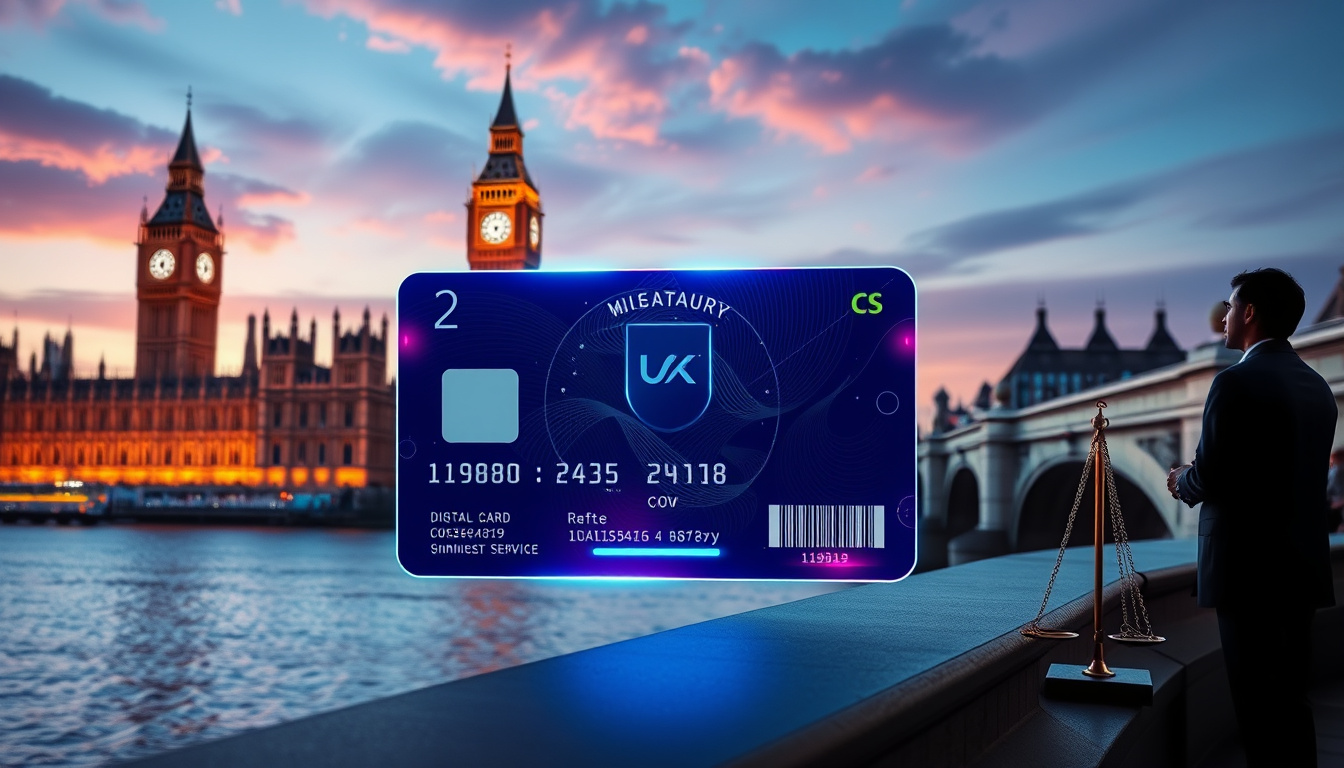
In recent years, the topic of digital identity systems has gained significant traction worldwide, but few proposals have stirred as much controversy as the UK government's latest initiative: the Brit Card.
Recently announced by Prime Minister Keir Starmer, this mandatory digital ID system aims to regulate immigration by restricting access to work for those who are deemed to be residing in the UK illegally.
However, the implementation of the Brit Card has sparked widespread debate, raising alarm bells among civil rights advocates who fear that it could infringe on individual liberties and privacy.
Critics argue that framing this initiative as a solution to illegal immigration is misleading, as a substantial majority of migrants enter the UK through lawful channels.
Meanwhile, proponents insist that increased regulation is necessary for national security and labor market integrity.
Beyond the immigration discourse, the use of biometric technology in the Brit Card raises profound ethical questions about surveillance and control, invoking concerns about a society where digital IDs are linked to everyday activities, potentially mirroring practices found in more authoritarian regimes.
As the UK stands on the precipice of this pivotal shift toward digital surveillance, it becomes essential to analyze the implications of the Brit Card on both immigration and civil liberties, as well as to unpack the broader societal impacts it heralds.
Key Takeaways
- The Brit Card has been criticized for potentially infringing on civil liberties while aiming to control immigration.
- Critics argue that mandatory digital IDs like the Brit Card may lead to excessive government surveillance and a loss of personal autonomy.
- The initiative appears to be more focused on consolidating governmental control than effectively addressing immigration issues.
The Brit Card: A Tool for Regulating Immigration or a Threat to Civil Liberties?
The introduction of the 'Brit Card,' a new mandatory digital ID system proposed by Prime Minister Keir Starmer, has generated considerable debate surrounding immigration control and civil liberties in the UK.
Marketed as a tool for regulating immigration, the Brit Card aims to curtail illegal migration by preventing unauthorized individuals from accessing employment and social services.
However, critics are quick to point out that this initiative oversimplifies the complex realities of migration, as a significant number of migrants enter the UK legally through various established frameworks.
Moreover, studies from other European countries have highlighted that similar ID systems have had limited success in managing migration effectively, raising questions about the practical functionality of the Brit Card.
Critics of the initiative voice profound concerns over civil liberties, primarily due to its reliance on biometric tracking technology, which poses potential risks of government surveillance extending beyond employment checks to encompass online activities and everyday transactions.
This prospects echoes apprehensions that the ID could morph into an instrument for state control reminiscent of repressive regimes, interfering with personal freedoms and self-determination.
Currently, the Brit Card's scope is limited to employment and social welfare verification, yet its digital infrastructure raises alarms regarding possible shifts toward widespread surveillance akin to those found in authoritarian territories.
Observers also suggest that the move may serve to consolidate government authority amid a backdrop of rising populism, hinting that the initiative may be more politically motivated than genuinely aimed at resolving immigration challenges.
As the nation grapples with these complex issues, the Brit Card seems poised to ignite extensive public discourse about the balance between immigration regulation, governmental power, and the preservation of civil rights.
The Implications of Biometric Technology and Surveillance on Daily Life
As the UK prepares for the rollout of the Brit Card, it’s essential to delve deeper into the implications of biometric technology and surveillance on daily life.
This digital ID system will not only revolutionize how identity verification occurs but may also reshape the landscape of privacy for millions.
Advocates argue that by utilizing biometric data such as fingerprints and facial recognition, the Brit Card can streamline processes across various sectors, from recruitment to healthcare, theoretically reducing fraud and enhancing security.
Yet, the growing reliance on such technology comes with profound risks, particularly concerning data breaches and unauthorized surveillance.
Past incidents in other nations underscore the potential for such systems to undermine public trust and lead to the misuse of personal information.
The psychological impact on individuals being perpetually monitored can also erode the very fabric of society, fostering a climate of suspicion and fear.
Accordingly, as the public discourse continues, it becomes increasingly vital to assess not just the intended benefits of the Brit Card, but also the broader societal implications that come with the adoption of such invasive technologies.