The Great Seed Oil Debate: Are They Healthy or Harmful for You?
March 22, 2025
The Great Seed Oil Debate: Are They Healthy or Harmful for You?
In recent years, seed oils have stirred considerable discussion among health enthusiasts, nutritionists, and everyday consumers alike.
Originally hailed as a source of healthy fats, these oils, derived from seeds such as soybeans, canola, and sunflower, have faced criticism that suggests they may contribute to health issues like obesity and chronic diseases.
This article delves into the complexities surrounding seed oils, exploring processing methods, nutritional benefits, and the contrasting viewpoints of health experts.
By examining the pervasive use of seed oils in our food supply and offering practical advice for healthier choices, we aim to empower you to make informed decisions about your cooking oils and diet.
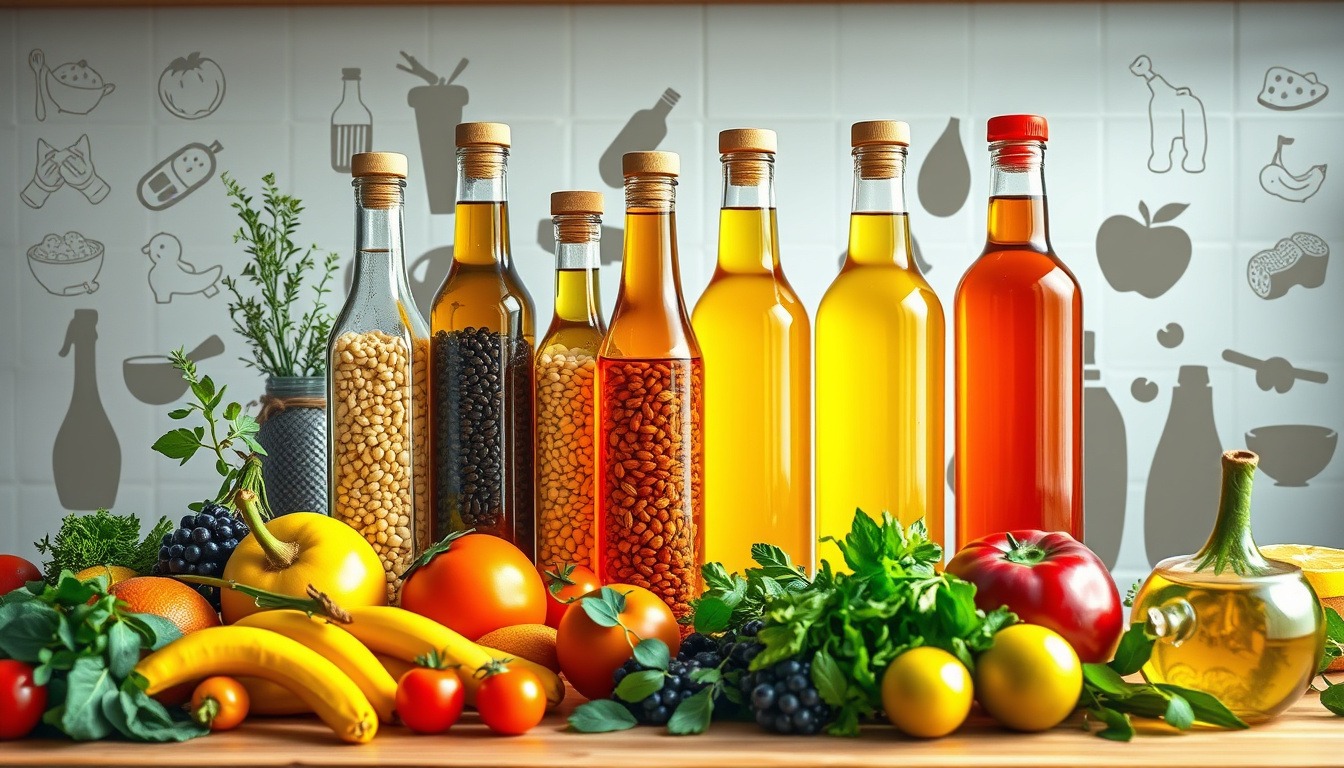
Key Takeaways
- The health benefits of seed oils are debated, with advocates citing heart health improvements and critics pointing to potential risks.
- Industrial seed oils undergo extensive processing that may strip away beneficial nutrients and introduce harmful compounds.
- A focus on reducing ultra-processed foods is recommended over an outright ban on seed oils, encouraging the use of healthier cooking oils.
Understanding Seed Oils: Benefits and Risks
### Understanding Seed Oils: Benefits and Risks The ongoing debate surrounding seed oils continues to evoke strong opinions among health enthusiasts and nutrition experts alike.
Derived from various seeds, these oils—including popular varieties like soybean, canola, and corn oil—are often controversial due to the differing viewpoints on their health impacts.
On one hand, proponents highlight the benefits of seed oils, suggesting they are heart-healthy options linked to lower rates of cardiovascular diseases and longer lifespans.
Various studies have indicated that the polyunsaturated fats found in these oils can contribute to improved cholesterol levels and overall heart health when used in moderation.
On the other hand, critics argue that many industrial seed oils undergo extensive refining processes—which often involve high heat and chemical solvents—thereby stripping away their nutritional benefits and introducing potentially harmful compounds.
These processes can lead to the formation of oxidized oils, which have been associated with inflammation and a range of chronic diseases.
Additionally, seed oils are prevalent in ultra-processed foods, heavily subsidized in the United States, making them more affordable and accessible than healthier options like olive oil.
This reliance on processed foods leads to excessive consumption of seed oils, further intensifying health concerns.
As consumers navigate the complexities of oil choices, it is essential to focus not just on the oils themselves, but also on the greater dietary context.
Prioritizing whole, minimally processed foods and reducing reliance on ultra-processed items can have a more significant positive impact on health than obsessively eliminating seed oils alone.
For cooking, opting for stable oils that retain nutritional integrity—such as olive oil or avocado oil—may be a more balanced approach.
Whether you lean towards the benefits or risks of seed oils, understanding their role in modern diets is crucial for informed dietary choices.
Navigating the Food Landscape: Choices Beyond Seed Oils
In the quest for healthier cooking options, understanding the differences between various oils is paramount.
Traditional oils, such as extra virgin olive oil, are often cold-pressed and retain their natural nutrients, making them a favored choice among health-conscious individuals.
Conversely, more widely used industrial seed oils like soybean and canola are typically subjected to refining processes that strip them of their beneficial compounds.
These oils are prevalent in fast foods and packaged snacks, which makes it easy for consumers to unknowingly consume oxidized fats that can have detrimental effects on health.
Interestingly, the high smoke points of these refined oils make them appealing for high-heat cooking, despite potential health risks associated with their use.
Thus, the debate continues—should we embrace seed oils for their convenience and supposed heart-health benefits, or steer clear to avoid potential inflammation and chronic diseases?
It is crucial to weigh these considerations against the backdrop of overall dietary patterns, prioritizing balanced nutrition through whole, minimally processed foods.