Treasury Secretary Bessent Sets the Record Straight on Trump-Xi Summit Delays Amid U.S.-China Trade Talks
March 16, 2026
In the complex world of international diplomacy and trade negotiations, clarity is key, especially when it involves powerhouse nations like the United States and China.
Recently, Treasury Secretary Scott Bessent addressed some pervasive myths surrounding the delays of a summit between President Trump and Chinese President Xi Jinping.
During an insightful interview with CNBC, Bessent underscored that the postponement of the summit should not be attributed to China's perceived inaction in policing the volatile Strait of Hormuz, but rather to logistical challenges.
As tensions rise amid the U.S.-Iran conflict, understanding the nuances of these discussions becomes crucial—the outcomes not only impact bilateral relationships but also have ramifications on global markets.
In this article, we delve into the recent remarks made by Bessent, explore the focal points of the U.S.-China trade talks, and assess the implications of these negotiations on the international stage.
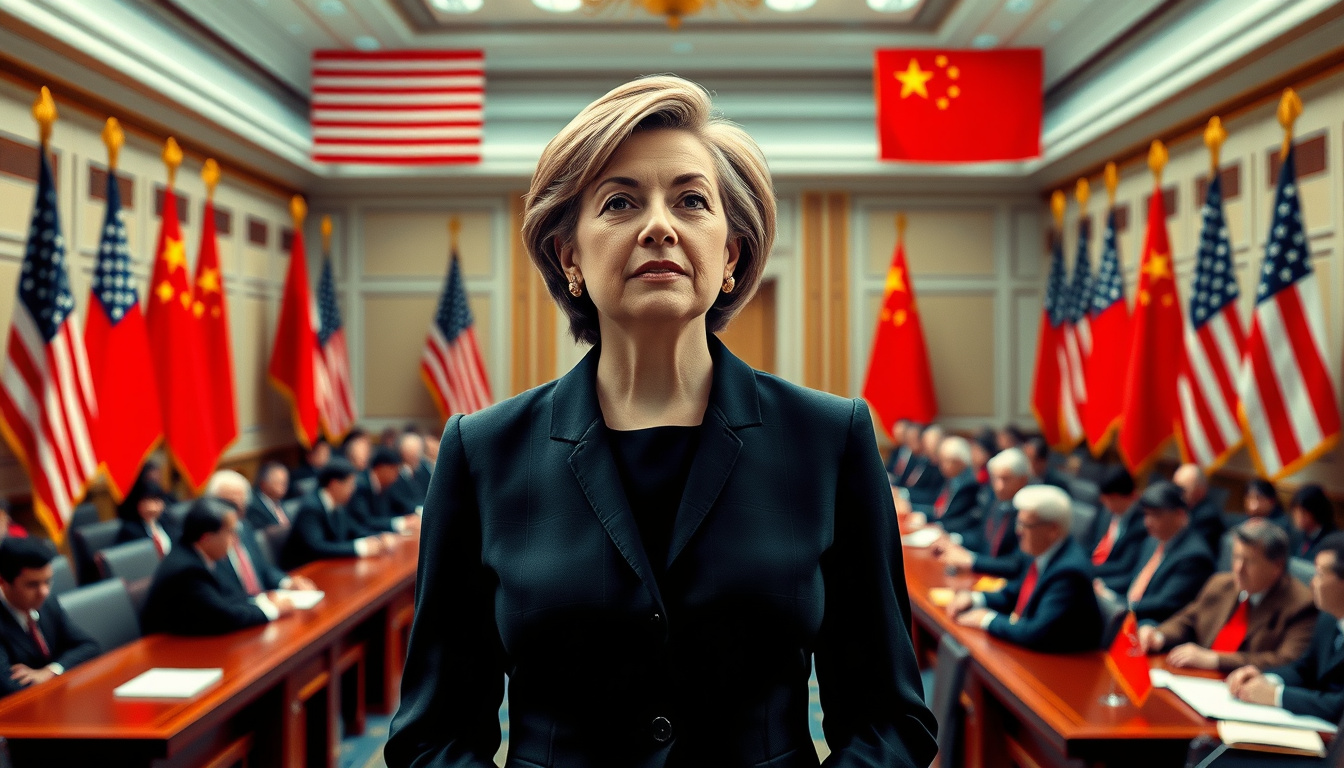
Key Takeaways
- Treasury Secretary Bessent attributed potential summit delays to logistical issues rather than China's actions in the Strait of Hormuz.
- He emphasized that U.S.-China trade talks are progressing, with areas for potential agreements on tariffs and agriculture.
- Bessent advised against market overreactions to summit delays, highlighting that practical matters dictate the diplomatic timeline.
Clarifying Summit Delays: Logistics vs. Media Narratives
In a recent CNBC interview, Treasury Secretary Scott Bessent addressed misleading narratives that have circulated regarding the anticipated summit between President Trump and Chinese President Xi Jinping.
He clarified that any potential delays in the summit's scheduling would strictly be due to logistical challenges, not as a consequence of China’s inaction related to the Strait of Hormuz, contrary to assertions made by various segments of the U.S.
mainstream media.
Bessent reiterated that the U.S.-China trade discussions held in Paris were notably constructive, identifying key areas where both nations might reach agreements, specifically on tariffs and agricultural trade.
These discussions come against the backdrop of rising tensions between Iran and the U.S., further complicating the timing of the summit.
President Trump has shown a keen interest in assembling a multinational naval coalition aimed at ensuring safe navigation through the Strait of Hormuz, seeking cooperation from allies such as China, Japan, and NATO members.
However, with Beijing yet to respond to Trump's request, state-run media in China, such as the Global Times, has voiced strong opposition to deploying military vessels in the area, highlighting concerns over exacerbating regional conflicts.
In light of these developments, Bessent warned against overreacting in the financial markets to speculated delays, emphasizing that the underlying logistical considerations are the true catalysts affecting diplomatic engagements, rather than geopolitical disputes.
Key Discussion Points from U.S.-China Trade Talks
As the U.S.
and China navigate through these complex trade talks, several key issues have emerged that are pivotal for both nations and the global economy.
One significant topic is the discussion surrounding tariffs, where there is a potential for agreements aimed at easing the financial burdens on importers and consumers alike.
Additionally, agricultural trade has been highlighted as another area of focus, particularly given the importance of agricultural exports in the U.S.-China economic relationship.
During the Paris meetings, negotiators explored strategies to enhance trade flow and address historic imbalances.
These crucial discussions are not only vital for the diplomatic ties between the U.S.
and China but also play a significant role in shaping market confidence and stability in international trade.