Trump Faces Unprecedented Disapproval Amid Iran Conflict and Economic Struggles: Poll Insights Ahead of 2024 Midterms
May 4, 2026
As the political landscape shifts dramatically ahead of the 2024 midterms, recent polling data has unveiled significant public discontent towards President Trump's administration.
With escalating tensions in Iran and mounting economic challenges, his disapproval ratings have surged to unprecedented levels.
Amidst this backdrop, voters are becoming increasingly critical of his leadership style and decision-making abilities, revealing a potential shift in the tide for Democratic candidates in the upcoming elections.
In this article, we will delve into the findings from the latest Washington Post-ABC News-Ipsos poll, analyze voter sentiments, and explore implications for both the midterm elections and future presidential races.
Key Takeaways
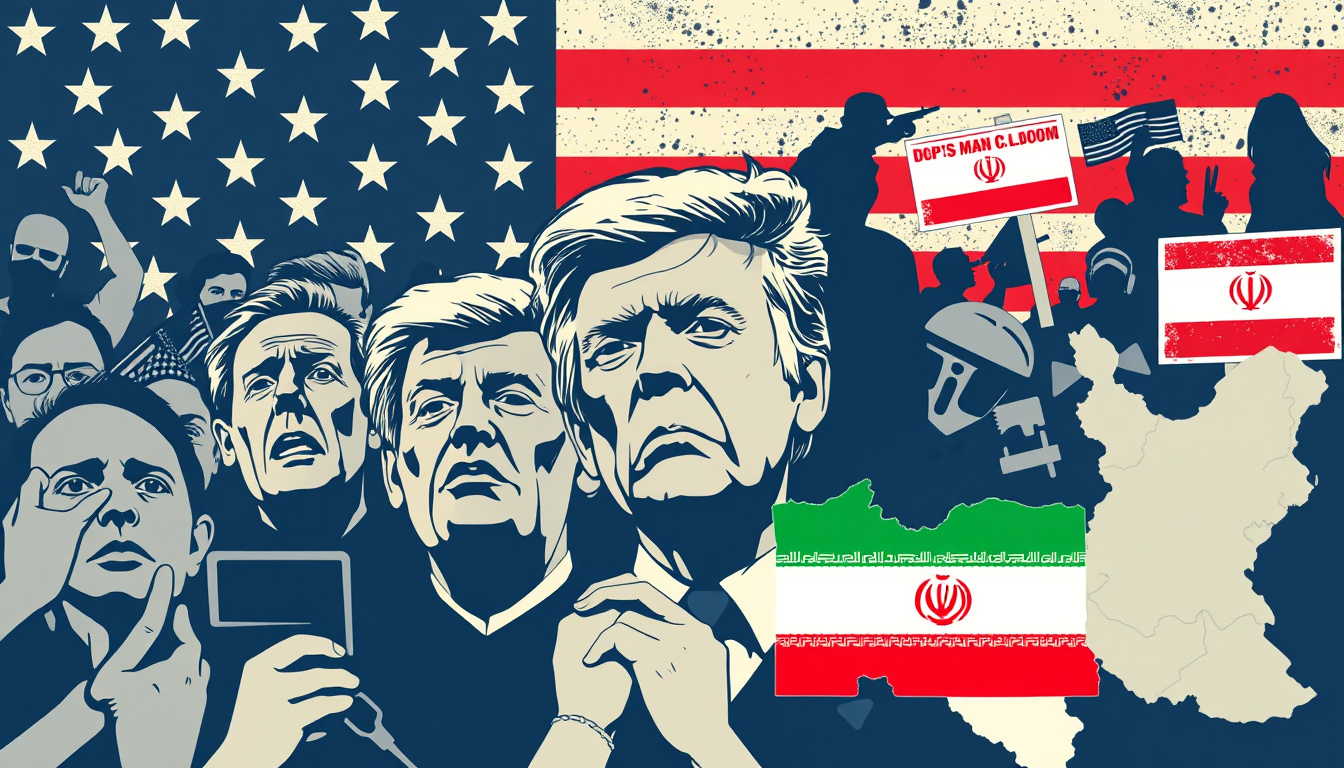
- Trump's disapproval rating has reached a historic high of 62%, largely driven by dissatisfaction with his handling of the Iran conflict and economic issues.
- Democrats have a slight edge over Republicans in voter preferences ahead of the midterms, with 49% favoring Democratic candidates compared to 44% for Republicans.
- Public sentiment indicates that a significant majority of Americans believe the country is on the wrong track, highlighting widespread discontent with current leadership.
Public Discontent with Trump's Leadership
In light of a new Washington Post-ABC News-Ipsos poll, public discontent with President Trump's leadership is becoming increasingly evident.
The poll reveals an alarming disapproval rating of 62%, marking the highest level of dissatisfaction during his presidency, largely attributed to his handling of the war with Iran and ongoing economic challenges.
A staggering 76% of respondents expressed discontent with how he has managed living costs, while 66% disapprove of his approach to the Iranian conflict.
Even among Republicans, there’s a noticeable shift; although 85% still approve of Trump, strong approval ratings have dipped to 45%, particularly among Republican-leaning independents.
Only 25% of independents are supportive of his performance overall.
Moreover, the poll highlights troubling perceptions regarding Trump's personal attributes, with 71% of respondents considering him dishonest or untrustworthy and significant portions questioning his decision-making capabilities and mental acuity.
As we approach the midterm elections, the political landscape shows a slight Democratic advantage, with 49% willing to vote for Democratic candidates compared to 44% for Republicans, a stark contrast to the evenly matched standing observed before the 2022 midterms.
Voter turnout intention also favors the Democrats, as 79% report being certain they will participate in the elections, compared to 72% of Republicans.
Contributing to this discontent is the sentiment that 67% of Americans believe the nation is on the wrong track, a view largely held by 94% of Democrats and only 25% of Republicans.
Lastly, as future political dynamics unfold, potential contenders for the 2028 presidential race, such as Vice President JD Vance and Secretary of State Marco Rubio, are emerging with moderately favorable approval ratings at 35% and 33%, respectively.
Midterm Election Implications for 2024
In a politically charged atmosphere leading into the midterm elections, the repercussions of recent polling data signal critical implications for both parties.
The data reflects a deepening trust gap among voters, with Democrats enjoying a narrower lead and increased enthusiasm within their ranks.
The shift in voter sentiment illustrates a changing political landscape where economic concerns and international conflicts play pivotal roles.
While 67% of Americans feel the country is headed in the wrong direction, this sentiment is especially resonant among Democrats, indicating a unified call for change that could sway undecided voters.
With midterm elections approaching and a significant portion of the electorate disillusioned with the current administration's handling of key issues, both parties must recalibrate their strategies to address the priorities and concerns of the American populace.
The dynamics of the campaign trail will hinge heavily on how effectively candidates can connect with voters around these prevalent issues.