Trump's $15 Billion Defamation Lawsuit Against The New York Times: A Legal Battle Over Press Freedom and Political Narrative
September 16, 2025
In a striking turn of events, former President Donald Trump has launched a colossal $15 billion defamation lawsuit against The New York Times, one of the most influential newspapers in America.
Trump lambasts the NYT as 'one of the worst and most degenerate newspapers in the history of our country' and accuses it of functioning as a 'virtual mouthpiece for the Radical Left Democrat Party.' This legal skirmish not only highlights Trump's contentious relationship with the media but also raises significant questions about the boundaries of press freedom and the role of journalism in shaping political narratives.
As the lawsuit unfolds in the U.S.
District Court in Florida, it presents an opportunity to examine the implications of such legal actions on the future of journalism and public discourse.
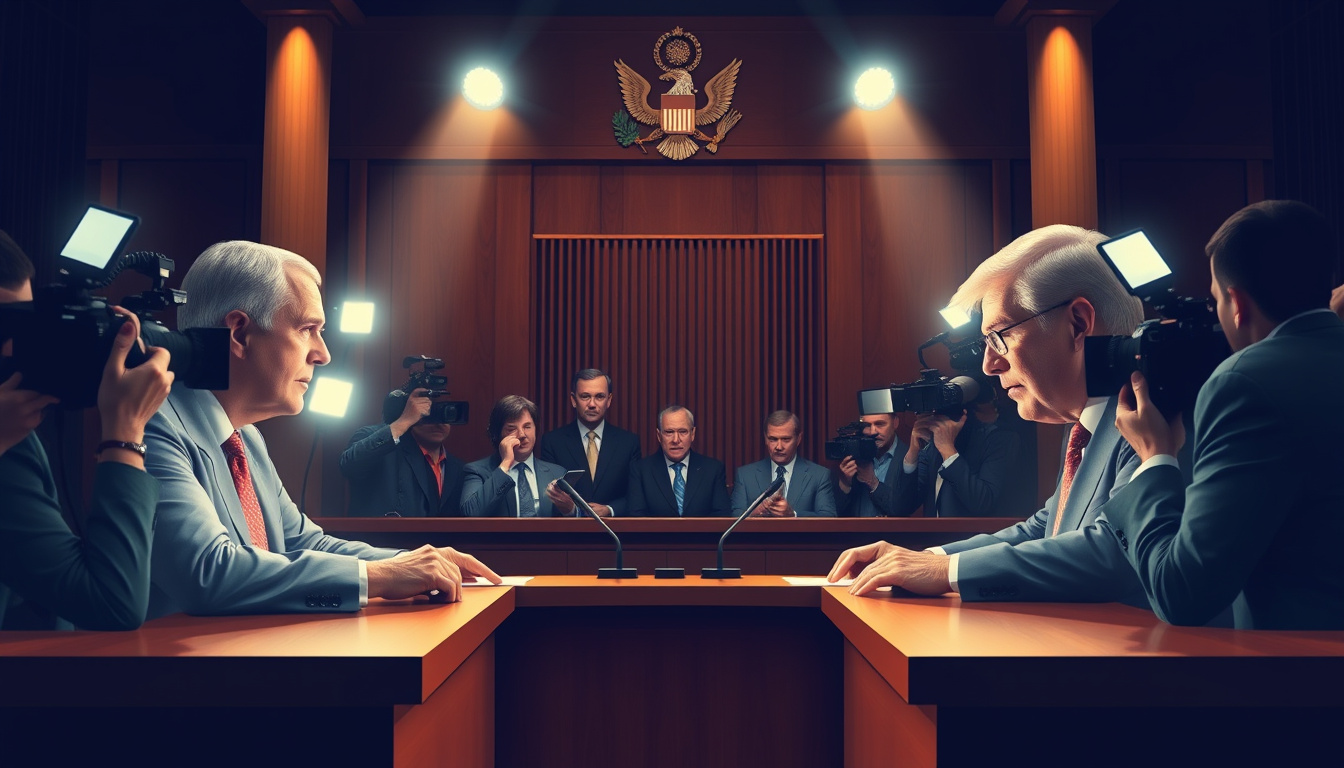
Key Takeaways
- Trump's $15 billion lawsuit against The New York Times raises significant questions about press freedom in the U.S.
- The case exemplifies a growing trend of political figures challenging media narratives legally.
- Trump's actions reflect a broader mistrust of mainstream media and suggest an ongoing battle over journalistic credibility.
Overview of the Lawsuit and Its Allegations
The lawsuit filed by former President Donald Trump against The New York Times (NYT) represents a significant escalation in his ongoing battle with mainstream media.
Accusing the publication of engaging in 'spreading false and defamatory content,' Trump is seeking a staggering $15 billion in damages, characterizing the NYT as a 'virtual mouthpiece for the Radical Left Democrat Party' and claiming it is one of the most disreputable newspapers in American history.
This legal action, initiated in the U.S.
District Court in Florida, targets not only the NYT itself but also four of its journalists, suggesting irresponsibility and a lack of journalistic integrity in their reporting.
Trump's allegations underscore a broader narrative he has been cultivating about the media's role in shaping public perception, particularly regarding political figures.
Notably, the lawsuit builds upon Trump's history of litigating against major media corporations, such as ABC and CBS, with previous cases including one against the NYT that was dismissed in
2020.
Furthermore, in a move to address what he sees as pervasive media bias, Trump has proposed reinstating the Smith-Mundt Act.
His pursuit for legal redress reflects not only a personal grievance but also a response to the increasing skepticism many Americans hold towards traditional news outlets, a trend he attributes to perceived inaccuracies in reporting.
Implications for Press Freedom and Political Discourse
The implications of Trump's legal action against The New York Times extend far beyond the courtroom, potentially reshaping the landscape of press freedom and political discourse in America.
Should this lawsuit advance, it could set a precedent where public figures increasingly leverage the courts to silence critical journalism, leading to a chilling effect on the media's willingness to report on political matters candidly.
As Trump escalates his confrontations with major news organizations, he seems to capture a growing sentiment among his supporters who view traditional media as biased.
This growing distrust can result in a fractured public discourse, where misinformation and partisan narratives flourish unchallenged.
The potential ramifications of this case highlight the delicate balance that must be maintained in safeguarding journalistic integrity while allowing for robust political critique.
Ultimately, the outcome of such lawsuits speaks volumes about the state of democracy and the vital role of a free and responsible press.