Trump's Iran Strategy: The Risks of Military Action Amidst Rising Tensions
February 20, 2026
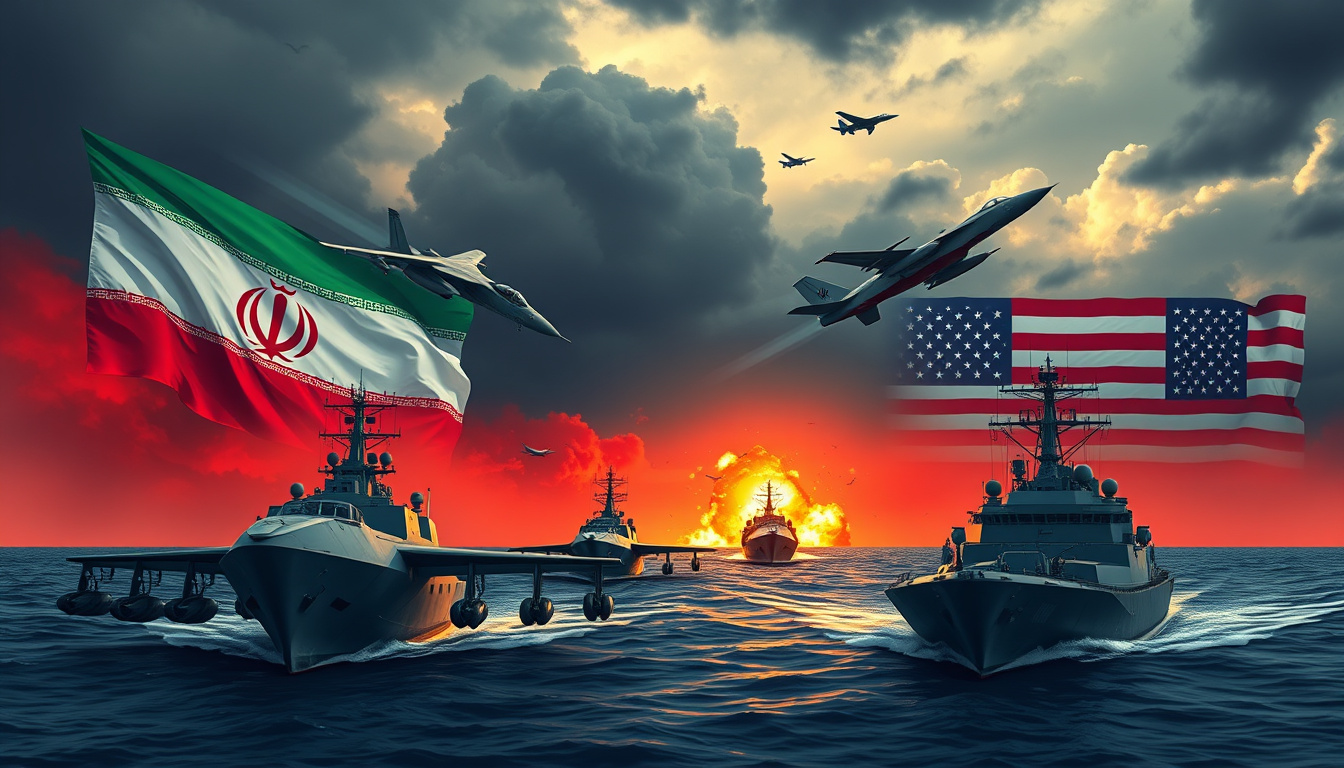
President Trump's Iran strategy has become a focal point of discourse as military tensions heighten in the region.
With whispers of a potential limited military strike against Iran, questions arise regarding the feasibility and consequences of such an aggressive maneuver.
The administration's approach hinges on controversial assumptions about air strikes' effectiveness in compelling Tehran to dismantle its missile program and nuclear ambitions.
Critics argue that these assumptions oversimplify the intricate dynamics of U.S.-Iran relations and overlook the possibility of serious retaliatory actions from Iran.
In examining Trump's stance on Iran, it’s crucial to understand not only the strategic calculations at play but also the broader geopolitical implications that could emerge from military escalation.
This article delves into the risky terrain of military action against Iran, highlighting the precarious balance of diplomacy, military readiness, and the potential for conflict reminiscent of past U.S.
engagements.
Key Takeaways
- Trump's strategy hinges on the flawed belief that military action will compel Iran to abandon its nuclear ambitions.
- The risk of escalation is significant, with Iran likely to respond vigorously to any military strikes.
- The geopolitical implications are complex, as Iran's ties with Russia and China could provoke unintended conflicts.
Assumptions Behind Military Action
In contemplating a limited military strike against Iran, President Trump is navigating a precarious web of assumptions that could have far-reaching consequences.
The primary rationale behind this potential course of action lies in the belief that focused air strikes could compel Iran to relinquish its missile capabilities and halt nuclear enrichment—a notion that arguably oversimplifies the complexities of Iranian defense and strategic interests.
Additionally, there exists the assumption that such strikes could be executed without provoking a significant Iranian response or escalation into a broader conflict.
However, this outlook may be overly optimistic given Iran's history of retaliation and its demonstrated capability to unleash counterattacks, which could quickly escalate tensions and mirror past U.S.
military interventions.
The Pentagon's preparations indicate a readiness to engage, yet the implications of a military strike could reverberate throughout the region, potentially drawing in allies and adversaries alike.
Moreover, Iran's ongoing military collaborations with nations like Russia and China further complicate the scenario, leading to a heightened risk of accidental confrontations.
As diplomatic negotiations remain fraught with dissatisfaction, with Vice President JD Vance's criticisms juxtaposed against Iran's grievances over the U.S.'s abrupt withdrawal, Trump's administration finds itself caught between hawkish pressure for decisive action and the stark realities of avoiding another costly military misadventure akin to the conflicts in Iraq.
The stakes have never been higher, and the path ahead is fraught with uncertainty.
Potential Consequences of Increased Tensions
In light of these escalating tensions, analysts warn that a military strike could provoke an unpredictable chain reaction in the region.
Iran's military capabilities, coupled with its alliances, provide a robust defense that might not only thwart an airstrike but also retaliate with significant force.
Such a retaliation could manifest in various forms, from asymmetric warfare tactics to cyber attacks, potentially targeting American interests and allies in the Middle East.
Moreover, these developments could rekindle hostilities reminiscent of the Iraq war, drawing the U.S.
deeper into an ongoing conflict characterized by regional instability.
Additionally, hardline factions within Iran could use U.S.
aggression to consolidate power and rally nationalistic sentiments among the Iranian populace, making diplomacy even more challenging.
With Russia and China closely watching the unfolding situation, any miscalculation could not only affect U.S.-Iran relations but might also shift global power dynamics, leading to a broader confrontation that extends beyond regional borders.