Trump's 'Liberation Day' Tariffs: How 25% Duty on India’s Goods Could Shake Up Global Trade Dynamics
July 31, 2025
In the ever-evolving landscape of international trade, few events can create ripples as significant as the recent announcement of President Donald Trump's 'Liberation Day' tariffs.
Scheduled to impose a hefty 25% duty on goods imported from India, this new measure has sparked widespread discussion not only regarding its immediate economic repercussions but also its long-term implications for global trade dynamics.
As the U.S.
escalates tariff tensions amid criticisms of India's trade policies, industry experts and analysts are closely monitoring the potential fallouts for India's economy, particularly its exporters and labor-intensive sectors.
Furthermore, the geopolitical ramifications of strained U.S.-India relations come into sharp focus, especially with India's interwoven ties to Russia within the BRICS framework.
This article delves into the multifaceted implications of Trump's tariffs, exploring the impact on India's export economy and the broader geopolitical landscape.
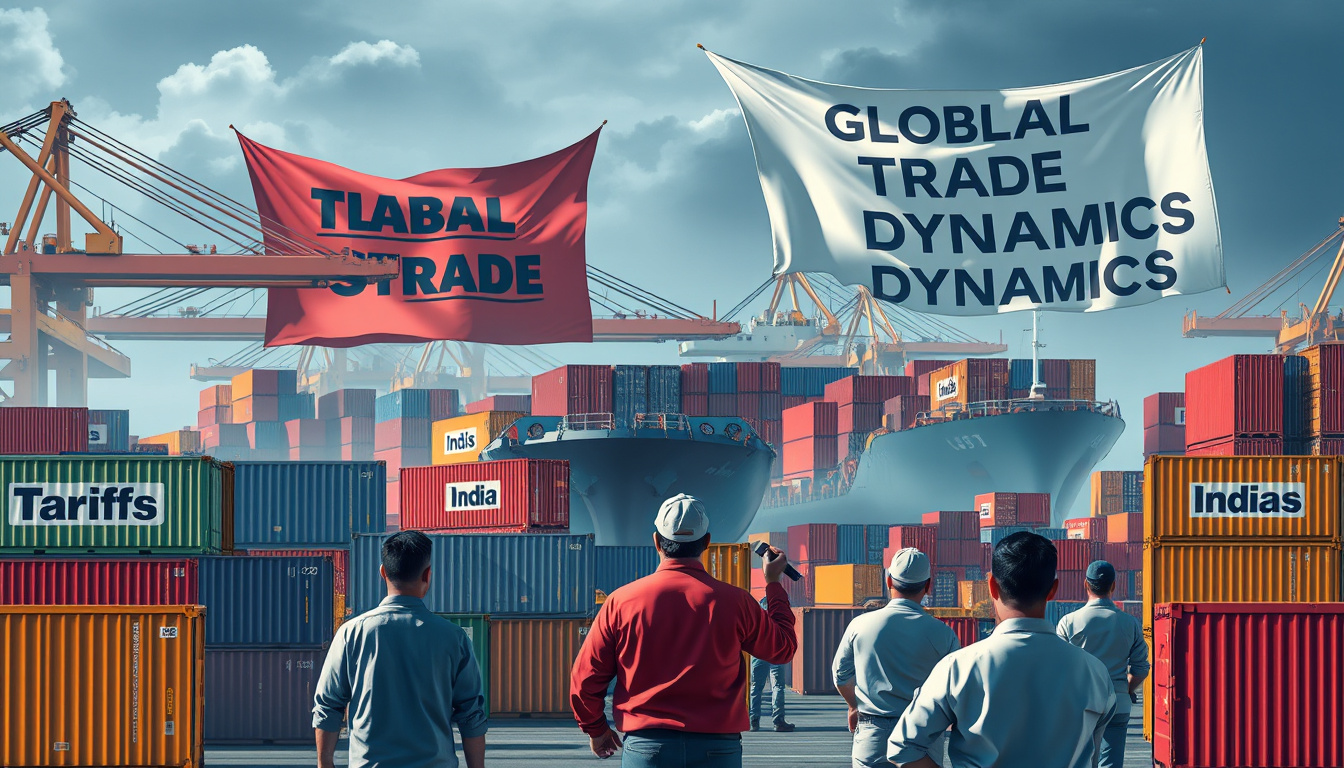
Key Takeaways
- Trump's tariffs could significantly affect India's export economy by imposing a 25% duty on goods.
- The strained U.S.-India trade relations may prompt India to reevaluate its economic ties and strategies.
- The geopolitical landscape is shifting as India and Russia, both BRICS members, challenge U.S. dominance in global trade.
Impact of Tariffs on India’s Export Economy
The recent criticism from President Trump aimed at India as part of his broader tariff policy has raised significant concerns regarding the impact on India's export economy.
As India braces for the implementation of a 25% tariff on its goods, exporters face a potential financial hit of approximately $10 billion, disrupting supply chains and competitive pricing on the global stage.
Analysts fear that these elevated tariffs could dampen domestic sentiment and challenge India's longstanding strength in labor-intensive sectors, such as textiles and agriculture.
Moreover, India's negotiating stance has shifted, with officials emphasizing that any forthcoming trade arrangements with the U.S.
must not only be mutually beneficial but also protect the interests of local farmers and small businesses.
This shift highlights the complexities in diplomatic relations, especially in light of India's strategic partnership with Russia amidst ongoing geopolitical tensions.
With diplomatic ties strained post Vice President JD Vance's visit, India may adopt a more cautious approach in future dealings with the U.S.
This situation underscores the evolving economic landscape where both India and Russia, as part of the BRICS coalition, appear to be aligning their economic strategies against U.S.
tariffs, raising questions about the long-term consequences for global trade dynamics.
Geopolitical Implications of U.S.-India Trade Relations
The current state of U.S.-India trade relations is deeply intertwined with broader geopolitical issues, particularly as both nations navigate their roles on the global stage.
President Trump's claims regarding India's economic policies and its ties with Russia, especially during the ongoing Ukraine conflict, signal a potential shift in the balance of power and influence.
With the imposition of steep tariffs by the U.S., India faces a challenging environment that could hinder its export capabilities and economic growth.
Indian officials have made it clear that any future trade agreements will prioritize the protection of domestic interests, an approach that reflects a growing assertiveness among emerging economies.
This change is likely to complicate negotiations and may result in a reevaluation of India's trade strategies, especially regarding its alliances with nations within the BRICS framework.
As both countries grapple with these complex dynamics, the implications are poised to extend beyond mere tariffs, potentially reshaping international trade relations in the coming years.