Trump's Tariffs on Mexico, Canada, and China: A Tactical Move Against Fentanyl Trafficking
March 11, 2025
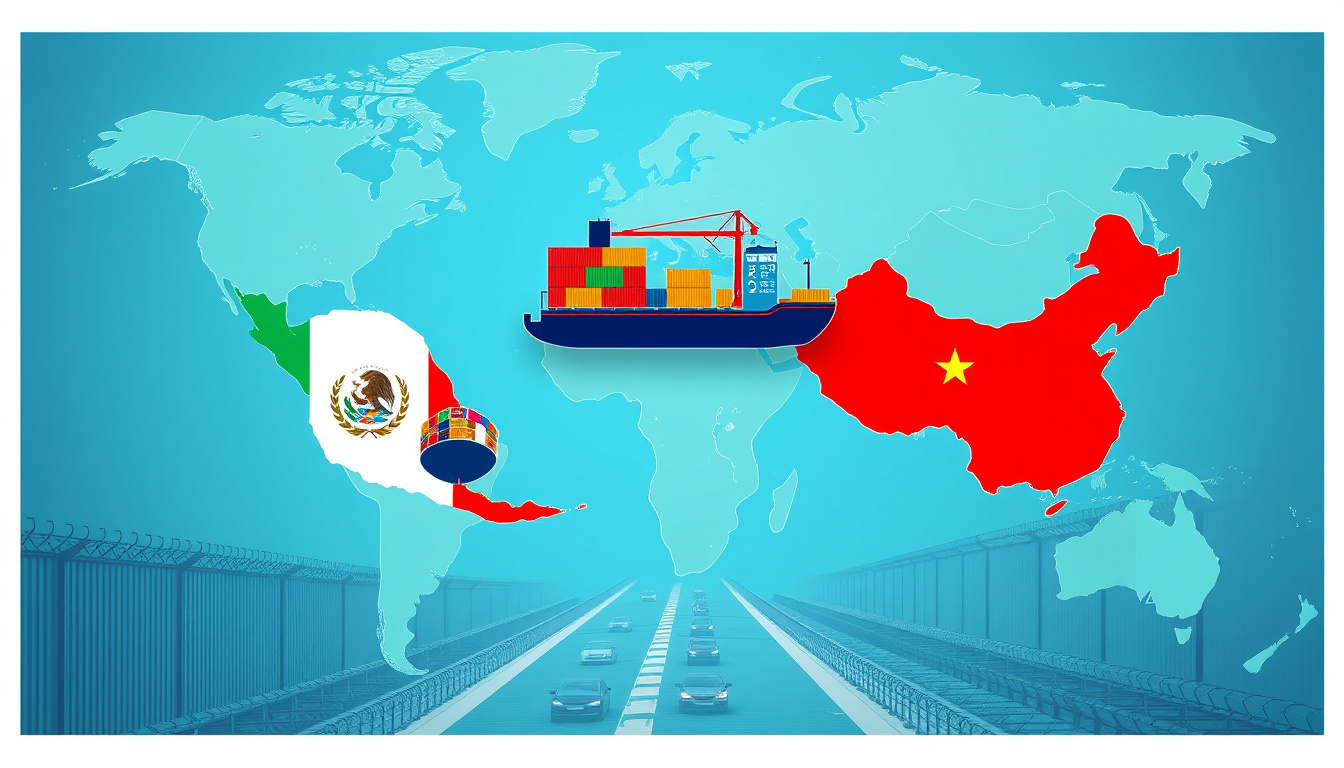
In a bold move recognized around the globe, President Donald Trump is doubling down on tariffs against Mexico, Canada, and China with a strategic focus on curbing fentanyl trafficking into the United States.
Announced by Commerce Secretary Howard Lutnick, this decision reflects a multifaceted approach to trade policy that intertwines economic considerations with serious public health concerns.
As tariffs on steel and aluminum imports loom, set to kick in on March 12, the implications of these trade barriers extend beyond mere economics, delving into the complex world of drug trafficking and international relations.
This article explores the rationale behind these tariffs and examines the potential economic repercussions, while also shedding light on regional responses that are evolving alongside national policies.
Key Takeaways
- Trump's tariffs are primarily aimed at deterring fentanyl trafficking from Mexico, Canada, and China.
- The ongoing tariffs may strengthen American industries by making foreign imports more expensive.
- Canada is adjusting its tariff landscape, including implementing its own taxes on U.S. exports to counteract American tariffs.
1. The Rationale Behind Tariffs: Combating Fentanyl Trafficking
In recent discussions surrounding trade policy, the rationale behind maintaining tariffs on nations like Mexico, Canada, and China has increasingly centered on combating the alarming rise of fentanyl trafficking into the United States.
On March 9, Commerce Secretary Howard Lutnick shed light on President Donald Trump’s likely decision to keep these tariffs in place, indicating that their removal would hinge on a significant reduction in the trafficking of this potent opioid.
Currently, a 25 percent tariff is set to be imposed on steel and aluminum imports starting March 12, a move that Lutnick asserts will not only deter cheap foreign imports but also bolster American manufacturing by making domestic products more competitive.
Although concerns have been raised about the potential for a recession sparked by these tariffs, Lutnick remains optimistic, suggesting that the net effect could favor U.S.
businesses.
Notably, while tariffs have resurfaced on goods from Mexico and Canada, a temporary reprieve has been granted to automakers complying with the recently negotiated United States-Mexico-Canada Agreement (USMCA).
Canada is also recalibrating its approach, ensuring that approximately $30 billion in tariffs remain while delaying an additional $125 billion until early April.
Furthermore, provinces such as Ontario and British Columbia are innovating their own tariffs, exemplified by Ontario's introduction of a hefty 25 percent tax on electricity exports to the U.S., reflecting a dynamic and increasingly complex trade landscape.
2. Economic Implications and Regional Responses to Tariffs
The economic landscape surrounding tariffs is far from static, particularly as nations navigate the complexities of trade relations and domestic challenges.
In light of Secretary Lutnick’s announcements, businesses on both sides of the borders are adjusting their strategies in response to fixed and variable tariff structures.
While these tariffs are chiefly aimed at mitigating the flow of fentanyl and similar illicit substances, American manufacturers could see potential benefits as competitiveness in the market is enhanced; domestic production may receive a boost as cheaper foreign alternatives become less accessible due to increased costs.
Canadian provinces, for their part, are proactively responding to U.S.
policies, crafting their own tariff systems to protect local industries while maintaining a balance in trade flows.
This ongoing tug-of-war not only characterizes the current U.S.-Canada-Mexico trade relations but also highlights the need for continual adaptation by businesses aiming to remain viable in the face of evolving economic regulations.