UK to Abolish Non-Crime Hate Incidents: A Move Towards Freedom of Speech and Common Sense
December 28, 2025
In a groundbreaking decision, the United Kingdom is moving towards the abolition of Non-Crime Hate Incidents (NCHIs), a controversial framework that many argue has curtailed freedom of speech and led to unnecessary scrutiny of individuals based on their opinions.
As the police leadership prepares to present a new plan next month to the Home Secretary, it highlights a significant shift towards a more rational approach to policing, aiming to prioritize real threats while stepping back from the overreach that characterized the management of NCHIs.
This article delves into the implications of this decision, the historical context of NCHIs, and how this transition could reshape the landscape of free expression in the UK.
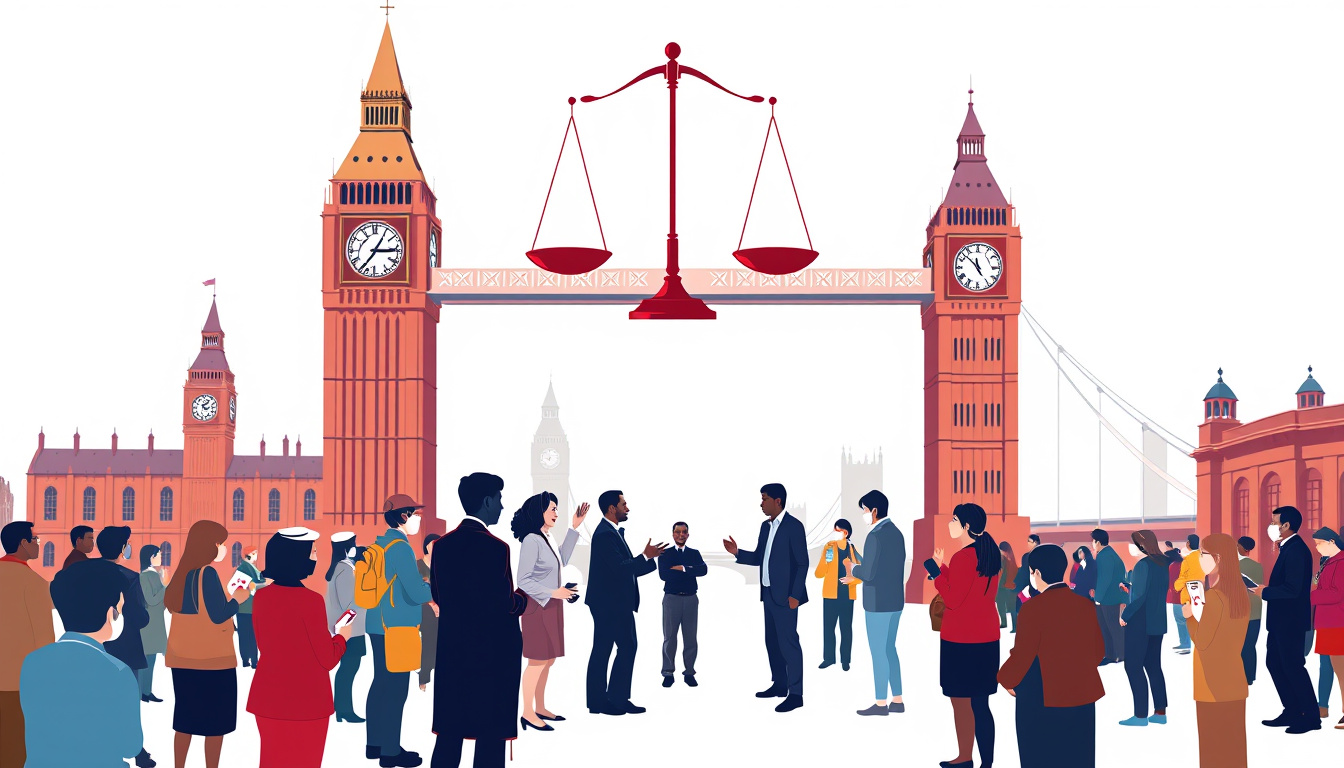
Key Takeaways
- The UK plans to abolish Non-Crime Hate Incidents to better protect freedom of speech.
- The new guidelines will classify NCHIs as intelligence reports rather than keeping them on criminal records.
- Police leadership acknowledges that monitoring NCHIs has detracted from addressing significant anti-social behavior.
The Impact of Non-Crime Hate Incidents on Free Speech
In a significant move aimed at reinforcing freedom of speech, the UK government is poised to abolish Non-Crime Hate Incidents (NCHIs) nationwide, following extensive discussions among police leadership.
This pivotal decision, which is set to be articulated in plans presented to the Home Secretary next month, is framed within a broader shift towards a more pragmatic and 'common sense' approach to policing free speech.
Currently, NCHIs are recorded indefinitely by police forces despite being categorized as incidents not constituting a criminal act; they are perceived as driven by hostility or prejudice.
This classification has raised eyebrows as it poses potential risks to individuals’ future opportunities, particularly in the realm of employment, as these records can adversely affect background checks for job applications.
The call to eliminate NCHIs gained momentum amid controversies surrounding their implications for free speech, notably exemplified by the case of activist Graham Linehan, which illuminated the challenges of policing online discourse.
Critics have argued that the current framework leads to excessive scrutiny of social media exchanges, burdening law enforcement while diverting attention from more pressing anti-social behaviors.
The proposed new guidelines will not only abolish the indefinite recording of NCHIs but will also reclassify these incidents as intelligence reports, thereby reducing their potential negative impact.
Originally instituted in 2005 following the tragic murder of Stephen Lawrence, police guidance on NCHIs was aimed at addressing hate crimes more robustly.
However, as societal dynamics evolve, it has become clear that a reevaluation of these practices is necessary to strike an appropriate balance between protecting individuals from hate and safeguarding the fundamental right to free expression.
With this upcoming policy change, the UK is making a statement that prioritizes common sense over bureaucratic red tape, creating a safer environment for constructive discourse.
The Shift Towards a Common Sense Approach in Policing
This shift away from the non-crime hate incident framework reflects a growing recognition among law enforcement that policing should focus on tangible threats to public safety rather than subjective interpretations of speech.
The public backlash against the cumulative burden of NCHIs, which appeared to police benign social interactions and dissenting opinions, has prompted a reevaluation of how law enforcement engages with the complexities of modern communication.
As social media conversations often blur the lines between genuine discourse and hostility, police resources became increasingly consumed by monitoring these communications, detracting from essential duties related to actual crimes.
By distinguishing between truly harmful anti-social behavior and protected speech, the UK police aim to prioritize their resources more effectively while protecting citizens' rights.
This policy reform is a significant step in fostering an environment where robust debate and differing viewpoints are encouraged, ultimately strengthening, rather than stifling, democratic discourse.