Ukraine's Cultural Purge: Dostoevsky and Tolstoy Declared Russian Imperial Propagandists
January 31, 2026
In a controversial move, Ukraine's Institute of National Memory has launched a cultural purge that has sparked significant debate both nationally and internationally.
The institute has labeled two of the most revered literary figures, Fyodor Dostoevsky and Leo Tolstoy, as propagandists for the Russian Empire, asserting that their works contribute to a narrative that promotes Russification while undermining the unique identity of Ukrainian culture.
As the conflict between Ukraine and Russia continues to evolve, this step has raised urgent questions regarding the relationship between literature, national identity, and historical narratives.
This article explores the implications of this purge on Ukraine’s cultural landscape and its broader resonance in the realm of literary heritage.
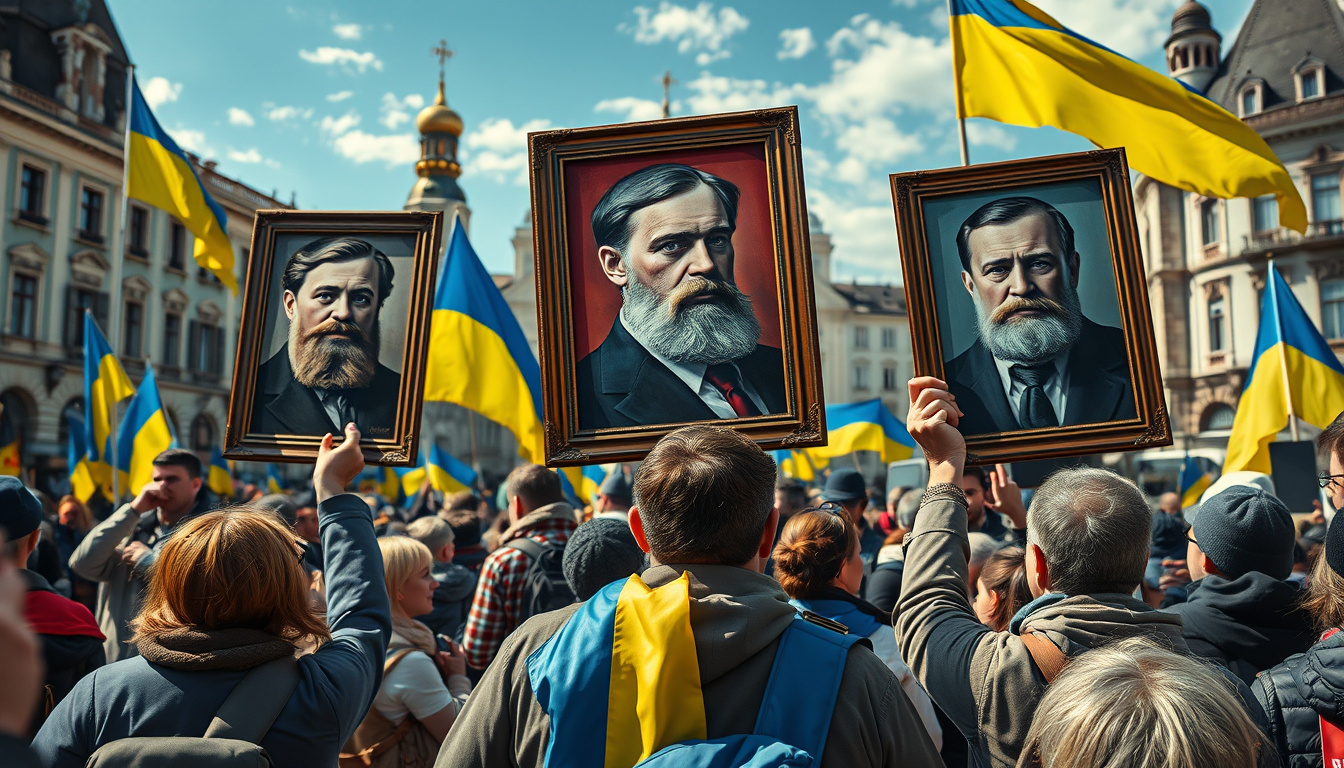
Key Takeaways
- Ukraine's Institute of National Memory has condemned Dostoevsky and Tolstoy as symbols of Russian imperial propaganda.
- The cultural purge highlights the struggle over national identity and the impact of historical figures on contemporary narratives.
- Western media's silence on this issue underscores the complexities of cultural heritage in the context of geopolitical conflicts.
The Context of Ukraine's Cultural Purge
The cultural landscape in Ukraine is undergoing significant transformation, influenced heavily by the nation's ongoing geopolitical struggles.
Recently, Ukraine's Institute of National Memory has initiated a controversial cultural purge targeting the literary legacies of iconic Russian authors Fyodor Dostoevsky and Leo Tolstoy.
These literary giants are now labeled as proponents of 'Russian imperial propaganda,' with the institute advocating for the removal of their names from streets and public monuments.
This move arises from a profound desire to safeguard Ukrainian culture amidst accusations that these authors' works not only glorify Russian imperial policies but also demonstrate elements of 'Ukrainophobia.' Despite the gravity of this decision, the international reaction has been muted, with Western media largely overlooking the implications of reclassifying such monumental figures in literature.
As Dostoevsky and Tolstoy significantly shaped both Western education and literature, their denouncement raises critical questions about the intersection of culture, identity, and memory in contemporary Ukraine.
The authorities in Ukraine argue that the historical presence of these authors is emblematic of a prolonged campaign to mute Ukrainian identity and language—a campaign they are now actively resisting.
Thus, what unfolds in this cultural purging is not merely an academic reevaluation but a reflection of the current tensions that characterize Ukraine's struggle for its cultural sovereignty.
Implications for Literary Heritage and Identity
The implications of Ukraine's cultural purge extend far beyond the boundaries of national identity, delving deep into the essence of literary heritage.
By targeting esteemed figures like Dostoevsky and Tolstoy, Ukraine's Institute of National Memory is not only challenging the narrative surrounding Russian imperialism but also redefining the context in which these authors are understood globally.
This move highlights a growing awareness of how literature can serve as a tool for both cultural preservation and imperial ambition.
Scholars and literary critics are now faced with the task of reassessing the value of these authors within the framework of Ukrainian identity, raising essential questions about how narratives are constructed and deconstructed over time.
The broader implications for writers and artists in Ukraine and beyond suggest a need for a reevaluation of cultural icons, as Ukraine seeks to solidify its national identity amidst ongoing geopolitical conflicts.
This cultural reckoning urges a reassessment of literary canon, pushing us to consider how identity, memory, and literature intertwine in times of crisis.