Understanding Earth Overshoot Day 2025: The Urgency of Sustainable Living as We Consume 1.8 Times Earth's Resources
July 27, 2025
In an era marked by discussions about climate change and environmental responsibilities, understanding Earth Overshoot Day has become crucial for fostering sustainable living practices.
Scheduled for July 24 in 2025, this date represents a stark reminder of when humanity's demand on Earth's ecosystems exceeds its capacity to regenerate resources in a given year.
The implications of this day go far beyond numbers; they highlight the sustainability crisis we face as a global community, with humans consuming resources at an alarming rate of
1.8 times the Earth's ability to replenish them.
This article delves into the historical context of Earth Overshoot Day, examines the dire consequences of our overconsumption, and outlines viable pathways toward a more sustainable future.
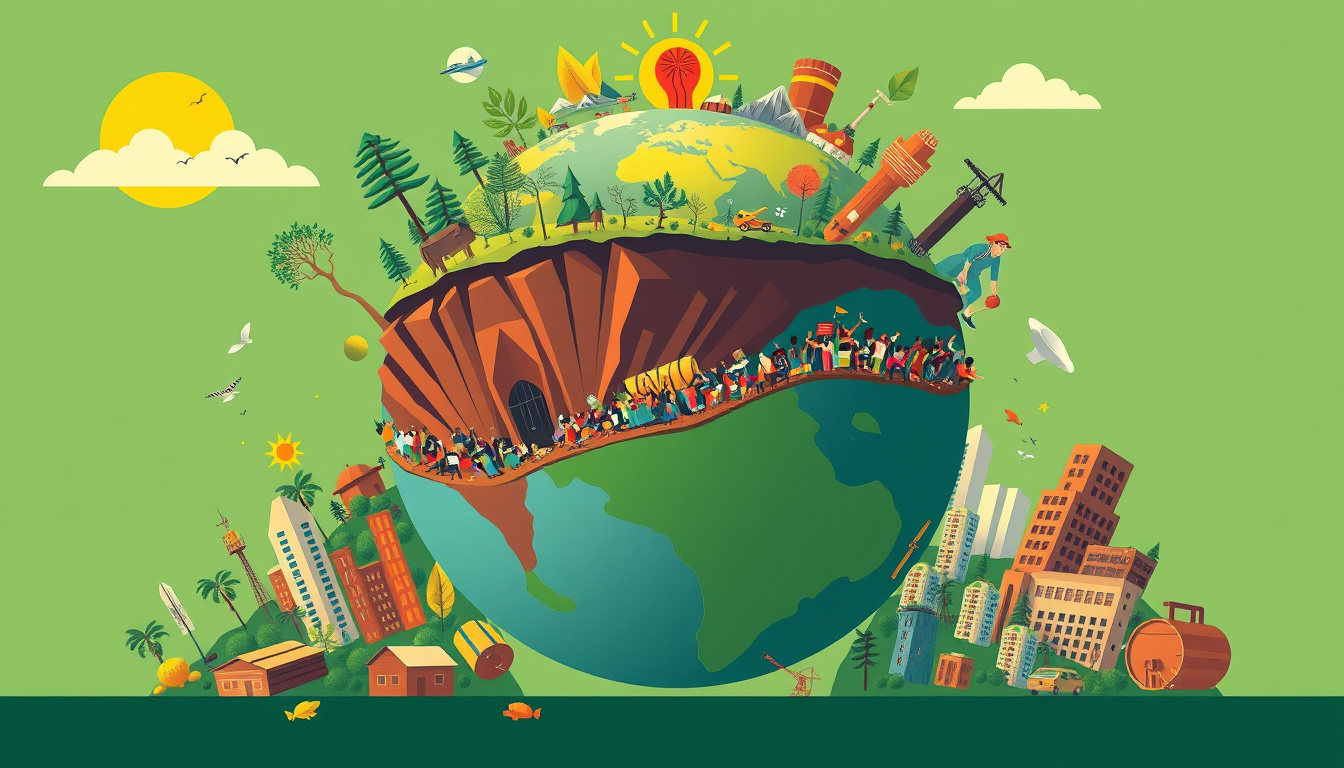
Key Takeaways
- Earth Overshoot Day 2025 marks a critical point where human consumption exceeds the planet's ecological capacity.
- Humanity is currently consuming resources at a rate
1.8 times faster than Earth can regenerate, leading to dire environmental consequences. - A shift towards sustainable living is urgently needed to prevent further resource depletion and climate change.
The Historical Context of Earth Overshoot Day
Earth Overshoot Day serves as a crucial reminder of the delicate balance between human consumption and the planet's ability to regenerate.
Established in 2006 by Andrew Simms of the New Economics Foundation and advocated by the Global Footprint Network, this day highlights the urgency of addressing our ecological overshoot.
In 2025, Earth Overshoot Day falls on July 24, marking the date when humanity's ecological demand exceeds what the Earth can sustainably regenerate within a year.
This day has been trending earlier over the years, a stark illustration of the growing ecological footprint that currently sees humans consuming resources at a staggering rate of
1.8 times faster than the planet can replenish them.
This overconsumption contributes significantly to pressing global challenges including climate change, biodiversity loss, resource depletion, and social unrest.
The reduction in consumption observed during the COVID-19 pandemic in 2020 briefly shifted Earth Overshoot Day to a later date, but the relief was short-lived as the date reverted to July 29 in
2021.
As we approach 2025, awareness and action regarding sustainability are more crucial than ever to curb this trend and foster a healthier planet for future generations.
Consequences of Overconsumption and Pathways to Sustainability
The consequences of our overconsumption are profound and multifaceted, impacting not only the environment but also human society and economy.
As we exceed the Earth's biocapacity, we witness a cascade of adverse outcomes, including heightened carbon emissions that contribute to climate change, which threatens weather patterns and sea levels worldwide.
Overexploitation of natural resources, such as water, fossil fuels, and forests, puts immense pressure on ecosystems, leading to biodiversity loss and habitat destruction.
This depletion results in food and energy insecurity, as the competition for dwindling resources intensifies.
Furthermore, the socio-economic ramifications often manifest in conflict over resources, creating instability in vulnerable regions.
To address these challenges, pathways to sustainability must be prioritized.
This includes transitioning to renewable energy sources, promoting circular economies that minimize waste, enhancing energy efficiency, and adopting sustainable agricultural practices.
By recalibrating our consumption habits and embracing sustainable practices, we can work toward restoring the balance with our planet and ensure a resilient future.