U.S. Coast Guard Monitors Russian Military Ship Near Hawaii Amid Rising Tensions
November 15, 2025
In a notable event highlighting the growing tensions between the U.S.
and Russia, the U.S.
Coast Guard is currently monitoring the presence of the Russian military ship, Kareliya, in international waters approximately 15 miles south of Oahu, Hawaii.
This military maneuver, detected on October 29, has sparked significant interest and concern regarding maritime security in the region.
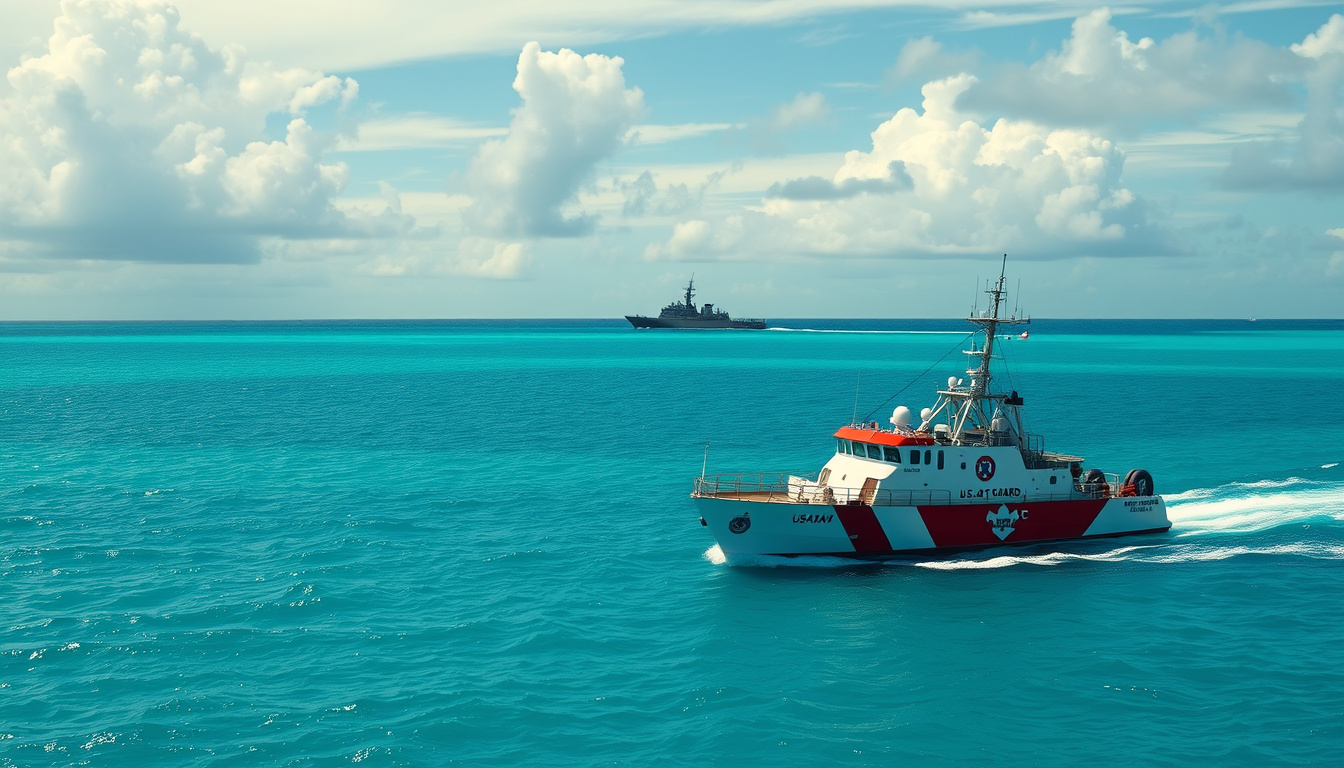
With the Coast Guard deploying aircraft and the cutter William Hart to keep an eye on the vessel and its activities, this situation underscores the complexities of U.S.-Russia relations and the broader implications for national and regional security.
As President Trump expresses frustration over the lack of resolution in the Russia-Ukraine conflict and responses escalate—including a decision to resume nuclear weapons testing by the Pentagon—understanding the context and significance of the Kareliya's surveillance becomes crucial.
Key Takeaways
- The U.S. Coast Guard is actively monitoring the Russian military ship, Kareliya, off the coast of Hawaii to ensure maritime security.
- This surveillance is part of increased tensions between the U.S. and Russia amid concerns over global conflicts and military activities.
- Recent developments include President Trump's order to the Pentagon to resume nuclear weapons testing in response to Russia's military actions.
Overview of the Russian Military Presence Near Hawaii
The presence of the Russian military ship, the Kareliya, detected near Hawaii has raised significant concerns regarding national security and international relations.
On October 29, the U.S.
Coast Guard confirmed that it was actively monitoring this vessel, which was located in international waters about 15 miles south of Oahu.
This strategic surveillance effort involved Coast Guard aircraft and the cutter William Hart, aimed at ensuring maritime security and upholding U.S.
homeland defense initiatives.
According to international law, foreign military vessels can operate in international waters beyond 12 nautical miles from shores, which the Kareliya was adhering to.
However, the ship's proximity to Hawaii comes at a time of escalating tensions between the U.S.
and Russia, compounded by recent comments from President Trump, who expressed dissatisfaction over the pace of developments in the Russia-Ukraine situation.
Adding to the urgency, the detection of the Kareliya coincided with reports of Russia planning a nuclear-powered missile test.
In response, President Trump directed the Pentagon to prepare for the resumption of nuclear weapons testing, yet clarified that these operations would not involve actual detonations.
The implications of such military movements and tests underscore the complex geopolitical climate both countries navigate, further emphasizing the importance of vigilant maritime monitoring.
Implications for U.S.-Russia Relations and Maritime Security
The monitoring of the Kareliya highlights not only the immediate U.S.
maritime security response but also the broader implications for U.S.-Russia relations.
As the two nations grapple with issues ranging from military posturing to diplomatic negotiations, the presence of a Russian naval vessel in proximity to U.S.
shores serves as a stark reminder of the delicate balance of power in the Pacific region.
The strategic surveillance efforts by the Coast Guard, while compliant with international maritime law, may also signal a renewed focus on maintaining clarity and transparency in military activities, particularly in light of heightened tensions surrounding arms capabilities.
Furthermore, the coinciding announcement of missile tests by Russia introduces an additional layer of complexity, as it may compel the U.S.
to reassess its defense strategies and diplomatic approaches toward Russia.
With the geopolitical landscape constantly evolving, careful attention to maritime security and the potential ramifications of military movements will remain critical components of U.S.
defense policy and international relations.