US Navy P-8A Poseidon Flies Over Taiwan Strait: A Strategic Signal Amidst US-China Tensions
March 15, 2026
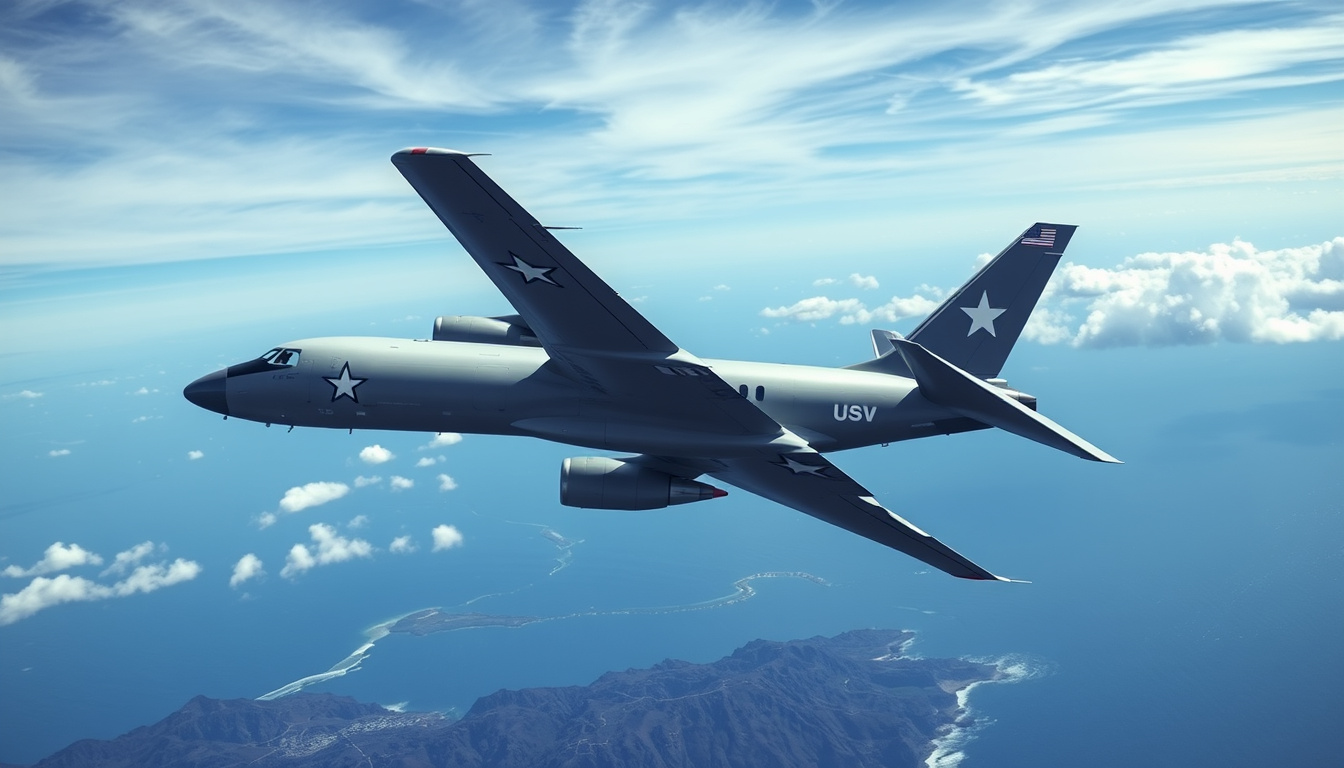
The recent flight of a US Navy P-8A Poseidon aircraft over the Taiwan Strait has stirred up considerable attention and debate within the realm of international relations.
As tensions between the United States and China continue to escalate, this aircraft deployment is not merely a routine military operation; it serves as a significant signal of the US's commitment to maintaining a free and open Indo-Pacific region.
With critical diplomatic discussions on the horizon—namely, a trade summit between President Donald Trump and Chinese President Xi Jinping—this incident sheds light on the volatile geopolitical landscape and the complexities of US-China relations.
In this article, we will delve deeper into the implications of the P-8A flight, analyze its impact on US-China dynamics, and explore the broader context of regional stability amid ongoing tensions.
Key Takeaways
- The US Navy's P-8A Poseidon flight over the Taiwan Strait signals commitment to a free Indo-Pacific amidst US-China tensions.
- China's monitoring of the US aircraft highlights escalating military and diplomatic tensions as major summits approach.
- US military activities, particularly regarding Iran, complicate its strategic responses to potential aggression from China towards Taiwan.
Geopolitical Context of the P-8A Flight
The geopolitical landscape surrounding the deployment of the P-8A Poseidon aircraft over the Taiwan Strait is emblematic of the escalating tensions between the United States and China, particularly in light of the complex dynamics associated with Iran and regional security.
The US Navy's decision to conduct this flight—strategically timed just weeks prior to an anticipated summit between President Donald Trump and Chinese President Xi Jinping—serves multiple purposes.
Firstly, it signals the US's unwavering commitment to ensuring a free and open Indo-Pacific region while demonstrating military readiness amidst rising concerns over China's assertiveness in both the Taiwan Strait and the broader South China Sea.
Moreover, this flight occurs against the backdrop of growing frustration within China regarding US engagement—or lack thereof—on pressing diplomatic issues, including trade negotiations and sanctions impacting Iranian oil imports.
Such actions by the US not only serve to reinforce its presence in the region but also raise pertinent questions about the potential ramifications for stability in Asia, particularly if tensions escalate over Taiwan.
The balancing act for the US in this context is challenging; as it continues military operations in the Middle East, it risks stretching its resources thin should a crisis arise in the Indo-Pacific.
Implications for US-China Relations and Regional Stability
The implications of the recent US Navy P-8A Poseidon flight over the Taiwan Strait extend far beyond mere military maneuvers; they highlight the intricate web of US-China relations and the delicate balance of regional stability in the Indo-Pacific.
As the US showcases its military presence, it aims to reassure allies in the region while simultaneously sending a cautionary message to China regarding its ambitions.
This act of conducting a surveillance flight during a period of heightened tension underscores the anxieties surrounding not only Taiwan but also the broader implications of China's growing assertiveness in contested waters.
For China, monitoring the US aircraft is a clear indicator of its strategic calculations, as it prepares to respond to potential US interventions that disrupt its regional aspirations.
The upcoming summit between Trump and Xi presents an opportunity for dialogue, yet the underlying frustration stemming from economic sanctions and the handling of trade negotiations may overshadow collaborative efforts, leaving both nations at a crossroads that could define the future of their bilateral ties.