US Turns to Ukraine for Drone Defense: A Complex Alliance in the Face of Iranian Aggression
March 7, 2026
In the face of escalating tensions in the Gulf region, the United States has turned to an unlikely partner—Ukraine—in a bid to bolster its defense capabilities against Iranian drone threats.
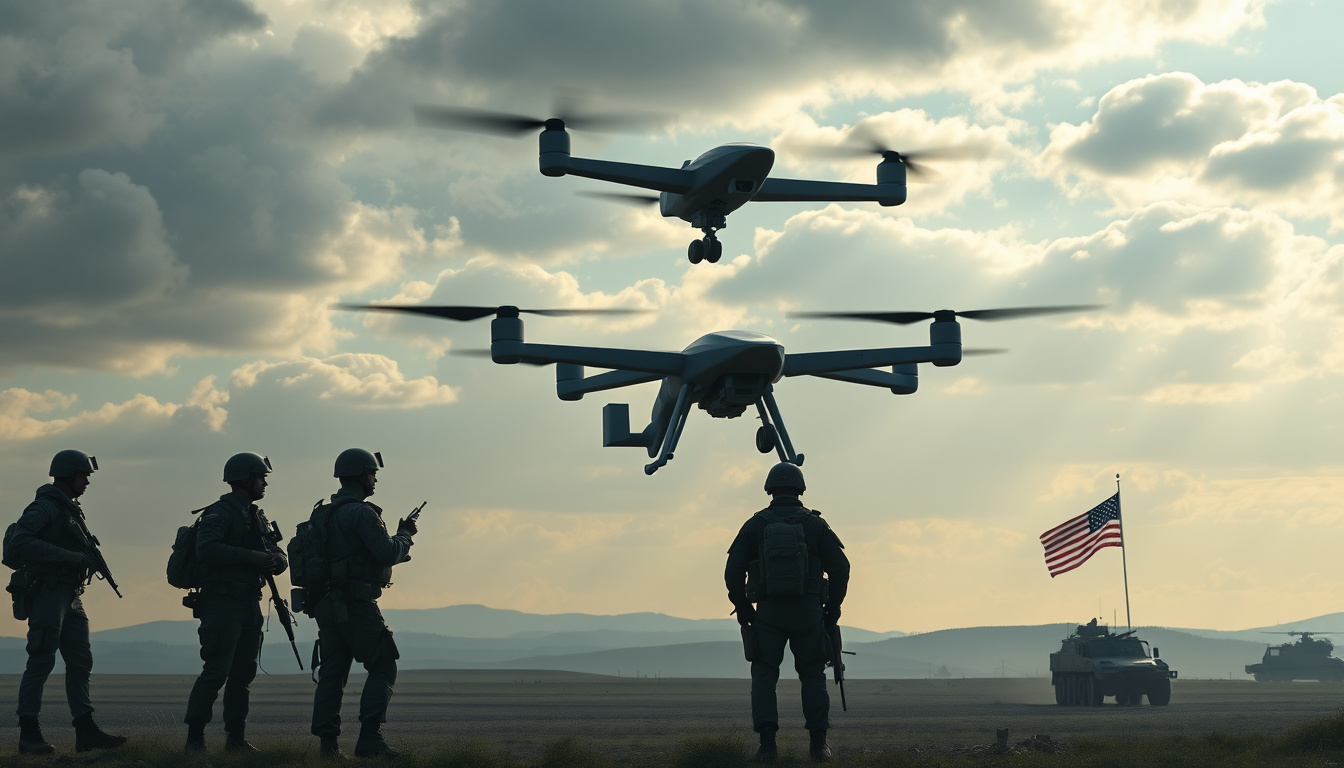
Recent reports from the Financial Times shed light on this developing partnership, where US officials are considering the acquisition of Ukrainian-made drone interceptors.
This shift comes at a time when traditional defense systems, such as the Patriot missile system, are proving costly and in short supply, particularly as Iranian drone and missile strikes on US allies continue to rise.
This article aims to explore the strategic rationale behind this alliance, while also delving into the intricate balancing act that Ukraine faces in protecting its own borders amid ongoing conflict.
Key Takeaways
- The US is considering Ukrainian drone interceptors as a cost-effective solution against Iranian threats.
- Ukraine's experience with aerial threats positions it as a valuable partner for US defense needs.
- President Zelensky emphasizes the importance of prioritizing Ukraine's own defense amidst potential military exports.
The Strategic Need for Ukrainian Drone Interceptors
## The Strategic Need for Ukrainian Drone Interceptors In an unexpected turn of events, the US has turned to Ukraine for assistance in intercepting Iranian Shahed drones targeting Gulf nations, as reported by the Financial Times.
U.S.
officials are considering the procurement of Ukrainian-made drone interceptors, which present a cost-effective alternative compared to the Patriot missile defense systems that can exceed $4 million each, coupled with high operational costs.
With supplies of Patriot systems running low and expenses burgeoning amid ongoing Iranian pushes against US allies in the Gulf, Ukraine's extensive experience in countering Russian aerial threats emerges as a crucial asset.
However, any export of Ukraine's defense capabilities would require governmental authorization, as the nation remains focused on fortifying its defenses amidst its own confrontation with Russia.
President Zelensky recognized the delicate balance, stressing the importance of ensuring that any cooperative efforts do not jeopardize Ukraine’s self-defense priorities.
The Gulf region has experienced a troubling surge in Iranian hostilities, leading countries such as Saudi Arabia, Qatar, the UAE, and Bahrain to enhance their missile and drone interception strategies.
This ironic twist in international military assistance not only underscores the unpredictable nature of global geopolitics but also sparks commentary on social media regarding the new dynamics of armament collaboration between Ukraine and the US.
As the situation unfolds, the interplay of defense strategies highlights a significant shift in military assistance narratives, reflecting the complexities and paradoxes inherent in contemporary international relations.
Balancing Defense Needs: Ukraine's Dilemma in Exporting Military Technology
The ongoing conflict between Ukraine and Russia has placed tremendous pressure on Ukraine's military resources and strategic decision-making.
As Ukraine finds itself in a situation where its defense needs are paramount, the proposition to export military technology, particularly drone interceptors, to the United States introduces a challenging dilemma.
Despite the potential for economic benefits and strengthening alliances, Ukraine must carefully weigh the implications of sharing critical defense technology during a time of war.
President Zelensky has articulated the need for caution, emphasizing that cooperation and support for Gulf nations should not compromise Ukraine's defense capabilities.
The demand for effective countermeasures against Iranian drone threats in the Gulf may present a strategic temptation, yet Ukraine’s priority remains securing its own territory and safeguarding its sovereignty against ongoing aggression.
The geopolitical landscape is evolving, and with it comes the challenge of balancing national security interests with international partnerships.