USS Gerald R. Ford: A Game Changer in Naval Energy Supply and Sustainability
May 29, 2026
In a bold stride towards energy innovation, the USS Gerald R.
Ford, the U.S.
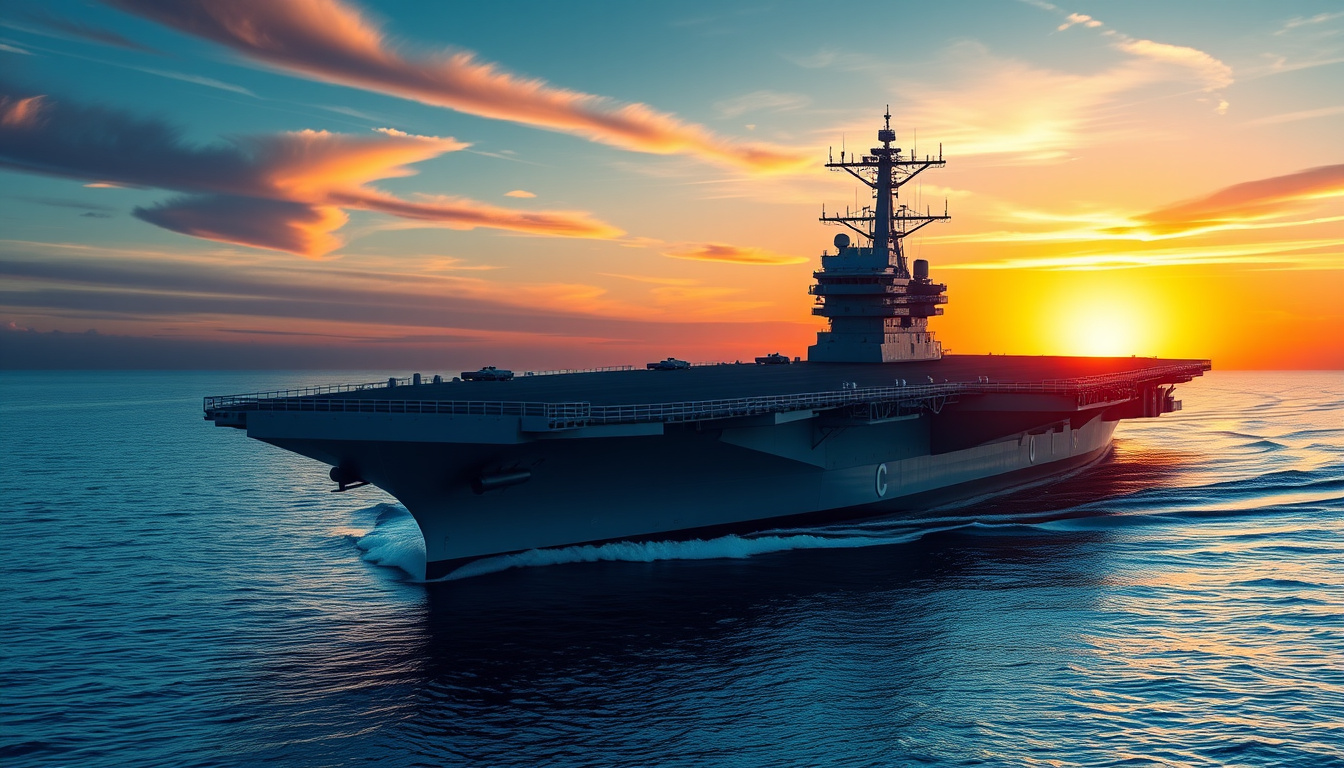
Navy's latest nuclear-powered aircraft carrier, is set to revolutionize naval energy supply and sustainability.
This summer, the carrier will begin providing electricity to Naval Station Norfolk, the largest naval base in the world.
This ambitious initiative was confirmed by Acting Secretary of the Navy, Hung Cao, during a recent House Armed Services Committee hearing, signaling a transformative approach to utilizing naval assets for energy provision.
Equipped with advanced A1B reactors that boast enhanced efficiency, the USS Gerald R.
Ford will potentially operate as a vital backup power source during emergencies and play a role in producing potable water in drought-stricken areas.
As we delve into the implications of this groundbreaking initiative, we will explore the historical context, current advancements, and future outlook for nuclear power in military operations.
Key Takeaways
- The USS Gerald R. Ford will provide vital electricity to Naval Station Norfolk, marking a significant advancement in naval energy supply.
- Innovations in the carrier's A1B reactors will enhance energy efficiency and support emergency power generation capabilities.
- The proposed pilot program for Navy reactors seeks to integrate nuclear energy into military infrastructure, increasing overall energy resilience.
The USS Gerald R. Ford: Pioneering Naval Energy Solutions
The USS Gerald R.
Ford, the latest class of nuclear-powered aircraft carriers, is set to make waves beyond traditional naval warfare by providing electricity to Naval Station Norfolk, the world’s largest naval base, later this summer.
Announced by Acting Secretary of the Navy, Hung Cao, during a recent House Armed Services Committee hearing, this groundbreaking initiative aims to harness the carrier's advanced capabilities for energy provision, thereby enhancing mission assurance for naval operations.
The carrier’s A1B reactors promise greater efficiency compared to older models, allowing the USS Gerald R.
Ford to export surplus power effectively.
This test not only positions the carrier as a vital backup power generator during emergencies but also holds the potential to assist in producing potable water in drought-stricken areas.
Historically, the concept of floating nuclear power sources has been explored since the 1970s but struggled to materialize in the U.S.
due to regulatory hurdles.
Meanwhile, Russia’s Akademik Lomonosov has successfully been supplying energy to remote Arctic locations since 2019, while similar European initiatives remain largely theoretical.
Additionally, Admiral Daryl Caudle’s proposed pilot program aims to deploy Navy reactors – akin to the Army’s Janus initiative targeting microreactors at military bases by the late 2020s – reinforcing the military’s strategy for integrating nuclear energy into its operations, thereby bolstering energy resilience and operational readiness.
The Future of Nuclear Power in Military Operations
The integration of nuclear power into military operations marks a significant evolution in how the armed forces approach energy resilience and operational independence.
The USS Gerald R.
Ford serves as a pioneering model in this initiative, showcasing the dual-use capability of modern naval technology.
By tapping into its A1B reactors not just for propulsion but for supplying electrical power to Naval Station Norfolk, the Navy is exploring a versatile use of its assets, transforming them into mobile power generators.
This innovative approach addresses critical needs in both defensive capabilities and humanitarian efforts, such as providing electricity during disaster response situations or supporting drought relief by aiding in potable water production.
The ongoing discussions surrounding floating nuclear technology highlight the potential future direction of energy in military strategies, suggesting that the military's role in energy provision may extend beyond traditional confines, enhancing not just readiness in combat situations, but also contributing significantly to energy sustainability.