Why America Lags Behind in AI Enthusiasm: A Global Comparison of Attitudes Toward Artificial Intelligence
May 23, 2025
In recent years, artificial intelligence (AI) has emerged as a transformative force across various industries, offering tools and applications that enhance efficiency and productivity.
However, despite its rapid advancements and global proliferation, a recent Statista survey reveals a surprising trend: only 22% of Americans express enjoyment in utilizing AI tools like ChatGPT in their daily routines.
This starkly contrasts with countries like India, where nearly half the population embraces AI enthusiastically, and China, where a significant portion of respondents also report satisfaction with AI technologies.
The divergence in attitudes raises important questions about what influences AI adoption and enthusiasm in these varying landscapes.
In this article, we will delve into the current sentiments surrounding AI in the U.S.
compared to other nations, explore the factors contributing to these differences, and consider the future prospects of AI acceptance worldwide.
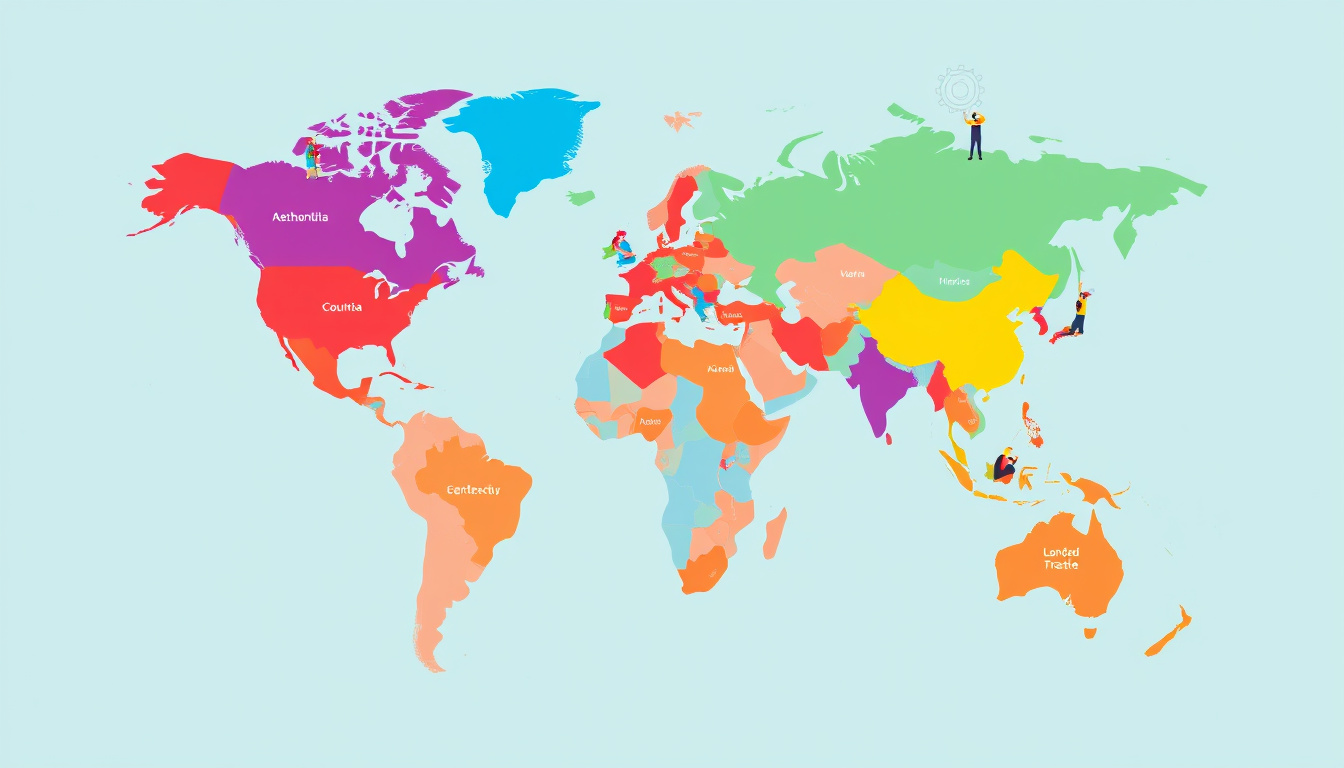
Key Takeaways
- Only 22% of Americans enjoy using AI tools like ChatGPT, indicating low enthusiasm compared to other countries.
- India leads with about 50% of respondents expressing enjoyment of AI, showcasing a stark contrast to American sentiment.
- Asia shows a higher familiarity and positive sentiment toward AI, particularly in countries like China and Indonesia.
Current AI Sentiment in the U.S. vs. Global Perspectives
The current sentiment around artificial intelligence (AI) reveals stark contrasts between the U.S.
and other countries, highlighting a fascinating divergence in perceptions and acceptance of this transformative technology.
A recent survey conducted by Statista uncovered that only 22% of Americans express enjoyment in utilizing AI tools such as ChatGPT in their daily lives, placing the U.S.
on the lower end of the global scale regarding enthusiasm for AI.
In marked contrast, India leads with around 50% of respondents enjoying their interactions with AI, showcasing a burgeoning acceptance of technology among its population.
Additionally, reports from countries like China and Spain indicate that more than one-third of their individuals report satisfaction with AI tools, reflecting a more positive sentiment compared to the U.S.
Japan appears to have the least enthusiasm for AI, with only 10% of respondents expressing excitement, while Italy stands slightly higher at 20%.
Supporting these findings, data from Ipsos reveals that Asian countries exhibit significantly greater levels of familiarity and positive sentiment toward AI technologies.
For instance, China boasts the highest self-reported knowledge about AI, with 81% of participants indicating a strong awareness, closely followed by Indonesia at 80% and Thailand at 69%.
This trend demonstrates an increasing willingness among Asian nations to embrace AI in various applications, such as voice assistants, industrial robotics, and even autonomous driving.
Even though some regions, including the U.S.
and Japan, display lower popularity towards AI tools, the overall global revenues from the AI sector are projected to experience robust growth in the coming years.
This indicates that despite varying levels of acceptance and enthusiasm, AI continues to weave its way into the fabric of daily life across the globe, shaping the future of technology and innovation.
Factors Influencing AI Adoption and Enthusiasm
The disparity in AI adoption and enthusiasm can largely be attributed to cultural, economic, and educational factors.
In countries where there is a robust infrastructure for technology and digital literacy, such as India and China, the understanding and positive sentiment towards AI are significantly higher.
This contrasts sharply with areas where access to technology is less pervasive or where skepticism about technology's impact is more prevalent, such as in the U.S.
and Japan.
Moreover, media narratives, public policy, and educational initiatives directly influence how populations perceive and integrate these technologies.
For instance, countries like India are promoting education in STEM fields, which naturally fosters a generation more inclined to engage with and appreciate AI tools.
As nations continue to navigate these complexities, it will be crucial to develop tailored strategies that address the unique concerns and aspirations of their citizens regarding AI.